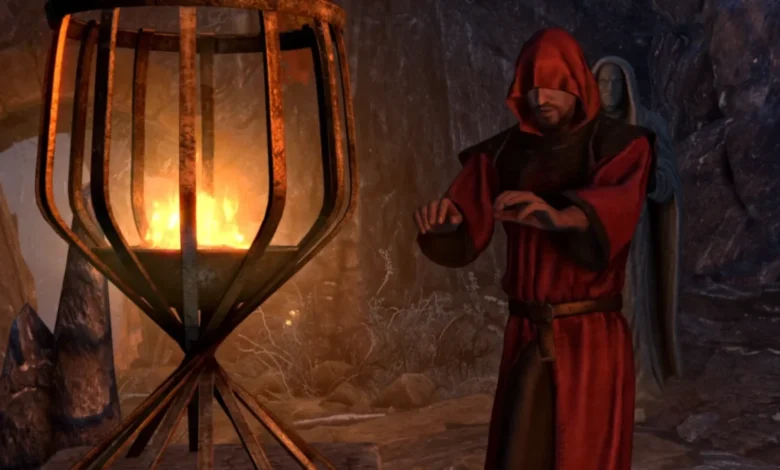
A Strategic Pivot Toward Outreach
In a recent update shared via the official Skyblivion Discord and cross-posted to social media platforms including Bluesky, the development team confirmed that they are actively expanding their communications department. The call for volunteers specifies a need for individuals with professional experience in video production, trailer editing, and social media management. The primary objective for these new recruits will be to handle the logistical and creative aspects of the project’s marketing, such as orchestrating developer interviews, capturing high-fidelity gameplay footage, and producing promotional content to coincide with the eventual launch.
This shift in focus—from pure development to community engagement and marketing—is widely viewed within the modding community as a definitive sign that the project has entered its "polishing" phase. By offloading these responsibilities to a dedicated media team, the core developers can theoretically maintain their focus on technical stability, bug squashing, and final asset implementation, which remain the most resource-intensive aspects of the mod.
The Long Road: A Brief Chronology of Development
The scale of Skyblivion is difficult to overstate. When it was first conceptualized in 2012, the intent was to bridge the gap between the dated mechanics of the 2006 classic and the modernized, more accessible engine of the 2011 hit. For over a decade, the project has been maintained entirely by volunteers, surviving on community donations and the dedication of hundreds of contributors who have contributed assets, voice acting, and scripting.
- 2012: Initial project conception and early development work begin shortly after the release of the Skyrim Creation Kit.
- 2016–2019: The project gains significant momentum as the team shifts to the Skyrim Special Edition engine, allowing for improved lighting, weather systems, and more stable performance.
- 2020–2023: Regular development diaries and "progress update" videos are released, showcasing the complete overhaul of Cyrodiil’s landscape, dungeons, and major cities.
- December 2025: A highly anticipated release window is officially pushed to 2026, marking a significant delay in the projected timeline.
- April 2026: Project lead Rebelzize addresses the community, expressing cautious optimism despite acknowledging the inherent risks of massive, volunteer-driven software projects.
- September 2026: The current recruitment drive for a communications team signals a renewed push toward a final release.
Technical and Creative Challenges
Recreating an entire game within the shell of another is a monumental task that involves more than just importing assets. The developers must rewrite quest logic, adapt the AI packages for NPCs, and re-implement the complex leveled list systems that defined Oblivion’s progression. Furthermore, the team has taken on the task of "remastering" assets rather than simply porting them, ensuring that the architecture, flora, and character models meet modern standards of graphical fidelity.
The technical hurdles are compounded by the nature of the volunteer workforce. Unlike a commercial studio, where project managers can enforce deadlines through contractual obligations, the Skyblivion team operates on a "when it’s done" philosophy. This has led to a protracted development cycle that has spanned three different console generations and various shifts in gaming technology.
Community Reactions and Stakeholder Impact
The response to the latest call for help has been largely positive, reflecting the immense goodwill the project has earned over the last 14 years. However, beneath the support lies a palpable sense of impatience. The modding community has seen many ambitious "total conversion" projects wither and die before completion, making Skyblivion a rare outlier in terms of its longevity and sustained output.
In June 2026, the team suffered a profound loss with the passing of Kettlewitch, a veteran modder and mentor to many on the team. This event served as a somber reminder of the human cost and the passage of time associated with such a long-term endeavor. The tribute paid by the team highlighted the close-knit nature of the group, underscoring that for many involved, Skyblivion is not just a project, but a community effort that has spanned a significant portion of their adult lives.
The Implication of the 2026 Deadline
With only a few months remaining in 2026, the pressure to deliver is mounting. From a production standpoint, the initiation of a major marketing recruitment campaign typically occurs in the final six to nine months of a project’s lifecycle. If the team follows a standard software development cadence, this move suggests that the core functional components of the game are nearing completion.
However, the history of the mod warns against over-optimism. As noted by the project leadership earlier this year, "shit hitting the fan" is a reality in hobbyist development. A delay into 2027 would not be fatal to the project, as the team has already proven its resilience, but it would undoubtedly lead to a decline in public momentum. For a project that has been in the public eye for over a decade, maintaining the interest of the gaming press and the general player base is essential for a successful launch.
Broader Context: The Legacy of Fan-Made Remakes
Skyblivion exists in a unique legal and creative space. While Bethesda Softworks has historically been permissive—and even supportive—of the modding community, the sheer scope of Skyblivion pushes the boundaries of what is expected from fan projects. If successful, it will stand as one of the most significant achievements in gaming history, effectively preserving a seminal RPG title for a new generation of players who may find the original game’s mechanics too archaic to navigate.
The implications for the broader industry are also significant. Projects like Skyblivion, Skywind (a similar project for Morrowind), and other large-scale remakes demonstrate that there is a massive, untapped audience for modernized versions of classic RPGs. These projects serve as a testament to the longevity of the Elder Scrolls franchise and the enduring power of community-driven development in an era where official remasters are often criticized for lack of ambition or excessive monetization.
As the team moves forward with its communications expansion, the eyes of the RPG community remain firmly fixed on the horizon. Whether it arrives in late 2026 or early 2027, the completion of Skyblivion will represent a watershed moment in the history of PC gaming, proving that with enough time, dedication, and collaborative spirit, the fans can indeed build the games they wish to play. For now, the recruitment of a new media team is the latest, and perhaps most definitive, chapter in this long, storied journey.