Marvel Studios Enforces Strict Narrative Continuity Between Preschool Hit Spidey and His Amazing Friends and the Marvel Cinematic Universe

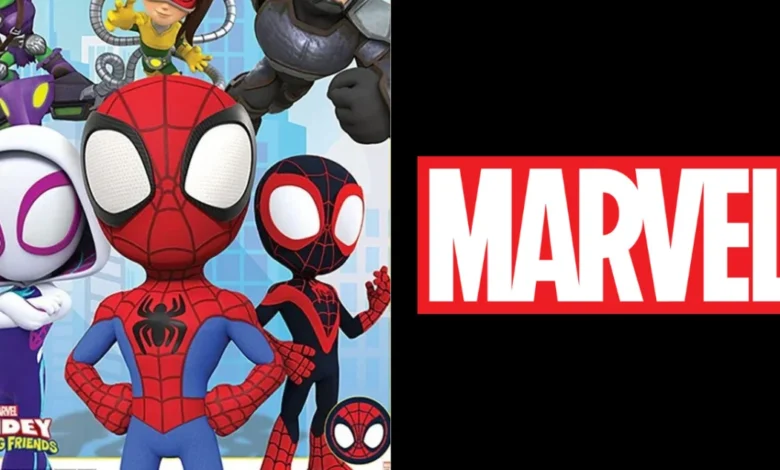
While the casual observer might view the Disney Junior series Spidey and His Amazing Friends as a standalone piece of children’s entertainment, recent disclosures suggest that the show occupies a unique, albeit subordinate, position within the broader Marvel intellectual property ecosystem. According to internal reports, Marvel Studios maintains an active, ongoing dialogue with the production team behind the animated series to ensure that its narrative arcs, character introductions, and thematic developments do not conflict with the expansive, multi-billion-dollar Marvel Cinematic Universe (MCU).
This level of inter-departmental oversight highlights the meticulous, often obsessive, management of the Marvel brand. As the studio prepares for the 2026 theatrical release of the next live-action Spider-Man installment, the importance of maintaining a cohesive "master plan" across all media—ranging from preschool animation to high-budget feature films—has become a cornerstone of Disney’s corporate strategy.
The Mechanism of Narrative Control
The revelation regarding this oversight stems from recent discussions surrounding the 100th episode of Spidey and His Amazing Friends. Sources close to the production indicate that Marvel Studios leadership implements a rigorous vetting process for the animated series. This process is designed to prevent "canon collisions," where a character or plot point introduced in the children’s show might inadvertently complicate or contradict the creative direction established for the live-action MCU.
Harrison Wilcox, a key creative figure associated with the project, confirmed that there is a top-down "master plan" governing these interactions. This communication is not merely an occasional courtesy; it is a structural necessity to ensure that the broader Marvel brand remains untarnished by internal contradictions. By aligning the narrative boundaries of the preschool show with the cinematic universe, Marvel is essentially protecting the "real estate" of its characters. This ensures that when a villain, a symbiote, or a specific variant of a hero is utilized in the animated space, it does not inadvertently "block" or diminish the impact of that same character’s potential debut or evolution within the MCU.
Historical Context and Brand Synergy
Marvel’s approach to brand management has evolved significantly since the inception of the MCU in 2008. In the early years, television divisions and film divisions often operated with a degree of independence, sometimes leading to friction in continuity. However, under the current leadership structure, there is an increased emphasis on horizontal integration.
Spidey and His Amazing Friends, which debuted in August 2021, has served as an essential gateway for the youngest demographic of fans. By utilizing the iconic iconography of Peter Parker, Miles Morales, and Gwen Stacy, the series builds brand loyalty long before children are introduced to the more mature, complex themes found in the MCU. This strategy follows the historical precedent set by successful franchises like Star Wars and DC Comics, where animated series serve as the "training wheels" for the wider fictional universe.
The success of the series—now having surpassed 100 episodes—proves that this demographic is not merely an afterthought but a primary market for long-term intellectual property cultivation. By ensuring that these young viewers are exposed to a version of Spider-Man that feels consistent with the "vibe" of the larger MCU, Marvel creates a seamless transition for fans as they age.
Analyzing the Impact on Narrative Availability
The most significant takeaway from this oversight policy is what it reveals about the MCU’s future development. In the world of entertainment law and intellectual property, when a character or narrative trope is "locked" in one medium, it is often restricted from appearing in another to prevent audience confusion.
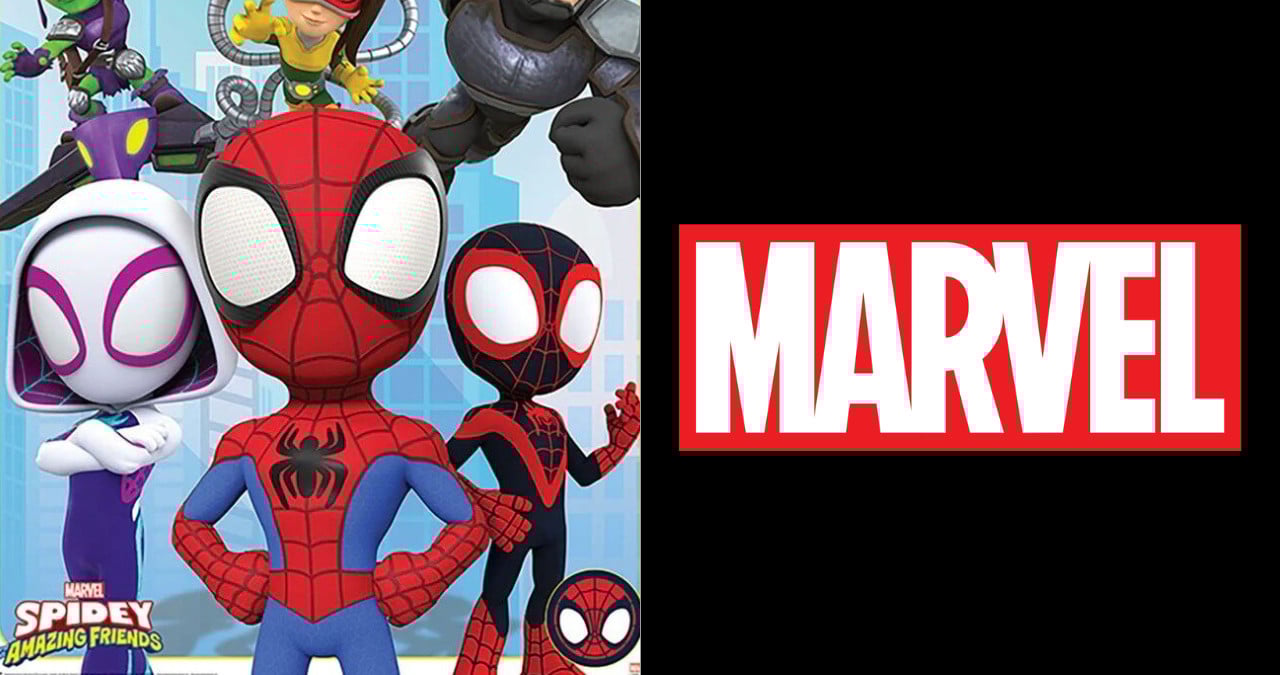
The recent introduction of the symbiote "Symbie" in the animated series serves as a prime case study. By introducing this character within the parameters of the preschool show, Marvel essentially creates a "narrative fence." If a character exists in the animated series, it is statistically unlikely that the MCU will pursue that same character in the near term. This suggests that the studio has a clear roadmap of what is "on the table" for live-action and what is "reserved" for secondary media.
Furthermore, the show’s inclusion of villains like a female iteration of Doctor Octopus and high-concept threats like Ultron provides a roadmap for what Marvel Studios may be avoiding in upcoming feature films. If these characters are currently being utilized in the animated space to tell definitive, self-contained stories, the creative teams behind the live-action films are likely focusing their efforts on alternative antagonists and multiversal threats to avoid narrative redundancy.
The Chronology of the Spider-Man Franchise
The trajectory of the Spider-Man brand has been defined by rapid expansion. Following the massive success of the Tom Holland-led Spider-Man trilogy, which concluded with Spider-Man: No Way Home in 2021, the studio has been careful to manage the character’s presence.
- 2021: Spidey and His Amazing Friends premieres, introducing a new generation to the brand.
- 2021: Spider-Man: No Way Home explores the multiverse, cementing the concept of "variants" in the public consciousness.
- 2024: Development of the next live-action Spider-Man project, Spider-Man: Brand New Day, begins to take shape amidst intense media scrutiny.
- 2025: Marvel Studios tightens inter-departmental communication to streamline the "master plan" for the Spider-Man IP.
- July 31, 2026: Spider-Man: Brand New Day is scheduled for theatrical release, marking the next major milestone in the MCU’s Spider-Man narrative.
This timeline demonstrates that while the animated show moves at a faster, episodic pace, the cinematic universe operates on a slower, high-stakes schedule. The "frequent check-ins" mentioned by the production team are the bridge between these two distinct speeds of storytelling.
Implications for the Future of the MCU
The decision to treat a children’s show as a piece of the larger MCU puzzle reflects a broader trend in Hollywood: the consolidation of massive, interconnected story universes. For the average viewer, this means that every piece of content bearing the Marvel logo is now subject to a rigorous vetting process that was previously reserved for feature films.
This strategy serves two primary purposes:
- Brand Cohesion: By ensuring that no story beats conflict, Marvel avoids the "continuity fatigue" that has plagued other competing franchises. It creates a sense of reliability; viewers know that regardless of the format, the core tenets of the characters will remain consistent.
- Resource Allocation: It allows Marvel to maximize its IP. If a character is deemed too niche for a $200 million film but is highly marketable for merchandising and streaming, the studio can effectively "park" that character in an animated series while maintaining the option to pivot if necessary.
Conclusion
The relationship between Spidey and His Amazing Friends and the Marvel Cinematic Universe is an instructive example of modern corporate strategy. It reveals that there is no such thing as a "small" project within the Marvel ecosystem. Every narrative decision is part of a calculated effort to maintain the integrity of a brand that spans multiple generations and mediums.
As fans eagerly await the July 2026 release of Spider-Man: Brand New Day, the knowledge that even the youngest viewers are participating in a narrative framework that is carefully aligned with the MCU serves as a testament to the scale of Marvel’s ambition. The "master plan" is not just about films; it is about creating a singular, unbreakable chain of storytelling that begins in the nursery and culminates in the theater, ensuring that the Spider-Man identity remains the most recognizable and consistent brand in global pop culture.
Related posts: