Masters of the Universe Live-Action Reboot Gains Momentum with Positive Trailer Reception Amidst Protracted Development Saga

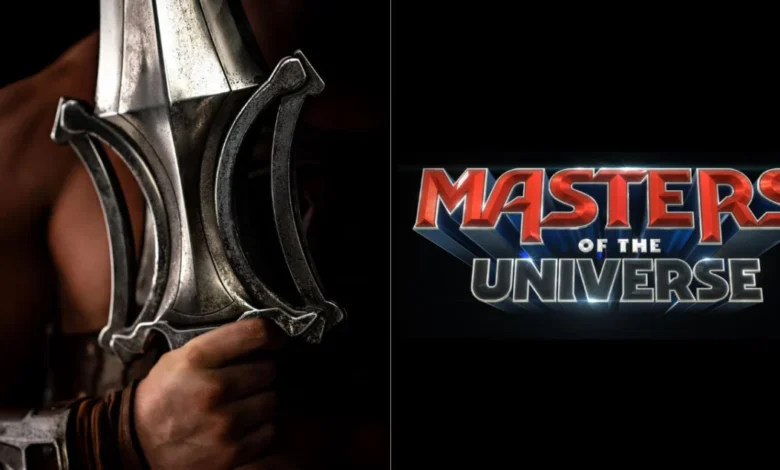
The long-awaited live-action adaptation of Masters of the Universe appears to be defying its turbulent production history, with the recent release of its second official trailer eliciting a surprisingly positive response from both long-time fans and prospective new audiences. This newfound optimism comes after years of uncertainty, studio shifts, and numerous creative changes that had many anticipating a disastrous outcome for the beloved franchise’s return to the big screen. Set to premiere on June 5, 2026, the film aims to reintroduce Prince Adam of Eternia and his powerful alter-ego, He-Man, to a new generation, while hopefully satisfying the enduring fanbase that has championed the property for decades.
The journey to bring He-Man back to live-action has been fraught with challenges, famously described as a "development inferno." For over half a decade, the project has languished in various stages of pre-production, bouncing between major Hollywood studios and undergoing multiple directorial and casting changes. This protracted period of instability naturally fostered skepticism among enthusiasts, who had witnessed similar struggles plague other high-profile reboots. The initial announcement of Jared Leto’s attachment to the iconic villain Skeletor, while providing a degree of star power, did little to quell anxieties, with many fans concerned about the overall tone and direction of the film.
However, the tide began to turn with the debut of the first official trailer. While not universally lauded, it was met with a sigh of relief rather than outright condemnation. Initial reactions often drew comparisons to the visually vibrant and humor-infused style of Marvel Studios’ Thor: Ragnarok, suggesting a deliberate tonal shift from the more serious or traditional fantasy interpretations. This stylistic choice, though divisive for some purists, signaled an attempt to modernize the franchise for contemporary audiences. The subsequent release of a second trailer has further solidified confidence, with many now expressing genuine excitement and belief that this iteration of Masters of the Universe could indeed be "worthy."
The Protracted Path to Eternia: A Development Chronology
The saga of a modern live-action Masters of the Universe film dates back to the early 2000s, but its most recent and tumultuous phase began around 2014. Initially, Sony Pictures held the rights, embarking on an ambitious but ultimately stalled journey. Over the years, a revolving door of creative talent became a hallmark of the project. Early in its Sony tenure, directors like Jon M. Chu (known for G.I. Joe: Retaliation) were attached, signaling an early intent for a visually spectacular action film. Chu’s vision eventually gave way to other names, including McG (of Terminator Salvation fame) and David S. Goyer, who penned an early draft of the screenplay before stepping down from directing duties.
Goyer’s script was reportedly well-received but the studio continued to search for the right directorial voice, leading to Aaron and Adam Nee being brought on board. During this period, various actors were rumored or briefly attached to the lead role of Prince Adam/He-Man. Kellan Lutz, known for his role in the Twilight saga, was an early fan-favorite pick and reportedly in contention. However, it was Noah Centineo, a rising star known for Netflix’s To All the Boys I’ve Loved Before, who eventually secured the role in 2019 under Sony. Centineo’s casting was a significant moment, generating considerable buzz, but his tenure was short-lived. Citing scheduling conflicts and creative differences, he departed the project in 2021, marking another major setback.
The financial strain of this prolonged development period was significant. Reports indicate that Sony expended millions of dollars on scripts, concept art, pre-visualization, and early casting efforts before ultimately divesting the rights. In a pivotal moment, Netflix acquired the Masters of the Universe live-action film rights from Sony in 2022. The streaming giant, known for its deep pockets and willingness to invest in large-scale genre projects, seemed like a natural fit. Under Netflix’s purview, Kyle Allen (from West Side Story) was cast as He-Man, replacing Centineo. This period also saw significant investment, with approximately $30 million reportedly sunk into development costs, further underscoring the complexity and expense of bringing this world to life. Despite these efforts, Netflix’s strategy began to shift, leading them to offload several high-budget projects.
In a dramatic turn in 2023, Netflix sold the Masters of the Universe film rights to Amazon MGM Studios. This move placed the project under the banner of another major streaming and studio entity, which has demonstrated a strong commitment to high-fantasy and genre content, notably with The Lord of the Rings: The Rings of Power. With Amazon MGM Studios taking the reins, the project found a new director in Travis Knight, acclaimed for his work on Bumblebee and Kubo and the Two Strings, signaling a potential focus on strong storytelling and visual effects. The crucial role of Prince Adam/He-Man was finally filled by Nicholas Galitzine, a rapidly ascending actor known for his roles in Red, White & Royal Blue and Bottoms. This latest iteration, under Amazon MGM, appears to have found its footing, culminating in the recent, more positively received trailer releases.
An All-Star Assembly for Eternia’s Fate
The current iteration of Masters of the Universe boasts an impressive ensemble cast, a testament to the enduring appeal of the property and Amazon MGM’s commitment to a high-caliber production. Leading the charge as the titular hero is Nicholas Galitzine, whose recent filmography has established him as a versatile talent capable of both dramatic depth and comedic timing. His casting as Prince Adam and He-Man suggests a fresh, perhaps more nuanced, take on the classic hero, blending the character’s earnestness with a modern sensibility.
Opposite Galitzine, Jared Leto assumes the role of Skeletor, He-Man’s arch-nemesis. Leto’s casting has been one of the most discussed aspects of the film’s development. Known for his intense, often method-acting approach to roles, his portrayal of the cackling, bone-faced sorcerer is highly anticipated. Fans are curious to see how his unique style will translate to a character as iconic and theatrical as Skeletor, potentially offering a darker, more complex villain than previous iterations.
The heroic roster is further bolstered by a diverse array of talent. Camila Mendes, widely recognized for her role in Riverdale, steps into the boots of Teela, the Captain of the Royal Guard and a formidable warrior in her own right. Her presence promises a strong, capable female lead, aligning with contemporary expectations for action-adventure narratives. Idris Elba, a veteran actor celebrated for his commanding presence and extensive work across genres, takes on the role of Man-at-Arms, the loyal and wise mentor to Prince Adam and master of technology. Elba’s gravitas and experience are expected to bring significant weight to the character, making him a reliable anchor for the heroic ensemble.

On the side of evil, Alison Brie, known for her versatile performances in comedies like Community and dramas like GLOW, is cast as Evil-Lyn, Skeletor’s cunning and powerful sorceress second-in-command. Brie’s ability to blend wit with menace could provide a multifaceted portrayal of the villainess. Rounding out the key mystical figures is Morena Baccarin, a familiar face in the sci-fi and fantasy realms from her roles in Firefly and Deadpool, who will embody The Sorceress, the mystical guardian of Castle Grayskull and source of He-Man’s power. Her experience with otherworldly characters makes her an ideal choice for this pivotal role. The presence of such acclaimed actors across the spectrum underscores the studio’s ambition to create a cinematic event rather than just a simple reboot.
Trailer Triumphs: A Shift in Fan Sentiment
The journey from widespread trepidation to cautious optimism for the Masters of the Universe film is largely attributable to the strategic release and content of its promotional trailers. The first trailer, following years of deafening silence and negative production news, was met with intense scrutiny. Audiences dissected every frame, searching for clues about the film’s tone, visual fidelity, and adherence to the spirit of the original material. The immediate comparison to Thor: Ragnarok was telling; it suggested a film that embraces vibrant, somewhat exaggerated aesthetics and a degree of self-aware humor, moving away from the more earnest or overtly serious fantasy elements often associated with the 1980s cartoon. While this tonal choice sparked debate among purists, many acknowledged that the trailer avoided the "dumpster fire" scenario some had feared, indicating a baseline level of competency and entertainment value. Visuals of Eternia and Castle Grayskull, along with glimpses of He-Man in action, showed promise, hinting at a large-scale, effects-driven spectacle.
The subsequent release of the second trailer proved to be a more decisive turning point. This trailer reportedly delved deeper into the narrative, offering clearer insights into the plot, character dynamics, and the overall scope of the conflict between He-Man and Skeletor. Specific elements that likely contributed to the heightened positive reception include more expansive views of Eternia’s landscapes, detailed character designs that blended classic aesthetics with modern interpretations, and perhaps more engaging action sequences that showcased He-Man’s power and the villainy of Skeletor. The second trailer’s ability to convey a sense of adventure, combined with a seemingly well-balanced blend of action, humor, and reverence for the source material, appears to have significantly swayed public opinion. This incremental build-up of positive sentiment is crucial for a project that has faced such a challenging pre-release period, turning initial skepticism into genuine anticipation.
The Enduring Legacy of Grayskull: Previous Adaptations and Modern Expectations
The Masters of the Universe franchise holds a significant place in pop culture history, largely due to its origins as a toy line by Mattel in the early 1980s, which quickly spawned a highly successful animated series, He-Man and the Masters of the Universe (1983-1985). This cartoon, produced by Filmation, introduced millions to Prince Adam, Cringer, Teela, Man-at-Arms, Orko, and the sinister Skeletor, establishing core mythology centered around heroism, magic, and the eternal struggle between good and evil on the planet Eternia. Its influence extended beyond children’s entertainment, becoming a cultural touchstone for a generation.
The first live-action attempt to bring He-Man to the big screen was the 1987 film, also titled Masters of the Universe, starring Dolph Lundgren as He-Man and Frank Langella as Skeletor. Directed by Gary Goddard, the film famously relocated much of the action from Eternia to Earth due to budget constraints, a creative decision that alienated some fans. While not a commercial or critical success upon its release, it has since garnered a cult following, particularly for Langella’s committed performance as Skeletor and its unique blend of fantasy and 80s action aesthetics. Courteney Cox also appeared in one of her early roles. This new Amazon MGM production, being the second live-action feature film, inherently carries the weight of this legacy, facing the challenge of both acknowledging its predecessors and charting a new path.
Beyond the 1987 film, the Masters of the Universe brand has seen several animated revivals. The New Adventures of He-Man (1990-1991) attempted to modernize the franchise with a sci-fi twist, while He-Man and the Masters of the Universe (2002-2004) offered a more serious, action-oriented reboot that was well-received by fans. More recently, Netflix has been instrumental in keeping the brand alive with two distinct animated series: Masters of the Universe: Revelation (2021-2024), a direct sequel to the 1980s cartoon aimed at original fans, and He-Man and the Masters of the Universe (2021-2022), a CGI-animated series targeting a younger audience. These recent animated endeavors have maintained the franchise’s relevance and diversified its appeal, but they also highlight the delicate balance required to satisfy both nostalgic adults and new, younger viewers with a live-action adaptation. The new film must navigate these varied expectations, aiming for a broad appeal without sacrificing the core elements that define Masters of the Universe.
Broader Implications and Market Positioning
The successful realization of a Masters of the Universe live-action film holds significant implications for Amazon MGM Studios and the broader entertainment landscape. In an era dominated by intellectual property mining and the revitalization of nostalgic franchises, Masters of the Universe represents a valuable, yet challenging, asset. Its successful launch could solidify Amazon MGM’s position as a major player in the blockbuster fantasy genre, complementing its investment in properties like The Lord of the Rings. The reported high development costs, reaching tens of millions of dollars before even principal photography, underscore the financial commitment and the high stakes involved. A strong box office performance and positive critical reception could pave the way for a new cinematic universe, potentially spawning sequels, spin-offs, and further leveraging the extensive lore of Eternia.
Conversely, a misstep could add Masters of the Universe to the growing list of beloved franchises that struggled to translate successfully to modern live-action. The film’s performance will be closely watched by industry analysts as a case study in managing long-gestating projects and rebooting culturally significant but dormant IPs. For Mattel, the original creators, a successful film could trigger a significant resurgence in toy sales and merchandise, much like what occurred with the Barbie movie.
Culturally, He-Man and the Masters of the Universe represent classic themes of heroism, destiny, and the fight against tyranny. The challenge for the new film is to update these themes for a contemporary audience, potentially exploring deeper character motivations, more complex ethical dilemmas, and diverse representations, while retaining the inherent fun and escapism of the original. The early comparisons to Thor: Ragnarok suggest a tonal choice that prioritizes entertainment and perhaps a lighter touch, aiming to capture the spirit of grand adventure without veering into overly grim territory. As the June 5, 2026 release date approaches, all eyes will be on Eternia to see if He-Man can indeed harness the power of Grayskull to conquer its cinematic destiny.
Related posts: