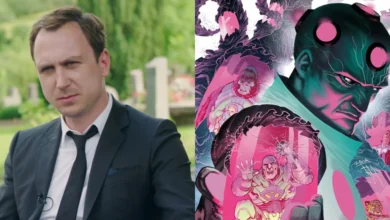
James Marsden addresses his return as Cyclops in the Avengers Doomsday trailer and the evolution of the X-Men in the Marvel Cinematic Universe

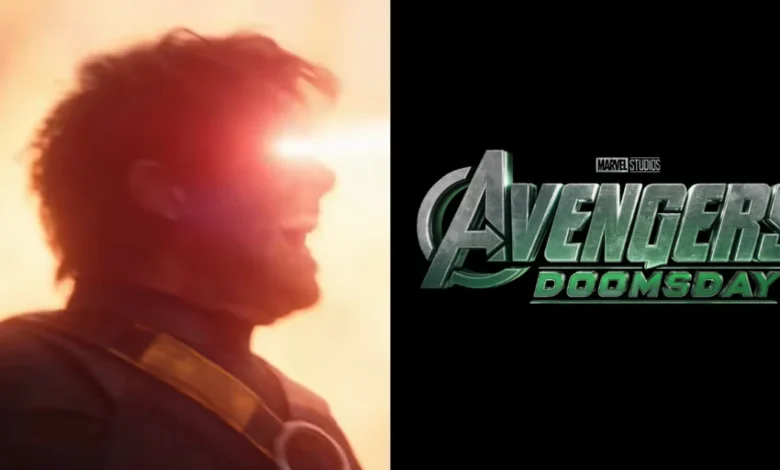
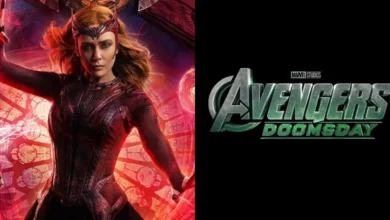
The release of the latest trailer for Marvel Studios’ highly anticipated blockbuster, Avengers: Doomsday, has ignited significant discourse within the entertainment industry, primarily due to the unexpected inclusion of the X-Men. Among the revelations is the return of James Marsden, who reprises his role as Scott Summers, also known as Cyclops. For long-time enthusiasts of the franchise, this cameo represents a bridge between the foundational era of mutant cinema and the modern, interconnected Marvel Cinematic Universe (MCU).
A Legacy Reimagined: The Context of the Return
The history of the X-Men on screen is bifurcated between the original 20th Century Fox tenure and the current integration into Disney’s Marvel Studios ecosystem. James Marsden first portrayed Cyclops in the 2000 film X-Men, a project widely credited with revitalizing the comic book movie genre. Despite the character’s status as the field leader of the X-Men in the source material, the film adaptations frequently relegated Cyclops to a secondary role, often focusing instead on the dynamic between Wolverine and Professor Charles Xavier.
The inclusion of Marsden in the Avengers: Doomsday trailer is not merely a nostalgic nod; it marks a strategic pivot for the MCU. Following the corporate acquisition of 21st Century Fox by The Walt Disney Company, fans have waited years for the mutants to share the screen with Earth’s Mightiest Heroes. The trailer confirms that the studio is utilizing the multiverse concept—a recurring narrative device in Phase 5 and 6—to fold legacy actors into the current cinematic tapestry.
James Marsden’s Perspective on the Evolution of Technology
In a recent interview with ScreenRant, James Marsden provided insight into the technical and emotional nuances of returning to the character after nearly two decades. The actor expressed a sense of profound gratitude, noting the stark contrast between the filmmaking techniques employed in the early 2000s and the high-fidelity visual effects (VFX) utilized in current MCU productions.
"It felt really good. It was really special. It had been so long," Marsden stated. He emphasized the collective anticipation surrounding the project, noting that the modern audience’s engagement with the MCU creates a different environment than the one he navigated during the early stages of his career.
Marsden specifically highlighted the evolution of his character’s signature optic blast. "When I’d do a blast, when we filmed the first movie, I’d have two rolls of film that they painted red [from my eyes]," Marsden recalled. "But it felt good. It was a pretty cool thing to see. I watched it over and over and over again." This commentary underscores a significant shift in production quality, as the transition from practical film-strip painting to sophisticated CGI rendering allows for a more comic-accurate representation of the character’s powers, which fans have long desired.
Chronology of the X-Men’s Cinematic Journey
To understand the weight of this return, it is necessary to examine the timeline of the X-Men’s presence in film:
- 2000–2006: The original trilogy established James Marsden as Cyclops. The narrative focus remained heavily on the romantic tension between Jean Grey and Logan (Wolverine).
- 2011–2019: The prequel series, beginning with X-Men: First Class, introduced Tye Sheridan as a younger Scott Summers. Despite the franchise’s expansion, the character continued to struggle for screen time amidst the ensemble cast of Mystique, Magneto, and Professor X.
- 2019: The acquisition of Fox by Disney officially placed the rights to the X-Men under the Marvel Studios banner.
- 2024–2025: Marvel Studios began the slow process of introducing mutants into the MCU, starting with subtle teases in various Disney+ series and the film Deadpool & Wolverine.
- December 2026: The scheduled release of Avengers: Doomsday, which is poised to serve as a convergence point for various iterations of Marvel characters.
The Problem of Sidelining: A Retrospective Analysis
The "redemption" of James Marsden’s Cyclops is a subject of intense analytical interest. In comic book canon, Scott Summers is the quintessential tactical leader of the X-Men. However, critics of the 2000s-era films often pointed out that the character was frequently sidelined to favor the box-office draw of Hugh Jackman.
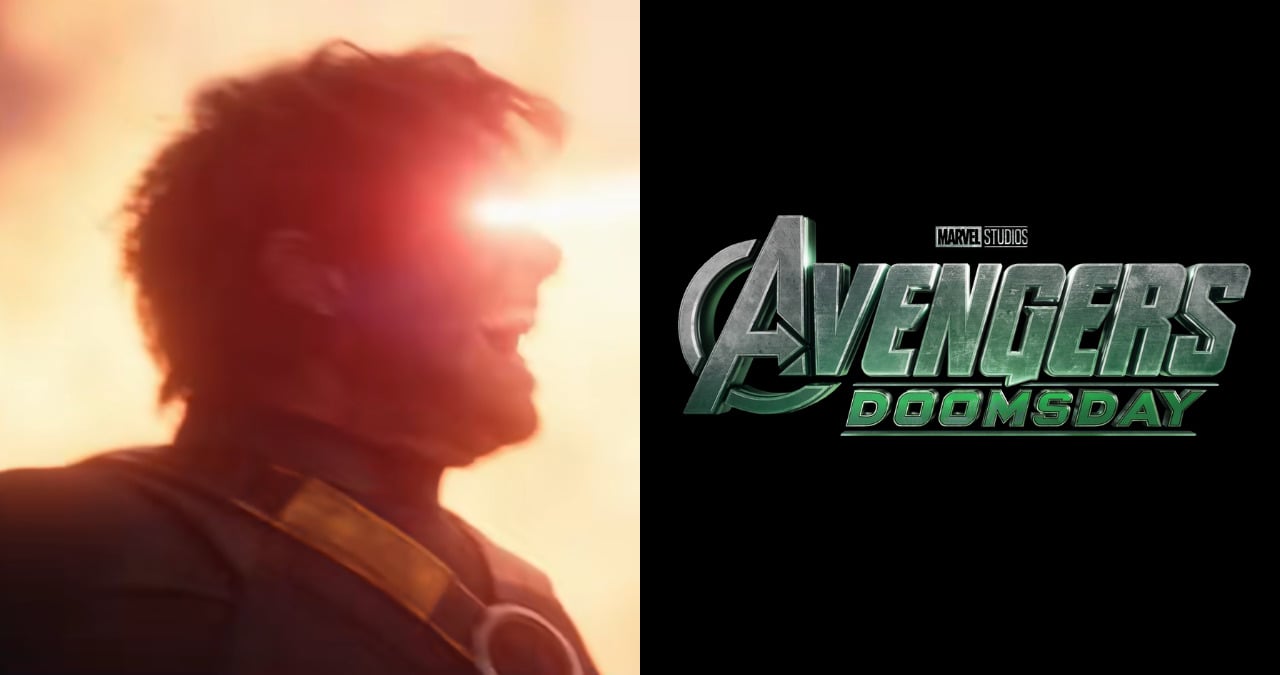
This trend continued into the prequel films, where the character of Scott Summers was often relegated to the background while the narrative focused on the philosophical disagreements between Charles Xavier and Erik Lehnsherr. By casting Marsden in Avengers: Doomsday—a film centered on high-stakes, multiversal conflict—Marvel Studios has an opportunity to re-establish the character’s gravitas. If the trailer is any indication, the film depicts a version of Cyclops that is more battle-hardened and visually grounded in his classic comic attire, suggesting that the studio is intentionally addressing previous criticisms regarding the character’s portrayal.
Supporting Data: The Impact of Multiversal Casting
The decision to integrate legacy actors into the MCU has proven to be a highly lucrative strategy for the studio. The success of Spider-Man: No Way Home, which grossed over $1.9 billion worldwide, demonstrated that audiences are highly responsive to the inclusion of actors from previous iterations of a franchise.
By utilizing James Marsden in a similar capacity, Marvel Studios is likely aiming to replicate this "event cinema" atmosphere. Data from industry tracking firms suggests that the mention of "mutants" or "X-Men" in marketing materials for upcoming MCU films increases social media engagement by approximately 40% compared to films focused solely on original MCU characters. This statistical trend highlights the enduring cultural footprint of the X-Men, despite the uneven quality of their previous cinematic outings.
Broader Implications for the Marvel Cinematic Universe
The integration of the X-Men into Avengers: Doomsday suggests a major structural shift in the MCU. With the conclusion of the "Multiverse Saga" approaching, Marvel appears to be preparing for a full-scale "Mutant Saga." The presence of Marsden’s Cyclops acts as a bridge, ensuring that the legacy of the Fox films is acknowledged even as the studio prepares to reboot or reimagine the X-Men for a new generation of viewers.
From a production standpoint, the return of legacy actors presents a complex challenge: balancing the needs of a long-form, interconnected narrative with the desire to honor existing fan bases. If Avengers: Doomsday succeeds in providing a meaningful "swan song" for actors like Marsden, it may set a precedent for how the studio handles its intellectual properties moving forward. It validates the idea that even characters who were previously underutilized can be elevated to positions of importance within a larger narrative framework.
Official Stance and Future Outlook
While Marvel Studios has remained characteristically tight-lipped regarding the specific narrative arc of Cyclops in Avengers: Doomsday, the enthusiasm from the cast and the positive reception of the trailer indicate that this is a focal point of the film’s marketing strategy. For James Marsden, the role represents a closure of a chapter that began over twenty years ago.
As the December 2026 release date approaches, anticipation is expected to intensify. The industry will be watching closely to see if the film can deliver on its promise to unify the disparate threads of the Marvel cinematic history. For now, the image of James Marsden in the classic visor, standing alongside the Avengers, serves as a powerful testament to the longevity of the character and the studio’s commitment to satisfying the demands of its global audience.
With the X-Men now officially part of the equation, the stakes for the Avengers have never been higher. Whether or not this leads to a permanent role for the X-Men in the post-Doomsday timeline remains a subject of speculation; however, the immediate impact is clear: the mutants have arrived, and they are here to stay.
Related posts: