Supergirl: New Trailer Offers Fresh Look at Milly Alcock’s DC Universe Debut Amidst Production Uncertainty

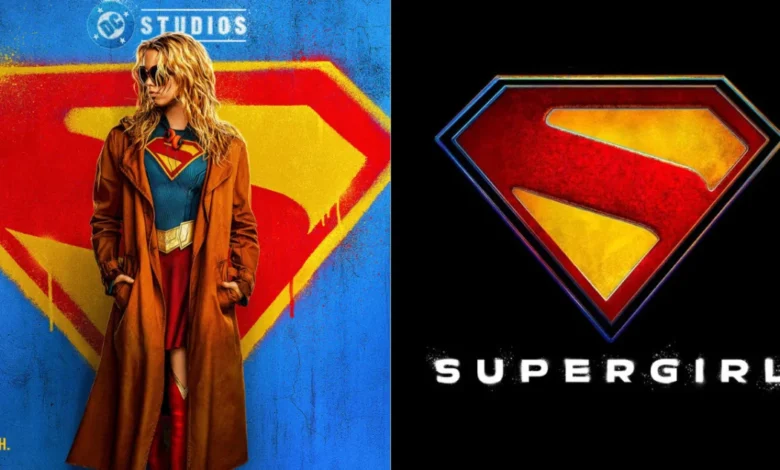
The DC Universe is facing a pivotal moment in its cinematic expansion as the marketing campaign for the upcoming Supergirl film enters a critical phase. With the release of a new trailer, DC Studios is attempting to pivot the narrative surrounding the project, which has been subject to intense scrutiny following mixed reactions to initial promotional material. As Milly Alcock prepares to step into the role of Kara Zor-El, the "Woman of Tomorrow," the industry is watching closely to see if this latest glimpse into the film’s tone can reconcile the expectations of a demanding fanbase with the creative vision established by DC Studios co-heads James Gunn and Peter Safran.
Chronology of the Supergirl Marketing Cycle
The path to the June 26, 2026, release date for Supergirl has been marked by a fluctuating public reception. The project was officially confirmed as part of the initial "Chapter One: Gods and Monsters" slate announced by James Gunn and Peter Safran in January 2023. The film is intended to be a cornerstone of the new DC Universe (DCU) continuity, following the events of the upcoming Superman film.
The promotional journey began in earnest late last year with the release of the first official teaser. While the casting of Milly Alcock—widely lauded for her breakout performance in House of the Dragon—was met with near-universal approval, the visual aesthetic of the footage drew criticism. Fans pointed to a perceived lack of color and a somber, muted tone that stood in stark contrast to the vibrant, celestial visuals of Tom King’s acclaimed Supergirl: Woman of Tomorrow comic book series, which serves as the primary inspiration for the film.
Following the initial trailer, reports from early test screenings began to circulate. While these reports are anecdotal and subject to the secrecy inherent in the studio system, the general consensus among industry insiders suggested that while Alcock’s performance remained the film’s strongest asset, the surrounding narrative structure and aesthetic choices required further refinement. This feedback loop has placed additional pressure on the studio to deliver a marketing campaign that effectively showcases the film’s strengths while tempering concerns regarding its visual identity.
Analyzing the New Footage and Studio Strategy
The most recent trailer release marks a strategic attempt to address these earlier critiques. The footage emphasizes a more nuanced emotional arc for Kara Zor-El, highlighting the "punk rock" sensibilities of the character as she navigates her identity far from the shadow of her cousin, Kal-El. By focusing on the internal conflict and the distinct, gritty atmosphere of the story, DC Studios appears to be leaning into the "Woman of Tomorrow" character study rather than positioning the film as a standard superhero origin story.
Technically, the trailer displays a clearer color palette than its predecessor, incorporating brighter contrasts in the space-faring sequences and the alien environments Kara inhabits. This shift likely reflects the post-production adjustments mentioned in reports regarding test screenings. For a film of this scale, such adjustments are standard; however, in the age of high-speed social media discourse, these iterations are often played out in the public eye, creating a unique challenge for the studio’s public relations team.
The Role of James Gunn and DC Studios
James Gunn has been a constant presence in the promotion of the film, frequently using social media platforms to release official posters and offer direct context to the fanbase. This hands-on approach is emblematic of the new DC Studios philosophy, which prioritizes direct communication to manage expectations.
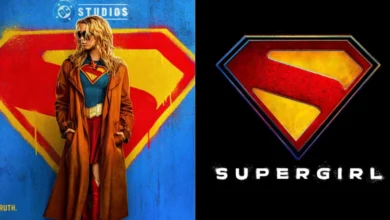
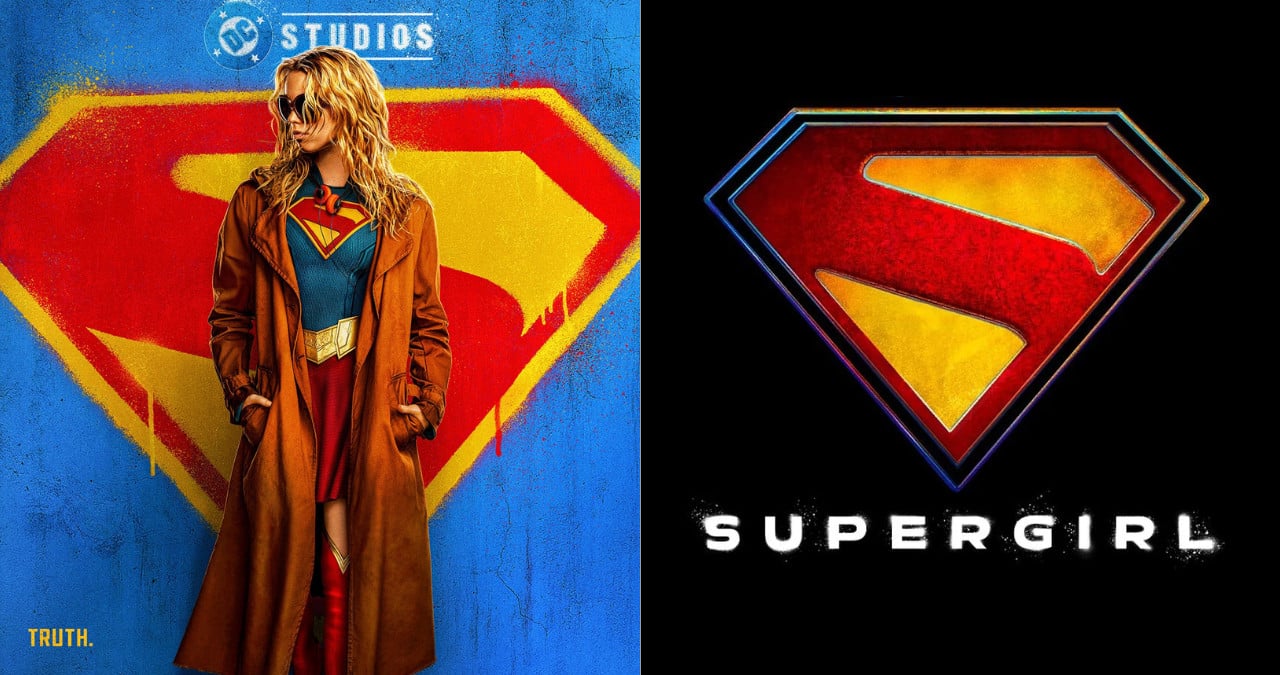
By sharing the latest poster—which features a bold, minimalist aesthetic that mirrors the source material’s artistic style—Gunn is attempting to reinforce the link between the film and the beloved comic book run. This is a tactical maneuver designed to reassure fans that the creative team is committed to the core spirit of the source material. For the DC Universe, the success of Supergirl is paramount; it is one of the first major test cases for the brand’s rebooted continuity. If the film resonates with audiences, it will provide the momentum needed for the rest of the "Gods and Monsters" slate.
Supporting Data and Industry Context
The superhero genre is currently undergoing a period of recalibration. Data from the last three years suggests that audiences are increasingly selective, with "superhero fatigue" often cited as a contributing factor to the underperformance of several tentpole films across the industry. Consequently, the success of a film like Supergirl is no longer guaranteed by the brand name alone.
According to market research firms specializing in box office tracking, interest in female-led superhero films remains high, provided the storytelling is perceived as unique or high-stakes. The casting of Milly Alcock is a major positive factor in the film’s marketability. Her current "Q Score"—a measurement of a performer’s familiarity and appeal—is high among the key 18–34 demographic, which aligns perfectly with the target audience for the DCU.
Furthermore, the choice of a summer release date (June 26, 2026) places the film in a highly competitive window. Historically, late June is a prime slot for blockbuster hits. However, the success of the film will hinge on its ability to maintain "legs" at the box office through the month of July, which requires strong word-of-mouth and high replay value.
Broader Implications for the DC Universe
The stakes for Supergirl extend beyond the individual film’s performance. As a foundational pillar of the new DCU, the film’s reception will influence the audience’s willingness to invest in future installments. If the film is perceived as a "correction" of past DC cinematic failures, it will solidify the credibility of the Gunn-Safran leadership. Conversely, a failure to meet expectations could lead to further strategic shifts within the studio.
From an industry perspective, the production of Supergirl serves as a case study in the modern "test screening" era. In the past, major films were largely kept under wraps until the final marketing push. Today, the cycle of leaks, early reactions, and mid-campaign corrections creates a volatile environment. The ability of DC Studios to navigate this landscape—balancing the need for fan engagement with the requirement for creative integrity—will be a defining characteristic of their tenure.
Future Outlook: What to Expect Before June
As the release date approaches, the promotional schedule is expected to intensify. Based on the studio’s previous patterns, fans can expect a major, final trailer to drop in May 2026. This "pre-release" trailer typically serves as the final push to generate momentum, featuring more action-oriented sequences and a clearer look at the film’s antagonist and supporting cast.
Additionally, throughout June, smaller teasers and character-focused vignettes are likely to be distributed across digital platforms. These short-form assets are designed to keep the film top-of-mind during the weeks leading up to the premiere. For Milly Alcock, this will be the final hurdle in her transition from a television star to a leading cinematic icon. Her performance will be the primary metric by which both critics and audiences judge the success of this new era.
Ultimately, while the early journey of Supergirl has been fraught with uncertainty and public debate, the latest developments indicate a studio that is responsive to feedback and dedicated to refining its vision. Whether or not this will translate into a critical and commercial success remains to be seen, but the intentionality behind the recent trailers suggests that DC Studios is far from finished in its attempt to win over the audience. The "Woman of Tomorrow" will arrive in theaters in just over a year, and the anticipation for her debut remains one of the most significant narratives in the current landscape of blockbuster filmmaking.