James Marsden reflects on his return as Cyclops in the Avengers Doomsday mutants trailer.

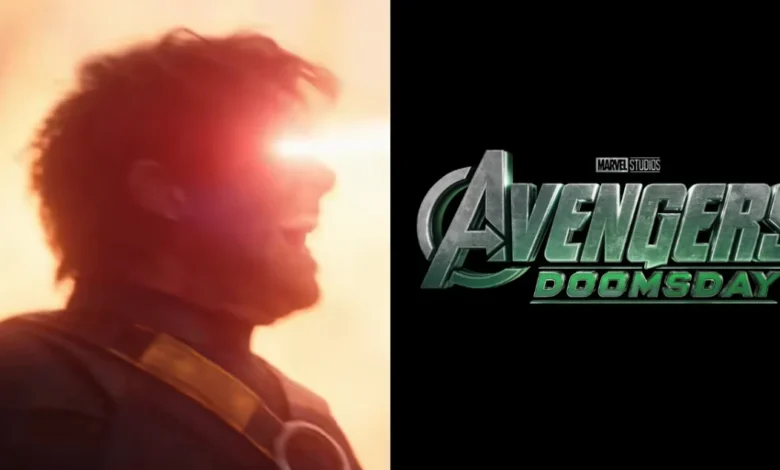
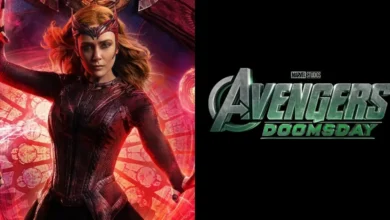
The recent unveiling of the mutants-focused trailer for Marvel Studios’ upcoming blockbuster, Avengers: Doomsday, has sent shockwaves through the comic book film community. Among the most discussed elements of this promotional footage is the return of James Marsden, who reprises his iconic role as Scott Summers, also known as Cyclops. For a generation of fans who grew up with the original 20th Century Fox X-Men trilogy, seeing Marsden back in the visor—and sporting a costume more faithful to the classic comic book aesthetic than his previous big-screen iterations—represents a significant moment in the integration of mutant lore into the Marvel Cinematic Universe (MCU).
This development follows years of anticipation regarding how Marvel Studios would reconcile the distinct X-Men film history with the sprawling, interconnected narrative established by Kevin Feige. With the trailer’s release, it is now confirmed that the multiverse-spanning stakes of Avengers: Doomsday will serve as a bridge, allowing legacy actors to interact with the current MCU roster.
A Chronology of the X-Men Cinematic Evolution
To understand the weight of Marsden’s return, one must look at the historical trajectory of the X-Men on film. The journey began in 2000 with Bryan Singer’s X-Men, which effectively launched the modern superhero film era. In this original trilogy, Marsden’s Cyclops was positioned as the field leader of the team. However, as the franchise progressed, the narrative focus shifted heavily toward Hugh Jackman’s Wolverine. By the time the prequel era—starting with X-Men: First Class in 2011—commenced, the character of Cyclops (portrayed by Tye Sheridan) was relegated to a supporting role, often overshadowed by the complex dynamics between Professor X, Magneto, and Mystique.
For over two decades, the portrayal of Cyclops remained a point of contention among comic book purists. While Marsden was widely regarded as a capable actor, the screenplays often marginalized the character, limiting his tactical brilliance and leadership capabilities to highlight the more marketable "lone wolf" tropes associated with Wolverine. The announcement of his inclusion in Avengers: Doomsday, therefore, serves as a narrative correction, offering a veteran actor the opportunity to portray a version of the character that feels both matured and visually accurate to his source material.
Technical Advancements and the Modern Mutant Aesthetic
In a recent interview with ScreenRant, Marsden discussed the stark differences between filming the original trilogy and participating in this latest production. The contrast in production value is significant. In the early 2000s, the visual effect of Cyclops’ optic blast was achieved through practical methods—often involving physical props and early digital overlays.
"When I’d do a blast, when we filmed the first movie, I’d have two rolls of film that they painted red from my eyes," Marsden noted, highlighting the rudimentary nature of early VFX. In contrast, modern cinematography and high-fidelity CGI have allowed for a more visceral representation of the character’s powers. Marsden remarked on the experience of witnessing these advancements firsthand: "To have that epic shot with modern technology and special effects… I watched it over and over and over again."
This shift reflects the broader evolution of the MCU, which has set a global standard for blending practical performance with high-end digital compositing. For legacy actors, stepping back into these roles within the current technological landscape provides a sense of closure and an opportunity to see their characters rendered with a level of fidelity that was previously impossible.
Industry Context and the "Multiverse" Strategy
Avengers: Doomsday is positioned as the centerpiece of Marvel’s current "Multiverse Saga." By integrating characters from pre-existing franchises, Disney and Marvel Studios are leveraging significant intellectual property assets that were acquired following the 2019 merger with 21st Century Fox. This strategy is not merely a nostalgia play; it is a calculated effort to expand the scope of the MCU’s geopolitical and cosmic threats.
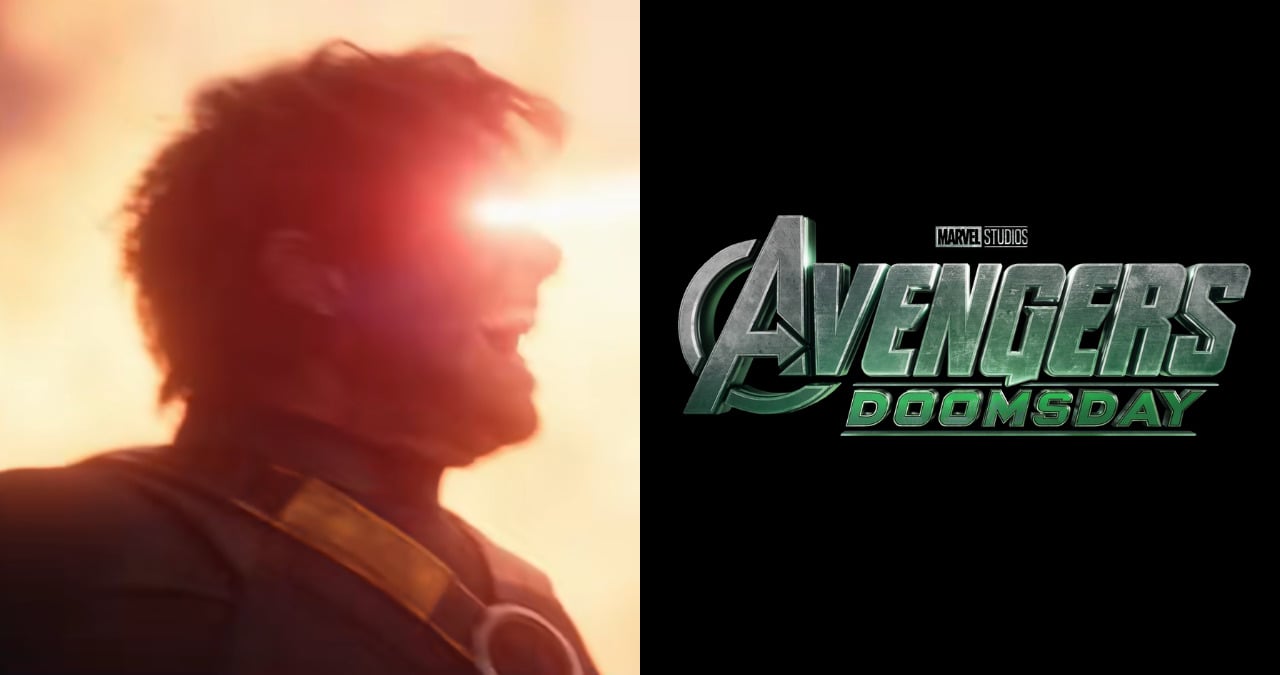
The inclusion of the X-Men suggests that the film will tackle the concept of "incursions"—the collision of different realities—as explored in recent installments such as Doctor Strange in the Multiverse of Madness and Deadpool & Wolverine. From a business standpoint, this provides the studio with a mechanism to introduce established characters without requiring the lengthy origin-story setups that traditionally precede team-up films. It also creates a heightened sense of urgency for the audience, as the stakes involve the survival of multiple cinematic timelines simultaneously.
Analyzing the Impact of Marsden’s Return
The return of James Marsden is not an isolated casting decision; it represents a thematic pivot for the MCU. Historically, the X-Men have functioned as a standalone allegory for social prejudice, separate from the more heroic, status-quo-maintaining Avengers. Bringing these two groups together in a high-stakes, multiversal conflict forces a collision of ideologies.
The analytical consensus among industry insiders is that Avengers: Doomsday aims to provide a definitive "swan song" for actors associated with the early 2000s era of superhero cinema. For Marsden, this is a moment of professional redemption. By placing Cyclops in a darker, more ensemble-driven environment, the film allows for a more nuanced exploration of his character’s burden as a leader. The "redemption" discussed by fans stems from the desire to see a version of Scott Summers that is not merely a foil to Wolverine, but a primary force of nature capable of wielding his optic blasts with the tactical precision seen in the comics.
Official Responses and Fan Reception
While Marvel Studios maintains a strict embargo on plot details, the fan response to the trailer has been overwhelmingly positive, particularly regarding the visual design of the mutant ensemble. The reaction underscores a "spiritual experience" for long-term followers of the franchise, many of whom have waited years to see the X-Men depicted with modern budgetary resources.
The excitement surrounding the trailer also points to the enduring power of the X-Men brand. Despite the fatigue often associated with long-running franchises, the mutants remain a cornerstone of Marvel’s popularity. Marsden’s enthusiasm during his press appearances serves to heighten this anticipation, as he expressed genuine gratitude for the opportunity to revisit a character that defined the early stages of his career.
Broader Implications for the Future of the MCU
As Avengers: Doomsday approaches its December 2026 release date, the inclusion of the X-Men sets the stage for a new phase of the MCU. Whether this signals a permanent merger of the Fox-era mutants into the primary MCU timeline or serves as a temporary alliance remains to be seen. However, the presence of legacy actors like Marsden suggests that Marvel is prioritizing emotional resonance and continuity for long-term fans.
The success of this production will likely dictate the direction of the X-Men franchise moving forward. If audiences respond positively to this multiversal iteration of Cyclops, it may influence how the studio chooses to reboot the core X-Men team in future standalone films. It validates the idea that even older, "sidelined" characters possess significant narrative equity if handled with the appropriate gravitas and visual care.
In summary, the return of James Marsden as Cyclops is a testament to the longevity of the superhero genre and the studio’s willingness to synthesize its complex cinematic history. As fans await the December 2026 premiere, the discourse surrounding the film continues to emphasize a transition from the experimental nature of early 2000s films to the grand, unified scale of the current MCU. Whether or not this film serves as the final chapter for these specific versions of the characters, it stands as a landmark moment that acknowledges the past while actively constructing the future of the Marvel cinematic landscape.