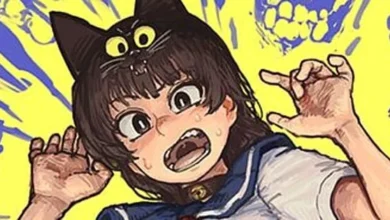
Destroy All Humans. They Can’t Be Regenerated. -Timeshift- to launch as a new limited miniseries in Monthly Shonen Ace


The landscape of 1990s-inspired manga is set to expand once again as the celebrated series Destroy All Humans. They Can’t Be Regenerated. A Magic: The Gathering Manga prepares for a brief, highly anticipated return. According to the latest issue of Kadokawa’s Monthly Shonen Ace, authors Katsura Ise and Takuma Yokota will debut a four-chapter limited miniseries titled Destroy All Humans. They Can’t Be Regenerated. -Timeshift-. The new content is scheduled to begin serialization in the magazine’s December issue, which hits newsstands on October 26, 2026. This announcement follows the conclusion of the original, long-running series in April 2025, providing fans with a nostalgic post-script to a story that captured the cultural intersection of middle school life and the burgeoning trading card game (TCG) phenomenon.
A Legacy of Strategic Storytelling
The original Destroy All Humans. They Can’t Be Regenerated. (known in Japan as Subete no Jinrui o Hakai suru. Sorera wa Saisei Dekinai.) carved a unique niche in the manga industry by blending coming-of-age drama with the specific technical history of Magic: The Gathering. Centered on protagonist Hajime Kano, the narrative serves as a time capsule for the 1990s, capturing the anxiety, social dynamics, and obsessive joy associated with the early days of competitive gaming in Japan.
The story follows Kano, a student at Tokiwagi Middle School, whose life is irrevocably altered by his introduction to Magic: The Gathering. His rivalry with the popular honor student Emi Sawatari serves as the narrative engine, moving from academic competition to the high-stakes world of deck-building and local game store culture. By grounding the fantasy elements of the card game within the mundane reality of 1990s Japanese school life, the series transcended the typical "game manga" tropes, earning praise for its historical accuracy regarding the game’s meta-evolution and its emotional resonance.
Chronology and Development
The journey of this series has been marked by significant milestones that highlight its evolution from a niche project to a recognized commercial success:
- August 2018: The series debuted as a one-shot in Monthly Shonen Ace, testing the waters for a narrative centered on TCG culture.
- November 2018: Following a positive reception, the full serialization began, with Wizards of the Coast LLC providing official cooperation and guidance.
- May 2024: Viz Media announced that it would bring the manga to English-speaking markets, signaling the international appeal of the series’ core themes.
- April 2025: After nearly seven years of publication, the main story arc reached its conclusion.
- June 2025: Kadokawa published the 18th and final collected volume of the original series.
- October 2026: The Timeshift miniseries is slated to commence, marking the return of the franchise just over a year after its initial finale.
The Significance of the "Timeshift" Format
Katsura Ise confirmed via his official X (formerly Twitter) account that the upcoming project will be a short-term, irregular, four-chapter limited series. The subtitle "Timeshift" is a clever nod to the Magic: The Gathering "Time Spiral" block, which featured cards from throughout the game’s history, often appearing with their original frames or as "timeshifted" versions.
This structural choice suggests that the new chapters may operate outside the constraints of the main narrative, perhaps acting as vignettes that explore different points in time or peripheral characters who were not fully developed in the original 18-volume run. For fans, this signifies a "return to the fold" that respects the finality of the original ending while offering a deeper dive into the world that Ise and Yokota meticulously crafted.
The Role of Wizards of the Coast and Industry Impact
The cooperation of Wizards of the Coast LLC has been a critical component of the series’ authenticity. By allowing the authors to accurately depict specific card sets, tournament rules, and the specific jargon of 90s-era Magic, the manga acted as a bridge between the TCG community and manga readers.

From an analytical standpoint, the success of this series highlights a growing trend in the publishing industry: the hybridization of pop-culture history and fiction. By anchoring the plot in the actual history of a globally recognized product, the creators were able to tap into the nostalgia of long-term Magic players while introducing the game to a younger generation. The fact that Kadokawa—a major player in the manga publishing sector—has commissioned this "Timeshift" content suggests that the IP retains significant commercial value and that the demographic for "gaming-as-literature" remains robust.
Market Implications and Future Outlook
The decision to limit the new series to four chapters is a strategic one. It allows the creative team to deliver a self-contained, high-quality narrative without the pressure of an open-ended serialization. This model is becoming increasingly popular in the industry, as it prevents the "narrative fatigue" that can affect long-running series while keeping the fanbase engaged with the property.
Furthermore, the involvement of Viz Media in the English-language distribution of the series suggests that there is a clear path for Timeshift to be translated for international audiences. As the trading card market continues to experience a resurgence, particularly with the popularity of retro-collecting and the digital evolution of the game, the thematic relevance of a story set in the "early years" of the hobby remains potent.
Broader Cultural Context
The manga industry has frequently explored the world of games, from the high-stakes drama of Hikaru no Go to the digital survival elements of Alice in Borderland. However, Destroy All Humans. They Can’t Be Regenerated. occupies a unique space as a "period piece." By focusing on the 1990s, the authors were able to capture the specific tactile experience of the hobby before the ubiquity of high-speed internet and digital deck-testing platforms.
The "Timeshift" chapters will likely continue this trend of historical immersion. Whether the chapters focus on the release of iconic sets or the social atmosphere of 90s game shops, the return of the series serves as a testament to the enduring legacy of the Magic: The Gathering cultural phenomenon.
Conclusion
As the publication date of October 26 approaches, the return of Destroy All Humans. They Can’t Be Regenerated. stands as a bridge between the past and the present of manga storytelling. With the creative partnership of Ise and Yokota intact and the continued support of Wizards of the Coast, the Timeshift miniseries is positioned to provide a concise, meaningful addendum to one of the most successful TCG-based manga of the last decade. For readers who spent years following Hajime Kano’s evolution, these four chapters offer a final, strategic move in a narrative game that has clearly left an indelible mark on its audience.
The industry will be watching to see if this short-term return sparks further interest in the series’ collected volumes or if it serves as a definitive closing chapter for a franchise that has already provided a comprehensive account of the early "Magic" era. Regardless of the long-term outcome, the announcement serves as a reminder of the power of niche storytelling in the modern manga marketplace.