The Reassertion of Power: Analyzing the Escalating Geopolitical Crisis in the Kingdom Come Era


The return of the Justice League to the global stage has fundamentally altered the trajectory of international relations, sparking a volatile debate regarding the legitimacy of non-state actors in governance. As Earth-22 navigates a post-disaster landscape, the transition from the chaotic, post-Magog era to a centralized metahuman administration has raised urgent questions concerning sovereignty, surveillance, and the rule of law. What began as a series of localized interventions has morphed into a complex power struggle between established metahuman icons and a new, technologically driven paradigm of security.
A Chronology of Recent Metahuman Interventions
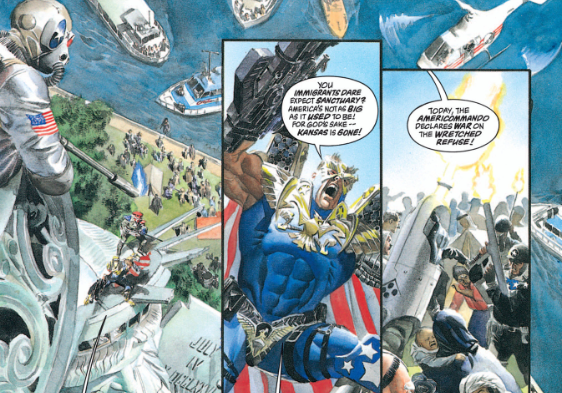
The current crisis began in earnest with a high-profile skirmish at the Statue of Liberty, where the vigilante known as Americommando and his paramilitary "Minutemen" attempted to exert unilateral control over immigration processing. The event underscored the growing trend of self-appointed metahuman enforcers operating outside of established international maritime and civil laws. The immediate intervention by the reformed Justice League—which successfully neutralized the combatants—was initially viewed by many observers as a restoration of order. However, the speed and efficiency with which these figures operated served as a stark reminder that the global community lacks the infrastructure to manage, let alone regulate, individuals of such immense capability.
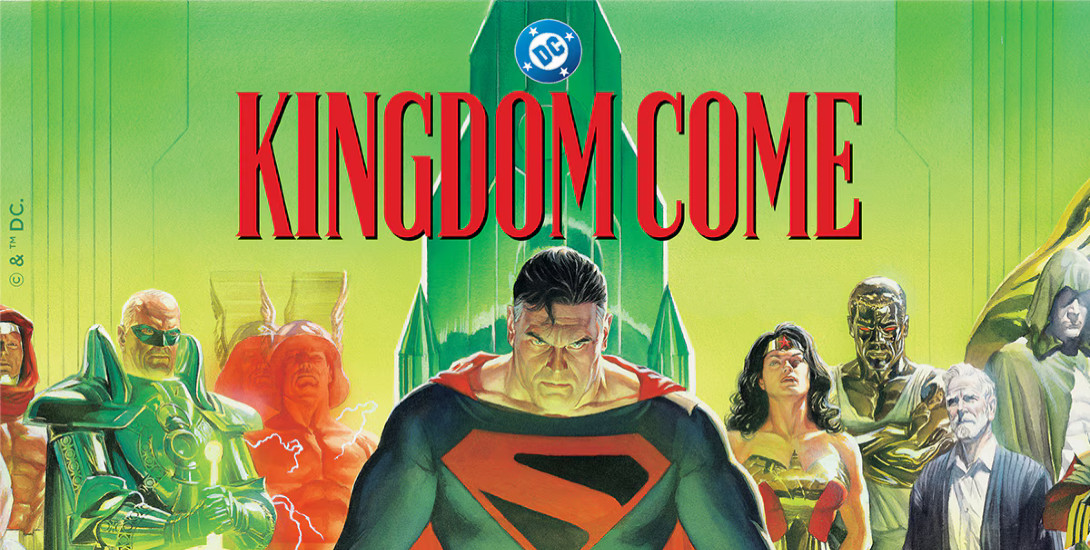
Following this engagement, Superman held a press conference at the United Nations headquarters in New York. This appearance was the first formal declaration of intent by the League since their long hiatus. While the League characterized their return as a mission to restore "truth and justice," the lack of a formal mandate from the UN Security Council left many member states concerned about the long-term implications for national autonomy.

The Surveillance State: The Wayne Doctrine
While the Justice League has focused on public-facing interventions, Bruce Wayne has adopted a diametrically opposed strategy. Reports confirm that Wayne, operating from the remnants of the Gotham City facility, has deployed an extensive network of automated surveillance and robotic enforcement units. This "Wayne Doctrine" prioritizes predictive policing through mass data collection, effectively creating a private, high-tech security state that spans Gotham and extends into Star City.
Unlike the Justice League’s overt, force-based approach, Wayne’s methodology is rooted in persistent monitoring and algorithmic control. This shift marks a significant departure from traditional law enforcement practices. By bypassing judicial oversight and due process, Wayne has established a system that operates entirely on his proprietary standards. Critics argue that this creates a state of perpetual fear and violates fundamental rights to privacy, yet supporters point to a statistically significant decrease in localized crime as evidence of the system’s efficacy.
Data and Infrastructure: The Cost of Security
The technological landscape of 2026 presents unique challenges that were not present during the height of the League’s original tenure. The proliferation of AI-driven threat assessment tools and the widespread adoption of facial recognition technology have allowed individuals like Wayne to manage vast urban environments with minimal human labor. However, the concentration of this power in the hands of a single private entity—without democratic accountability—creates an unprecedented risk.
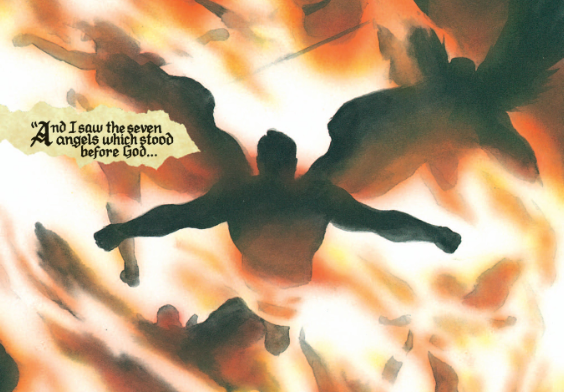
Recent data indicates that metahuman-related incidents have increased by approximately 240% since the collapse of the traditional prison system, including the destruction of Belle Reve and Blackgate. With the Justice League now constructing a specialized, off-site detention facility, the global community faces a logistical and ethical dilemma. By centralizing the incarceration of meta-powered individuals, the League is effectively acting as the world’s jailer. This centralization risks creating a singular, high-value target for insurgent groups while simultaneously stripping governments of their jurisdiction over their own citizens.
Official Responses and Institutional Friction
The response from the international community has been fractured. While some nations have welcomed the League’s intervention as a necessary evil to curb the rising tide of unchecked vigilantes, others have expressed profound alarm. Legal scholars emphasize that the League’s current operations lack a basis in international treaty law.
Inside the League, internal friction is becoming increasingly apparent. Sources close to the organization indicate that Wonder Woman has advocated for a more aggressive stance toward non-compliant metahumans, reflecting a growing impatience with the diplomatic process. This divergence in philosophy—between Superman’s emphasis on restoration and Diana’s push for decisive action—threatens to destabilize the core of the League itself.

The Luthor Factor: A New Strategic Alliance
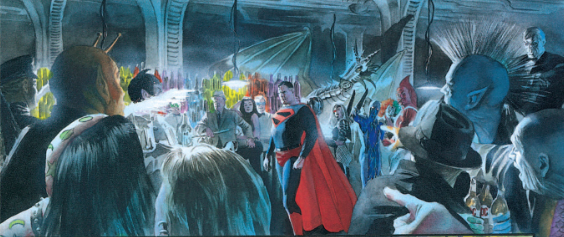
The most concerning development in the ongoing crisis is the formation of a clandestine alliance between Bruce Wayne and Lex Luthor. Luthor, who has long positioned his "Mankind Liberation Front" as a humanitarian relief organization, has effectively leveraged the chaos for political gain. By absorbing and "rebranding" survivors from the destroyed penal institutions, Luthor has successfully integrated a faction of metahumans into his own agenda, ostensibly to protect human interests.
The convergence of Wayne’s technological resources and Luthor’s political influence suggests a strategic effort to challenge the Justice League’s hegemony. This alliance, seemingly born from a shared disdain for the League’s current trajectory, indicates that the conflict is moving beyond physical combat into the realm of high-stakes geopolitical maneuvering. The involvement of Billy Batson in these machinations remains a focal point of concern for intelligence agencies, as the potential impact of his involvement could fundamentally shift the balance of power.
Broader Implications and Future Outlook
The current situation represents a critical juncture for global governance. As we approach the thirty-year anniversary of the initial metahuman emergence, the fundamental question remains: who possesses the authority to define the future of humanity? The Justice League’s attempt to restore a pre-crisis status quo is increasingly perceived as a nostalgic endeavor that ignores the complexities of the modern era. Conversely, the private surveillance apparatuses being built by Wayne and the political machinations of Luthor suggest that the era of democratic governance may be nearing a functional end.
The absence of legislative oversight is the most glaring deficiency in the current geopolitical framework. Without a mechanism to integrate metahuman capabilities into the existing legal structure, society remains at the mercy of individual actors who, despite their claims of altruism, operate without the essential constraints of a constitutional democracy. The upcoming developments in Kansas, where the League is currently engaged in post-conflict management, are expected to serve as a litmus test for their long-term viability as an authority figure.

As the lines between hero, vigilante, and authoritarian continue to blur, the public is left with a precarious choice. Should society defer to the strength and history of the Justice League, or should it lean into the technological order promised by private entities like Wayne’s? Both paths lead away from the traditional, institutional power structures that have historically protected individual rights. The unfolding events of 2026 suggest that the most dangerous aspect of this crisis is not the conflict itself, but the erosion of the processes meant to govern it. Whether the Justice League can adapt to a world that no longer requires a "god-like" savior remains to be seen, but the current trajectory suggests that the transition will be anything but peaceful. As institutional trust hits an all-time low, the risk of a systemic collapse remains the most pressing concern for global security observers in the months ahead.