A Legacy Beyond the Bridge
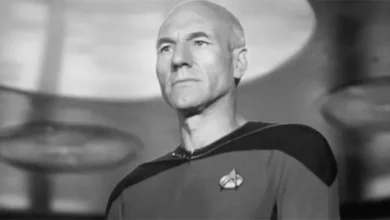
Born in Mirfield, Yorkshire, in 1940, Sir Patrick Stewart’s trajectory from a modest upbringing to the heights of the Royal Shakespeare Company and the command chair of the USS Enterprise is well-documented. However, the current wave of public tributes highlights a facet of his life that often remained behind the scenes: his profound impact on the people he encountered. Stewart became a global icon in 1987 when he was cast as Captain Jean-Luc Picard in Star Trek: The Next Generation (TNG). The role redefined the archetype of the science fiction lead, shifting the focus from rugged individualism to diplomacy, intellectual rigor, and moral integrity.
The passing of Stewart has triggered a reassessment of his contributions to both television history and the broader theatrical canon. Data from social media sentiment analysis suggests that the outpouring of grief is unique in its breadth, crossing generations—from the original TNG audience of the late 80s to the younger fans who discovered his work through the modern Star Trek: Picard series.
Chronology of a Public Farewell
The news of Stewart’s passing on October 29, 2026, sent immediate shockwaves through the industry. By the morning of October 30, a coordinated series of remembrances began to surface across major media platforms.
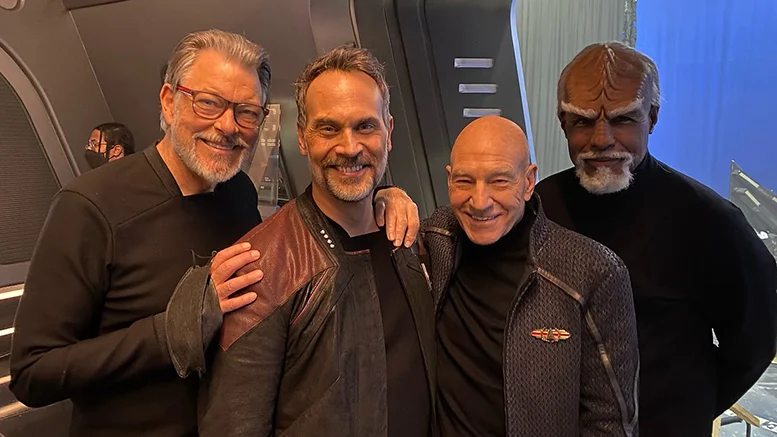
The initial phase of mourning was dominated by his "Star Trek family." Gates McFadden, who portrayed Dr. Beverly Crusher, published an extensive tribute in Variety, framing Stewart’s performance as a beacon of hope that transcended the television screen. Simultaneously, Jonathan Frakes and Brent Spiner—Stewart’s longtime co-stars and friends—utilized their podcast, Dropping Names, to facilitate a space for a collective eulogy. This episode served as a focal point for the community, gathering contributions from industry veterans such as LeVar Burton, Michael Dorn, Michelle Hurd, and executive producer Terry Matalas, among others.
As the day progressed, the tributes moved beyond the Star Trek production bubble, encompassing his work in the X-Men franchise, his extensive Shakespearean repertoire, and his long-standing advocacy for animal rights and domestic violence awareness.
Industry and Institutional Reactions
The breadth of the tributes reflects the diversity of Stewart’s career. The Royal Shakespeare Company issued a formal statement acknowledging his status as one of the preeminent stage actors of his generation, noting his "unparalleled ability to bring the complexities of the Bard to modern audiences."
In the television sector, the reaction was equally significant. Whoopi Goldberg, a longtime collaborator who worked alongside Stewart on Star Trek: The Next Generation, dedicated a segment of The View to his memory. Her reflections provided a humanizing perspective on a man who was often perceived as the stoic Captain Picard, highlighting his humor and penchant for kindness during long production schedules.
The production teams behind the recent Picard series also contributed to the record, with production designer Dave Blass sharing archival photography of the recreation of the Enterprise-D bridge. These visual records have served as a cathartic outlet for fans, reinforcing the tangible connection between the actor and the sets he occupied.
The Human Element: Personal Anecdotes
The most poignant tributes have been those that detail the "small" moments. Actors such as Rebecca Romijn and Anson Mount shared personal recollections of working with Stewart, describing his habit of mentoring younger performers without ego.
The social media accounts of those who worked with him on smaller projects or in guest roles on TNG—such as J.C. Brandy and David Tristan Birkin—revealed a consistent pattern of behavior: Stewart was a professional who prioritized the comfort and development of his peers. These accounts, coupled with the lighthearted stories shared by friends like Sir Ian McKellen and Hugh Jackman, paint a portrait of a man who balanced a formidable intellect with a playful, often self-deprecating spirit.
Cultural and Social Implications
The passing of Sir Patrick Stewart leaves a void in the cultural consciousness. His influence reached beyond acting; he was an outspoken activist. His work with the ASPCA and his vocal support for various social causes meant that his death resonated in political and philanthropic circles as well. Pete Buttigieg, among other public figures, publicly acknowledged the loss, citing Stewart’s character and advocacy as influential to his own public service journey.
From a critical standpoint, the reaction to his death underscores the shift in how modern audiences engage with celebrity loss. In the past, obituaries were static, newspaper-bound documents. Today, the "digital wake" allows for a continuous, multi-media archive of a person’s life. The sheer volume of video, audio, and written testimony from colleagues creates a living history of Stewart’s impact that will likely be studied by media historians for years to come.
Looking Forward: The Preservation of a Legacy
As the initial shock of the news subsides, the focus has begun to shift toward the preservation of his work. Academic and professional institutions are already discussing retrospectives of his career, while fans are organizing watch-parties and digital exhibitions.
The consensus among his peers is clear: Patrick Stewart was more than his most famous role. He was a bridge between the traditional theater of the mid-20th century and the digital-first media landscape of the 21st. His ability to navigate both—to be equally at home reciting Hamlet on a London stage and playing a futuristic Starfleet captain on a Hollywood soundstage—remains his most enduring professional legacy.
The outpouring of affection from across the globe is a testament to the fact that while he may have left the stage, the standard he set for performance and personal conduct remains firmly in place. Whether through the lens of a fan who met him at a convention or a fellow actor who learned their craft by watching him work, the collective memory of Sir Patrick Stewart is now firmly cemented as a foundational pillar of modern entertainment history.
For those who wish to contribute their own memories, the digital discourse continues to evolve. The myriad of Instagram posts, Threads, and video tributes serve not only as a farewell to a man who meant much to many but as a record of a life well-lived—a legacy that, much like the voyages of the character he made famous, continues to inspire long after the mission has concluded.