When October arrives and the autumn air turns crisp, popular culture inevitably pivots toward horror. While feature-length cinematic releases have traditionally dominated the Halloween season, television offers a distinct structural advantage for the horror genre. Long-form serial storytelling grants writers and directors the necessary runway to flesh out complex character arcs, establish deep atmospheric dread, and construct intricate whodunit mysteries that span multiple episodes. For viewers seeking a heightened sense of suspense this Halloween, the small screen frequently outperforms traditional two-hour films by turning terror into a prolonged, immersive experience.
Examining the landscape of modern television reveals that several standout series have successfully adapted the classic slasher formula into episodic formats. Far from diluting the tension, these programs utilize expanded runtimes to raise the emotional stakes before picking off characters one by one. The following three television shows offer exceptional viewing alternatives for audiences looking to elevate their seasonal marathons beyond standard cinematic fare.
The Evolution of the Television Slasher
The marriage of the slasher genre—traditionally built on high body counts, isolated settings, and a masked or supernatural antagonist stalking teenagers—and television is a relatively recent phenomenon. Historically, network and cable television struggled to replicate the relentless pacing and graphic nature of R-rated theatrical slasher franchises like Halloween, Friday the 13th, and A Nightmare on Elm Street. Standard television formatting required episodic resets, meaning major characters could rarely face permanent elimination from week to week.
However, the rise of cable networks, premium subscription services, and serialized streaming formats fundamentally altered this dynamic. Producers realized that limited series and anthologies could mirror the structure of a feature-length slasher while giving audiences more time to invest in potential victims. This shift allowed creators to subvert audience expectations regarding character survivability, introduce complex psychological motives, and execute elaborate narrative twists.
3) Chucky: Expanding a Cinematic Icon for the Small Screen

The Child’s Play franchise has occupied a prominent space in the horror genre since the late 1980s. Following the 1988 theatrical release directed by Tom Holland, the property expanded through numerous sequels, cementing the Good Guy doll possessed by the soul of serial killer Charles Lee Ray as a pop-culture icon. In October 2021, franchise creator Don Mancini successfully transitioned the intellectual property to television with the premiere of Chucky on Syfy and USA Network.
The narrative centers on Jake Wheeler, a teenage outcast in Hackensack, New Jersey, who purchases the iconic vintage doll at a suburban yard sale. The acquisition quickly spirals into terror as Charles Lee Ray’s malevolent spirit awakens, initiating a fresh wave of brutal homicides that expose the dark underbelly and hidden secrets of the seemingly quiet town. As the body count rises, Jake and his peers find themselves directly entangled in the killings.
Despite concluding its broadcast run after three seasons following cliffhangers and industry scheduling shifts, Chucky remains a masterclass in blending graphic slasher violence with biting dark comedy. Franchise continuity is rigorously maintained, weaving together characters and lore from decades of films. Industry reports indicating that Mancini has explored further continuations underscore the enduring viability of the property. For Halloween audiences, Chucky offers a compelling blend of nostalgia, creative practical-effect kills, and a self-aware villain who treats murder as an intensely personal art form.
2) American Horror Story: 1984: A Nostalgic Homage to Golden-Age Slashers
Ryan Murphy and Brad Falchuk’s anthology series American Horror Story redefined modern horror television upon its 2011 debut on FX, establishing a dense, interconnected lore across multiple seasons and over a hundred episodes. While later seasons faced critical debate regarding narrative focus, the ninth iteration, subtitled 1984, emerged as a critically appreciated love letter to the golden era of summer camp slasher cinema.
Set against the cultural backdrop of the mid-1980s fitness craze and Satanic panic, the nine-episode season follows a group of young adults—including Brooke Thompson, played by Emma Roberts—who secure summer employment as camp counselors at the newly reopened Camp Redwood. Unbeknownst to them, the campgrounds share a grim historical connection to a notorious mass murderer known as Mr. Jingles, who has recently escaped from a psychiatric facility. Upon arrival, the counselors realize they are trapped in a deadly game of survival as multiple killers converge on the property.
AHS: 1984 succeeds by leaning directly into its genre influences, faithfully recreating the synthesizer-heavy scores, neon workout attire, and stylistic tropes popularized by franchises like Friday the 13th and Sleepaway Camp. By restricting the narrative to a concise nine-episode arc, the production avoids the pacing pitfalls that occasionally plague longer seasons of the anthology. The resulting product is a fast-paced, highly unpredictable pastiche that rewards fans of classic 1980s horror tropes with ample bloodshed and nostalgic flair.

1) Harper’s Island: The Ultimate Whodunit Mystery
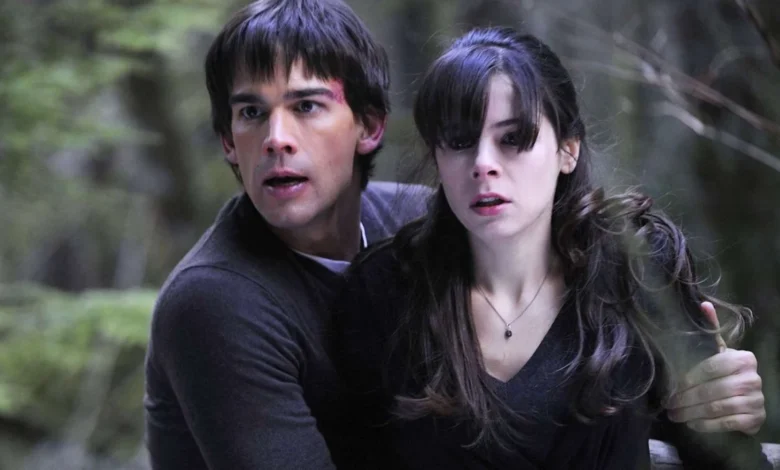
Originally broadcast on CBS in 2009, Harper’s Island remains one of the most ambitious yet overlooked experiments in network horror television. Created by Ari Schlossberg, the thirteen-episode limited series adopted an Agatha Christie-style murder mystery framework and merged it with a classic American slasher narrative.
The plot revolves around a destination wedding party traveling to an isolated island off the coast of Seattle to celebrate the union of Henry Dunn and Trish Wellington. What should have been an idyllic weekend celebration quickly devolves into terror when the wedding guests and local residents begin dying in rapid succession. The terror is compounded by the island’s dark history: seven years prior, a local serial killer named John Wakefield terrorized the community before seemingly perishing, leaving the survivors to wonder whether Wakefield has returned or if a new killer is operating within their inner circle.
Harper’s Island utilized a structural model rarely seen in broadcast television, operating under the explicit marketing premise that "one by one, they will die." With a strict rule that at least one character met their demise in every single episode, the series maintained intense viewer engagement. Audiences were forced to continuously re-evaluate character motives and piece together clues, creating a communal viewing experience akin to modern true-crime podcasts. Despite its short broadcast run, Harper’s Island remains a foundational text for serialized television horror, proving that the whodunit format can successfully sustain high-stakes slasher tension.
Comparative Analysis of Horror Mediums
When planning a viewing schedule for the Halloween season, audiences frequently weigh the structural merits of films versus television. Traditional horror films rely on strict time constraints—typically ninety to one hundred and twenty minutes—to introduce protagonists, establish peril, and resolve the central conflict. This format demands immediate pacing and often limits character development to basic archetypes.
In contrast, serialized television expands narrative breathing room. Programs like Chucky, American Horror Story: 1984, and Harper’s Island demonstrate how extended runtimes allow for nuanced character flaws, red herrings, and multi-layered subplots that amplify the emotional impact of a character’s demise. Furthermore, the weekly or binge-watch format fosters active audience participation, transforming passive viewers into analytical participants attempting to forecast the killer’s identity before the final reveal.

Broader Implications for the Genre
The sustained popularity of television-based slashers reflects broader shifts in contemporary horror consumption. As streaming platforms and cable networks continue to invest heavily in seasonal event programming, the boundary between cinematic horror and television production has increasingly blurred. Networks recognize that horror fans represent a dedicated, highly engaged demographic willing to explore serialized narratives during peak seasonal windows.
Furthermore, the revival and adaptation of established intellectual properties through television formats provide studios with a reliable avenue for risk mitigation. By leveraging existing brand recognition—such as the Child’s Play universe or established anthology frameworks—producers can attract legacy audiences while introducing fresh creative visions to younger demographics.
As the entertainment industry continues to evolve, the television slasher has cemented its status as a viable and often superior alternative to feature films for sustained seasonal terror. Whether through the darkly comedic malice of a possessed doll, the neon-drenched nostalgia of a summer camp massacre, or the intricate puzzle-box mechanics of an isolated island wedding, these series offer comprehensive narratives that satisfy the psychological and visceral demands of the Halloween season.