Retrospective Analysis: Three Cult Science Fiction Television Series That Premiered in 2009 and Gained Relevance Through Time


The year 2009 represents a transitional epoch for science fiction television. During this period, foundational programs were reaching their respective conclusions, notably the critically acclaimed series finale of Battlestar Galactica in March 2009, the zenith of David Tennant’s tenure on Doctor Who, and the ongoing production of speculative dramas like Fringe. Concurrently, network television experimented with high-concept speculative fiction, greenlighting numerous serialized narratives intended to capture the burgeoning serialized drama audience. Although several of these programs suffered premature cancellations due to shifting broadcast metrics, the passage of time has transformed them into subjects of academic and fan reevaluation. Programs such as V, Dollhouse, and FlashForward debuted during this window, presenting complex themes concerning systemic surveillance, cognitive autonomy, and institutional manipulation that closely mirror contemporary societal anxieties.
The Television Landscape of 2009 and the Serialized Drama Experiment
At the close of the 2000s, broadcast networks were actively seeking the next major serialized narrative to replicate the cultural footprint of Lost. This programming strategy prioritized intricate mythologies, ensemble casts, and overarching mysteries distributed across weekly television slots. However, the media ecosystem of 2009 operated under different commercial constraints than the subsequent streaming era. Traditional Nielsen ratings systems, fixed weekly advertising models, and prolonged broadcast hiatuses often penalized complex narratives that required consistent, uninterrupted viewing.
Consequently, several ambitious science fiction series launched in 2009 faced steep viewership erosion when placed on standard broadcast schedules. Despite these commercial setbacks, the creative ambitions of these projects positioned them as early blueprints for modern prestige streaming content. Their thematic focuses on corporate overreach, technological determinism, and the fragility of democratic institutions have grown increasingly prescient, prompting critics and audiences to reassess their contributions to the genre.
V: The Geopolitics of Charisma and Systemic Subversion
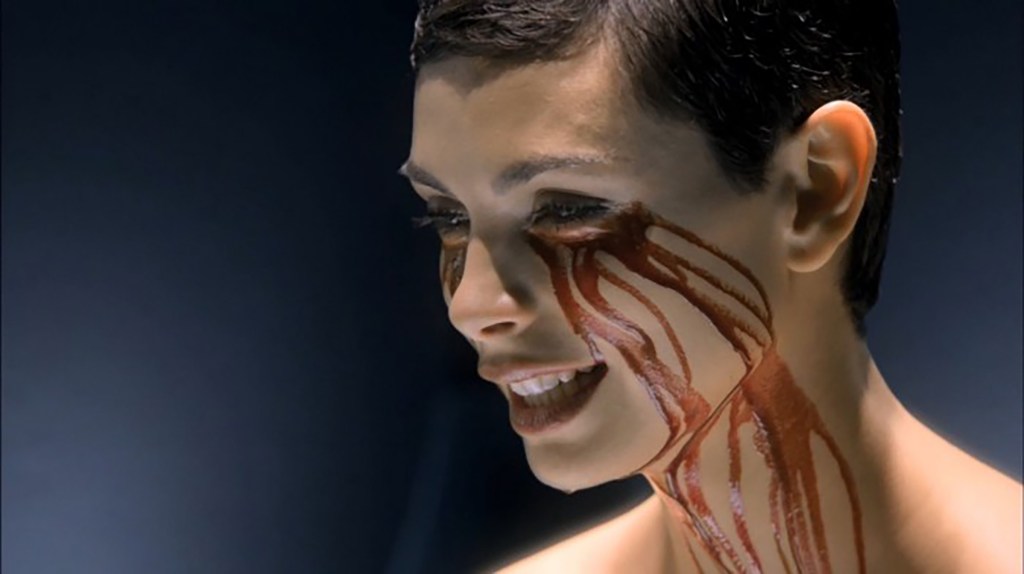
Premiering on the American Broadcasting Company (ABC) in November 2009, V was developed as a contemporary reimagining of Kenneth Johnson’s 1983 seminal miniseries. The production featured an ensemble cast including Elizabeth Mitchell, Morena Baccarin, Morris Chestnut, and Laura Vandervoort. The narrative centers on the sudden appearance of towering extraterrestrial spacecraft over major global metropolitan areas. The visitors, led by a charismatic spokesperson named Anna, claim to arrive in absolute peace. In exchange for minimal terrestrial resources, they offer revolutionary medical breakthroughs and advanced ecological technologies.
While a significant portion of the global population embraces the extraterrestrial visitors, an underground resistance forms, led by figures such as FBI counter-terrorism agent Erica Evans (Mitchell). The resistance uncovers the grim reality: the Visitors are predatory colonizers whose technological benevolence serves as a systemic integration strategy designed to harvest human resources and neutralize institutional opposition from within.

+-------------------------------------------------------------------------+
|                        V (2009) Core Narrative Flow                     |
+-------------------------------------------------------------------------+
| 1. Arrival: Extraterrestrial ships appear over major global cities.     |
| 2. Integration: Advanced medical and technological aid is offered.      |
| 3. Subversion: Public adoration enables undetected institutional capture.|
| 4. Resistance: Counter-forces mobilize as global autonomy collapses.    |
+-------------------------------------------------------------------------+
From an analytical perspective, V functioned as an exploration of the psychological mechanisms underpinning mass compliance and institutional trust. The character of Anna, portrayed with chilling serenity by Morena Baccarin, embodied the archetype of the charismatic technocratic leader who weaponizes public adoration while dismantling civil liberties. The series explored how societies can willingly abdicate sovereignty in exchange for security and material advancement. Following its two-season run, which concluded in May 2011, the series left viewers with a narrative resolution wherein humanity experienced a catastrophic defeat. This unresolved finale, viewed through the lens of modern geopolitical anxieties regarding misinformation and compromised institutional leadership, highlights the enduring relevance of the program’s cautionary themes.
Dollhouse: Corporate Surveillance, Artificial Intelligence, and Autonomy
Created by Joss Whedon and broadcast on the Fox network between February 2009 and January 2010, Dollhouse stands as one of the most intellectually rigorous speculative dramas of its decade. The series spanned two seasons and 26 episodes, following the clandestine operations of a shadowy corporate entity running illegal facilities known as "Dollhouses." These installations house individuals referred to as "Actives" or "Dolls"—people who have legally or illegally signed away their memories and legal identities.
Operating under the control of the corporation, the Actives are imprinted with temporary personalities, specialized skill sets, and memories tailored to meet the bespoke demands of wealthy, elite clients for espionage, personal security, romance, or illicit tasks. Eliza Dushku starred as Echo, an Active who begins experiencing systemic cognitive glitches, gradually retaining fragments of her original identity and memories despite repeated memory-wiping procedures.
+-------------------------------------------------------------------------+
|                     Dollhouse Production Metrics                        |
+-------------------------------------------------------------------------+
| Network: Fox                                                            |
| Premiere Date: February 13, 2009                                        |
| Finale Date: January 29, 2010                                           |
| Total Episodes: 26 (Across 2 Seasons)                                   |
| Creator: Joss Whedon                                                    |
+-------------------------------------------------------------------------+
The thematic core of Dollhouse anticipated many of the ethical dilemmas currently surrounding artificial intelligence, neural engineering, and corporate data harvesting. By examining a world where human consciousness is treated as a software commodity, the series interrogated fundamental philosophical questions concerning personal identity, bodily autonomy, and the commodification of the self. Critics have noted that while the show struggled to maintain commercial traction within traditional broadcast metrics during its initial airing, its granular exploration of algorithmic control and pervasive technological surveillance directly anticipates contemporary debates regarding generative AI, deepfakes, and the legal status of digital consciousness. The compressed 26-episode arc forced the creative team to accelerate their long-term narrative plans, resulting in a condensed conclusion that rapidly projected the fallout of advanced neural technology onto a dystopian future society.
FlashForward: High-Concept Serialization Ahead of Its Time
Debuting on ABC in September 2009, FlashForward was conceived by creators Brannon Braga and David S. Goyer as a high-concept successor to established mystery-driven programs. Based on Robert J. Sawyer’s 1999 science fiction novel of the same name, the premise hinges on a global cataclysmic event: every human being on Earth simultaneously loses consciousness for exactly two minutes and seventeen seconds. During this brief blackout, individuals experience a localized vision of their own lives exactly six months into the future.
Following the event, which results in catastrophic global infrastructure accidents and widespread casualties, an elite Los Angeles FBI task force is established to investigate the global phenomenon. Led by agent Mark Benford (Joseph Fiennes), the team attempts to construct a master database—dubbed the "Mosaic"—to map the collective visions of humanity, determine the systemic cause of the blackout, and ascertain whether the future events observed during the visions are immutable or subject to human agency.
The trajectory of FlashForward offers a textbook case study in the structural mismatches between 2000s broadcast television models and serialized narrative design. The program opened with record-setting ratings, drawing nearly 13 million viewers for its pilot episode. However, traditional weekly release patterns, coupled with prolonged scheduling hiatuses during its single-season run, caused viewership numbers to decline sharply.
Media analysts frequently argue that FlashForward was structurally optimized for modern binge-watching formats rather than the protracted release schedules of 2009 network television. The complex web of interconnected character fates, ethical dilemmas regarding precognition, and overarching conspiratorial arcs required an uninterrupted viewing cadence. Although ABC formally cancelled the series in May 2010 following its 22-episode run—leaving viewers on a cliffhanger as the literal calendar date of the flashforward arrived—the property found alternative resolution through Sawyer’s source material. The novel provided a definitive narrative conclusion, illustrating the theoretical destination of a television experiment constrained by the commercial realities of its era.
Institutional Implications and Legacy of the 2009 Speculative Class
The enduring legacy of V, Dollhouse, and FlashForward highlights a broader paradigm shift in how television history evaluates commercial performance versus thematic longevity. In 2009, broadcast executives often measured the viability of science fiction programming through immediate demographic retention and live-plus-same-day ratings. Shows featuring serialized storytelling, morally ambiguous protagonists, and systemic critiques of power frequently struggled under these legacy metrics.
However, the transition of the television industry toward subscription video-on-demand (SVOD) platforms has fundamentally altered the valuation of these historical assets. Programs that were once categorized as commercial underperformers are now recognized as foundational texts that tested the boundaries of network censorship, narrative complexity, and speculative philosophy. As contemporary society grapples with algorithmic governance, automated warfare, and the erosion of institutional trust, the speculative television of 2009 serves not merely as a relic of a bygone broadcast era, but as an acute diagnostic mirror reflecting the trajectory of modern technological civilization.