Masters of the Universe official trailer signals a high-stakes revitalization for the iconic fantasy franchise

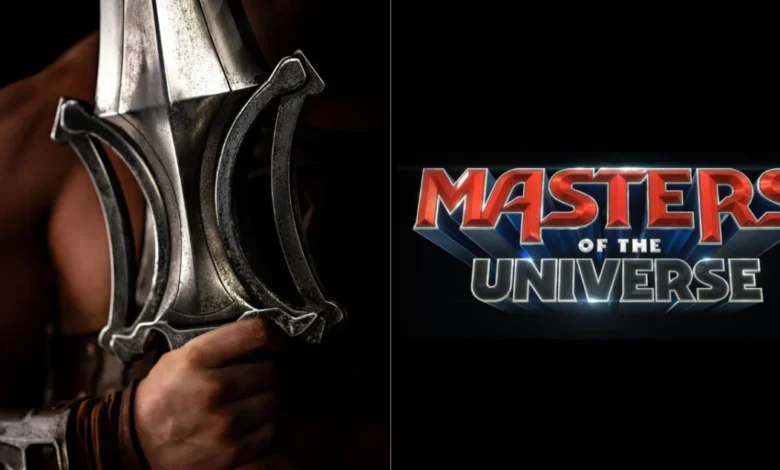
The landscape of modern blockbuster filmmaking is littered with ambitious projects that have succumbed to the pressures of "development hell," yet the upcoming live-action adaptation of Masters of the Universe appears to have emerged from that cycle with significant momentum. Following the release of a new promotional trailer, anticipation for the June 5, 2026, theatrical debut has shifted from skeptical caution to genuine interest. The project, which has undergone a tumultuous journey through various studios and casting iterations, now stands as a primary tentpole for its stakeholders, representing a critical test of whether 1980s intellectual property can achieve sustained success in the current cinematic climate.
A Chronology of Development and Studio Transitions
The path to the screen for this iteration of Eternia has been marked by a complex series of corporate maneuvers. The project’s history is a case study in the volatility of modern franchise management. Initially, the film was under the stewardship of Sony Pictures, which spent years attempting to align a script, director, and lead actor. During this phase, the production saw a rotating door of talent, including Noah Centineo and Kyle Allen, who were each briefly attached to the role of Prince Adam/He-Man before departing due to scheduling conflicts and shifting creative directions.
In a move that surprised industry analysts, Netflix eventually secured the rights, hoping to leverage the brand for its subscription service. However, following a reported $30 million expenditure on pre-production and development, the streaming giant opted to divest itself of the project. Amazon MGM Studios subsequently acquired the property, signaling a pivot toward a traditional theatrical release strategy rather than a direct-to-streaming model. This transition highlights the current industry trend where legacy IP is increasingly being redirected toward the high-revenue potential of the global box office, moving away from the saturation of streaming libraries.
The Cast and Creative Vision
The production has assembled an ensemble cast that underscores the financial and creative confidence invested in the project. Nicholas Galitzine, known for his work in various high-profile streaming dramas, has been cast as Prince Adam, tasked with bridging the gap between the character’s regal responsibilities and his alter-ego’s superhuman strength. Opposite him, Jared Leto is set to portray the primary antagonist, Skeletor. The inclusion of Leto—an Academy Award winner—suggests a desire to ground the fantastical elements of the script in high-caliber acting, perhaps aiming to elevate the film beyond the tropes often associated with fantasy-action cinema.
The supporting cast is similarly robust, featuring Idris Elba as Man-at-Arms, Camila Mendes as Teela, Alison Brie as Evil-Lyn, and Morena Baccarin as the Sorceress. The creative direction appears to be a deliberate departure from the campy aesthetic of the 1987 film directed by Gary Goddard, which starred Dolph Lundgren and Courtney Cox. While that initial entry into live-action remains a cult classic for its distinct 80s charm, the 2026 reboot is positioning itself within the stylistic lineage of contemporary space-fantasy, with many observers noting visual parallels to the tone and color palette established by Taika Waititi’s Thor: Ragnarok.
Analysis of Fan Reception and Market Trends
The initial public reaction to the promotional footage has been notably polarized but ultimately leaning toward the positive. Historically, rebooting beloved 1980s properties carries significant risk, as established fanbases are often protective of source material. However, the reception of the most recent trailer indicates a degree of acceptance regarding the film’s modernized visual identity. The decision to lean into high-fantasy spectacle while maintaining the core tenets of the Masters of the Universe lore appears to have mitigated concerns that the film would drift too far from the Mattel toy line’s roots.

From a market analysis perspective, the success of the film is contingent on its ability to perform across multiple demographics. The "He-Man" brand is uniquely positioned to capture both the nostalgia-driven adult audience—those who grew up with the 1983 animated series—and a younger generation of viewers who are familiar with the property through recent iterations, such as the Kevin Smith-helmed Netflix series. The challenge for the production team lies in balancing the inherent silliness of the premise—a hero who wields a magic sword to defend a neon-colored planet—with the gravity expected of a modern summer blockbuster.
Economic Implications and Corporate Strategy
The decision by Amazon MGM Studios to commit to a major theatrical release for Masters of the Universe represents a significant financial gamble. With a development budget that has already accrued tens of millions before a single day of principal photography, the break-even point for the film will be substantial. The project is emblematic of a broader industry shift: studios are increasingly looking to proven, pre-sold intellectual property to stabilize their release calendars amidst the unpredictability of original content.
If the film succeeds, it creates an immediate roadmap for a cinematic universe, with the potential for sequels, spin-offs focusing on individual characters like Teela or Evil-Lyn, and a renewed synergy with the toy division of Mattel. Conversely, should the film underperform, it may lead to a cooling of interest in high-budget fantasy reboots, forcing studios to reconsider the cost-benefit analysis of reviving dormant 80s franchises. The "development inferno" that preceded this film serves as a cautionary tale for the industry regarding the dangers of prolonged pre-production; however, the fact that the film has reached the stage of a high-quality trailer release is, in itself, a victory for the producers.
The Legacy of the 1987 Original
It is impossible to discuss the upcoming film without acknowledging the 1987 predecessor. That film, produced by Cannon Films, was hampered by significant budget constraints that forced much of the action to take place on Earth rather than on the planet Eternia. The 2026 reboot is clearly intended to correct this, with current production reports suggesting a heavy reliance on state-of-the-art practical effects combined with digital environments designed to realize the alien landscapes of the source material.
The cultural footprint of Masters of the Universe has remained surprisingly resilient. The property has transitioned through multiple iterations, including the original toy line, the Filmation cartoon, the 2002 reboot, and various graphic novel adaptations. Each version has adjusted the tone to suit its era, yet the fundamental struggle between He-Man and Skeletor remains a staple of pop culture. The upcoming film is tasked with synthesizing these various iterations into a cohesive, singular narrative that satisfies long-term devotees while remaining accessible to general audiences.
Looking Ahead to June 2026
As the release date of June 5, 2026, approaches, the marketing campaign is expected to intensify. Observers should look for strategic partnerships between the studio and retail outlets, as well as potential tie-ins with global gaming platforms, which have become standard for tentpole film releases. The trailer’s focus on the dynamic between Prince Adam and Skeletor suggests that the film will rely heavily on the weight of their adversarial relationship to anchor the plot.
The success of Masters of the Universe will ultimately be measured not just by its domestic box office returns, but by its global performance and its ability to sustain interest in a franchise that has struggled to find a consistent foothold in live-action. For now, the sentiment among those monitoring the project is one of cautious optimism. The film has survived its own development history, secured a high-profile cast, and delivered a promotional trailer that has successfully generated positive discourse. Whether it can maintain this momentum through to its release remains one of the most intriguing questions in the upcoming calendar of major motion pictures. For a property that has been "tossed around" by multiple studios, the finish line is finally in sight, and the industry will be watching closely to see if the power of Grayskull can truly translate into a modern-day cinematic phenomenon.
Related posts: