Kevin Feige and Ryan Coogler Reflect on Chadwick Boseman’s Enduring Legacy and the Humanity Behind Marvel’s Decisions

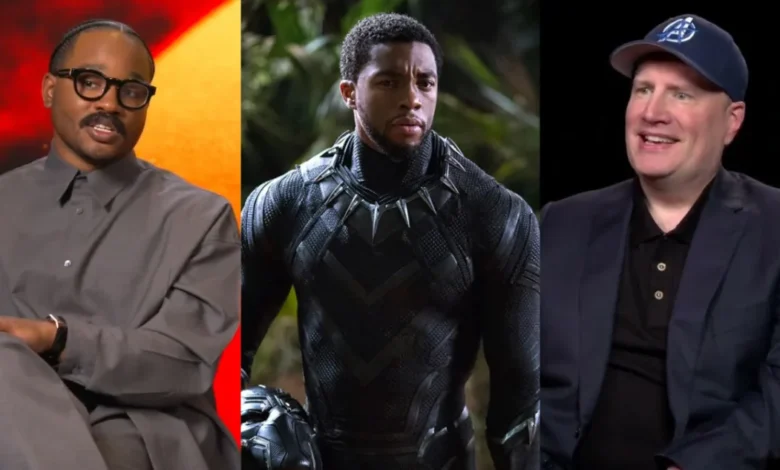
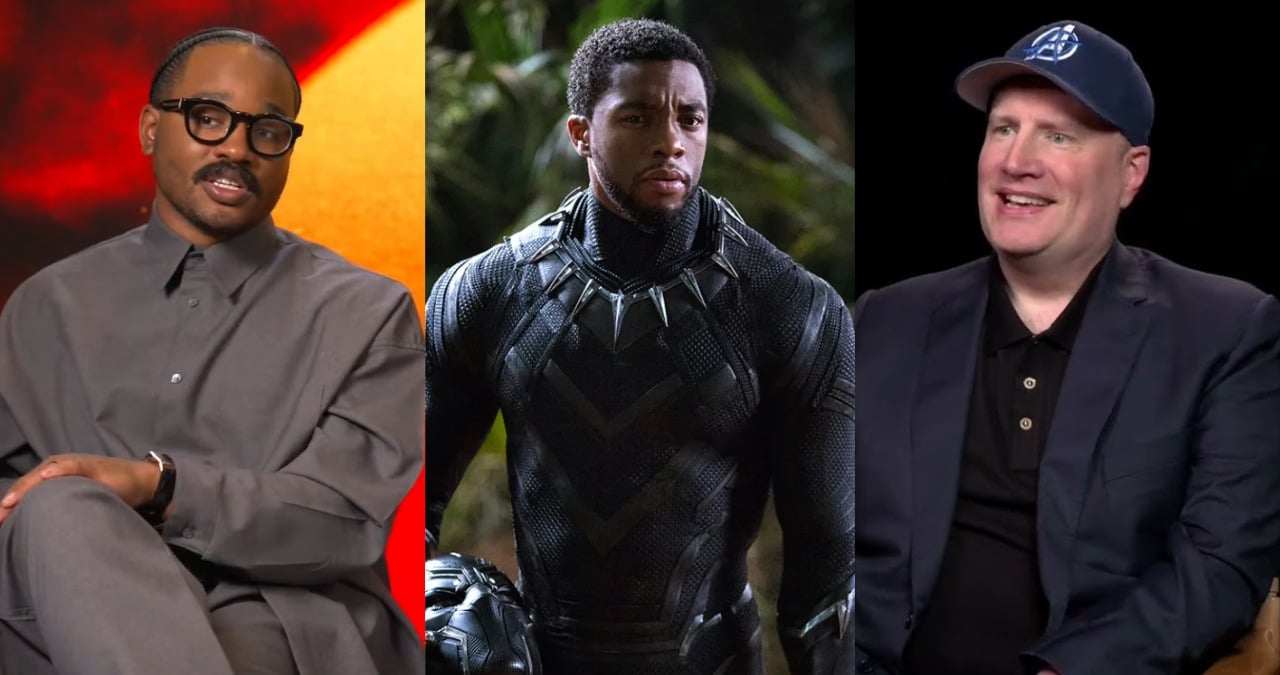
The profound impact of Chadwick Boseman’s passing in 2020 continues to resonate across Hollywood and with fans worldwide, a sentiment recently underscored by Marvel Studios President Kevin Feige and Black Panther director Ryan Coogler. In a candid conversation at the University of Southern California, the two creative powerhouses delved into the personal grief and professional challenges that followed the loss of the actor who so powerfully embodied King T’Challa, revealing the human considerations that often transcend corporate directives in the entertainment industry. Their reflections offer a rare glimpse into the emotional weight carried by those at the helm of one of the world’s largest cinematic franchises, highlighting how deeply personal tragedy can shape monumental creative paths.
The Unforeseen Loss and Its Industry-Wide Reverberations
Chadwick Boseman’s death on August 28, 2020, at the age of 43, after a private four-year battle with colon cancer, sent shockwaves across the globe. The announcement stunned millions, as Boseman had continued to work through his illness, delivering iconic performances with an unwavering dedication that few suspected was shadowed by such a severe health struggle. His portrayal of King T’Challa, the Black Panther, in the Marvel Cinematic Universe (MCU) had become a cultural touchstone, breaking box office records and shattering stereotypes, making his untimely departure all the more heartbreaking. The actor’s quiet resilience became a testament to his character both on and off-screen, forever altering the landscape of superhero cinema and discussions around representation in media.
Feige, the architect of the MCU, articulated a common human failing in his reflections: the tendency to take future interactions for granted. "We will be back in there, that was always my expectation. So the need to set a dinner or a lunch to say hi, I just never do. Because we’re busy and because we’re going to have a next time. And that hit me like a ton of bricks when I realized that there wasn’t going to be a next time," he confessed. This statement speaks to the relentless pace of Hollywood, particularly within a juggernaut like Marvel, where project timelines often stretch years into the future, fostering a deceptive sense of permanence in professional relationships. The realization that some futures simply cease to exist is a stark reminder of life’s fragility, even for those at the pinnacle of global entertainment.
A Timeline of Triumph, Tragedy, and Creative Reimagining
The journey of Chadwick Boseman and the Black Panther franchise is marked by both extraordinary success and profound sorrow. Boseman was diagnosed with stage III colon cancer in 2016, a year before filming began for the groundbreaking Black Panther film. Despite undergoing numerous surgeries and chemotherapy treatments, he continued to work tirelessly, appearing in multiple major productions.
- 2016: Boseman receives his colon cancer diagnosis.
- 2017: Filming for Black Panther commences. Boseman’s dedication to the role, including extensive physical training and dialect coaching, remained paramount, with his health battle kept fiercely private from almost all colleagues and the public.
- February 2018: Black Panther is released to unprecedented critical acclaim and commercial success, grossing over $1.3 billion worldwide and becoming a cultural phenomenon. It garnered seven Academy Award nominations, winning three, and its impact on discussions of diversity and representation was immense.
- 2018-2019: Boseman reprises his role as Black Panther in Avengers: Infinity War and Avengers: Endgame, two of the highest-grossing films of all time. He also starred in 21 Bridges and filmed Ma Rainey’s Black Bottom, for which he received posthumous Oscar nominations.
- August 28, 2020: Chadwick Boseman passes away. The news sends shockwaves across the world, prompting an outpouring of grief and tributes from fans, fellow actors, filmmakers, and political figures. Marvel Studios, Disney, and numerous cast members express their deep sorrow and respect for his legacy.
- November 2020: Marvel Studios confirms that the role of T’Challa will not be recast for Black Panther: Wakanda Forever, out of respect for Boseman’s legacy. This decision presented an immense creative challenge for director Ryan Coogler and the entire production team.
- 2021-2022: Production for Black Panther: Wakanda Forever proceeds under the shadow of Boseman’s absence, with the script significantly re-written to honor his memory and explore themes of grief, loss, and succession.
- November 2022: Black Panther: Wakanda Forever is released. The film serves as a poignant tribute to Boseman, centering on the nation of Wakanda’s mourning and the rise of a new Black Panther in Shuri (Letitia Wright). It earns critical praise for its emotional depth and respectful handling of Boseman’s legacy, grossing over $859 million worldwide and receiving five Academy Award nominations.
- Early 2026 (as per image date): Ryan Coogler earns an Oscar for his work on Sinners, further solidifying his directorial prowess. Kevin Feige continues to steer the MCU through its ambitious Multiverse Saga, while discussions around Black Panther 3 and the character’s future persist.
Ryan Coogler’s Account of Compassionate Leadership
Amidst the professional pressures, Coogler offered a deeply personal insight into how Marvel and Disney leadership handled the immediate aftermath of Boseman’s death. He recounted a pivotal interaction with Feige and then-Disney CEO Bob Iger, revealing a moment of profound humanity that transcended typical corporate concerns. "They came to our apartment in lockdown… and we walked around the Richmond Arena and just talked. And that was the first real check-in. And it wasn’t ‘Hey, what are we going to do about this franchise?’ It was about, ‘Hey, are you OK? How are you taking it?’ It was a real moment where you see the humanity beyond the corporate things and the financial responsibilities."
This revelation paints a picture of leadership that prioritizes the well-being of its creative talent over immediate financial or franchise imperatives. In an industry often perceived as ruthless and driven solely by profit, this act of empathy from the heads of two of the most powerful entertainment entities offers a contrasting narrative. For Coogler, who had not only forged a strong creative partnership with Boseman but also a deep personal bond, this support was crucial. Tasked with steering a sequel to a beloved film without its central star, the emotional burden on Coogler was immense. Knowing that his superiors prioritized his emotional state over the immediate future of a multi-billion-dollar franchise likely provided a vital foundation for him to eventually tackle the monumental challenge of Black Panther: Wakanda Forever.
Coogler’s heartfelt statement, "There was only one Chad, bro. And there was only one character that was really meant for him," encapsulates the sentiment shared by many fans and colleagues. This powerful declaration underscores the unique connection Boseman had with the character of T’Challa, making any discussion of recasting or moving forward without him fraught with emotional complexity.
Creative Evolution and Honoring a Legacy
The journey to bring Black Panther: Wakanda Forever to the screen was an unprecedented challenge. Following the decision not to recast T’Challa, Coogler and his co-writer Joe Robert Cole had to completely reimagine the narrative. The resulting film was not merely a sequel but a profound cinematic elegy. It explored themes of grief, national identity, and the weight of succession, all while introducing compelling new characters and navigating complex geopolitical conflicts. The film’s critical reception largely praised its courageous approach, its emotional depth, and its respectful tribute to Boseman, proving that a franchise could evolve and honor its past without simply replacing its central figure.
This period also saw Ryan Coogler further cement his artistic standing beyond the MCU. His recent Oscar win as the writer and director of Sinners showcases his versatility and talent, demonstrating that his creative vision extends across diverse genres and narratives. This independent success provides him with even greater creative leverage and respect within the industry as he contemplates future projects, including his potential return to Wakanda.
The Road Ahead: Black Panther 3 and the Recasting Debate
With Black Panther 3 officially in development at Marvel Studios, the discussions around the franchise’s future inevitably turn to the mantle of Black Panther. While Wakanda Forever saw Shuri assume the role, industry whispers and fan speculation persist regarding the possibility of T’Challa being recast at some point, particularly after the conclusion of the Multiverse Saga.
The concept of recasting a character, especially one as iconic and culturally significant as T’Challa, is fraught with complexities. On one hand, recasting could allow the character of T’Challa to return to the forefront, potentially exploring new stories and continuing the lineage established in the comics. This approach has precedents in other long-running franchises and even within the MCU itself (e.g., Don Cheadle taking over as War Machine from Terrence Howard). However, the unique circumstances of Boseman’s passing, his profound personal connection to the role, and the cultural resonance of his portrayal make such a decision immensely sensitive.
The Multiverse Saga, which Feige is currently wrapping up, theoretically offers narrative avenues for such a move, perhaps through a variant of T’Challa from another reality. However, Marvel’s explicit commitment not to recast T’Challa for Wakanda Forever set a powerful precedent, prioritizing emotional integrity over immediate narrative convenience. Any future decision to introduce a new T’Challa, whether a recast or a variant, would need to be handled with extreme care and respect for Boseman’s indelible legacy. The challenge for Coogler, should he return to helm Black Panther 3, would be to navigate these discussions and shape a narrative that continues to honor the past while boldly forging a path forward for Wakanda and its protector.
Broader Implications and the Future of Storytelling
The experience of losing Chadwick Boseman and the subsequent creative choices made by Marvel and Ryan Coogler have had broader implications for Hollywood. It has ignited conversations about how studios handle the unexpected loss of key talent in ongoing franchises, balancing creative continuity, fan expectations, and the solemn responsibility of honoring a performer’s legacy. It has also highlighted the human element within the massive machinery of blockbuster filmmaking, demonstrating that even at the highest echelons, empathy and personal connection can influence monumental decisions.
Chadwick Boseman’s legacy extends far beyond his filmography; he remains an inspiration for his grace, strength, and his unwavering commitment to his craft even in the face of immense personal adversity. The reflections shared by Kevin Feige and Ryan Coogler serve as a powerful reminder that while the entertainment industry often deals in larger-than-life characters and fantastical narratives, the human stories behind the scenes – of connection, loss, resilience, and compassion – are often the most profound. As the MCU progresses and the Black Panther saga continues to unfold, Boseman’s spirit and the impact of his life will undoubtedly remain an enduring influence, shaping the future of the franchise and the way audiences connect with its powerful message.
Related posts: