Avengers Doomsday Reshoots Reveal Key Cast Members Including Ryan Reynolds and Hugh Jackman

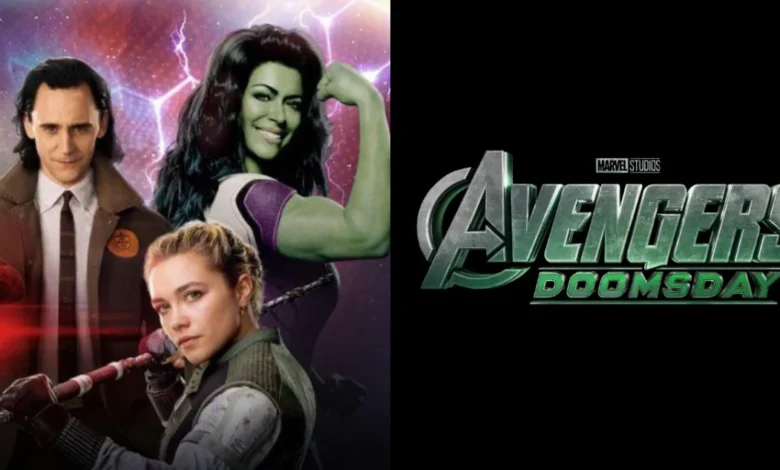
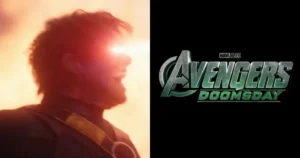
The Marvel Cinematic Universe is currently navigating a pivotal phase in its production cycle as Avengers: Doomsday moves into a period of scheduled reshoots. While the process of re-capturing or refining footage has become a standard, if not essential, component of modern blockbuster filmmaking, the specific details surrounding this latest production window have generated significant interest within the industry. Reports from established entertainment insiders, including DanielRPK, indicate that a quartet of high-profile actors—Florence Pugh, David Harbour, Ryan Reynolds, and Hugh Jackman—are involved in these ongoing sessions, signaling a strategic adjustment to the film’s narrative architecture ahead of its December 2026 theatrical release.
The Standard Practice of Blockbuster Reshoots
In the contemporary landscape of high-budget studio filmmaking, particularly within the superhero genre, reshoots are rarely indicative of failure. Instead, they are an expected line item in the production budget. Studios such as Marvel, Warner Bros., and Disney routinely allocate weeks, or even months, for "principal photography pick-ups" to refine pacing, adjust character arcs, or integrate new plot developments that arise during the lengthy post-production process.
For a project of the magnitude of Avengers: Doomsday, which serves as a critical bridge in the current Multiverse Saga, the stakes are elevated. The decision to bring back talent like Ryan Reynolds and Hugh Jackman suggests that Marvel Studios is looking to tighten the connective tissue between the standalone Deadpool & Wolverine success and the broader Avengers narrative. By fine-tuning these sequences, the studio aims to ensure that the transition into the film’s central conflict maintains the narrative momentum established in earlier phases.
Cast Involvement and Narrative Implications
The involvement of Florence Pugh and David Harbour, who reprise their roles as Yelena Belova and the Red Guardian respectively, hints at a deepening of the emotional stakes within the MCU. Having been introduced in Black Widow and further developed through various MCU entries, these characters have become central to the "New Avengers" roster. Their presence in these reshoots suggests that the creative team is likely focusing on the interpersonal dynamics of the team, ensuring that the human element of the story is as compelling as the spectacle-driven action sequences.
The reported involvement of Ryan Reynolds and Hugh Jackman presents a more complex narrative puzzle. Following their record-breaking appearance in Deadpool & Wolverine, the integration of these characters into the Avengers fold was widely anticipated. However, industry rumors suggest a bold creative choice: the potential "death" of these characters early in the narrative of Doomsday, only for them to return for the subsequent installment, Avengers: Secret Wars. If true, this structural choice would mirror classic comic book event tropes, where temporary character absences serve to raise the stakes of the immediate conflict before a grand-scale resolution.
A Chronology of the Multiverse Saga
To understand the weight of these reshoots, one must look at the timeline of the current Multiverse Saga. Since the conclusion of the Infinity Saga in 2019, Marvel Studios has faced the challenge of escalating threats while introducing new foundational characters.
- 2021–2022: The introduction of the Multiverse concept through projects like Loki, Spider-Man: No Way Home, and Doctor Strange in the Multiverse of Madness.
- 2023–2024: A period of strategic reassessment for the studio, marked by the release of Deadpool & Wolverine, which successfully bridged the gap between the Fox-owned X-Men legacy and the core MCU.
- 2025: The current production window for Avengers: Doomsday, characterized by intensive filming and now, these targeted reshoots.
- December 2026: The scheduled release date for Avengers: Doomsday.
- 2027: The anticipated release of Avengers: Secret Wars, which is expected to conclude this multi-year narrative arc.
The sequence of these events highlights a deliberate attempt by Marvel to culminate several years of character development into two back-to-back cinematic events. The reshoots are the final filter through which the script and the visual execution pass to ensure that the emotional payoffs for the audience are earned.

Supporting Data and Industry Context
The financial footprint of the Marvel Cinematic Universe remains unmatched in Hollywood. As of early 2025, the franchise has grossed over $30 billion globally. With such a significant capital investment, the pressure to deliver a cohesive product is immense. Reshoots for a film of this size can cost anywhere from $10 million to over $50 million, depending on the scope of the new photography.
When actors of the caliber of Hugh Jackman and Ryan Reynolds—who command significant scheduling fees and logistical requirements—are brought back to set, it underscores the studio’s willingness to invest heavily in final refinements. This is not merely an attempt to fix a broken scene; it is a calculated effort to elevate the film’s quality. Historically, some of the most acclaimed MCU films, including the original Avengers and Iron Man, underwent extensive reshoots that ultimately defined their final, successful form.
Official Stance and Industry Analysis
While Marvel Studios has not issued a formal press release regarding the specific content of the reshoots, this silence is standard operating procedure for a company known for its rigorous non-disclosure agreements. Publicly, the studio has maintained its commitment to the December 2026 release date, indicating that these sessions are well within the planned production schedule rather than an emergency response to a crisis.
From an analytical perspective, the strategy seems clear: Marvel is prioritizing character cohesion. By integrating legacy characters like Wolverine and Deadpool into the core MCU conflict, the studio is betting on the audience’s emotional attachment to these icons to anchor the complex, high-concept nature of the Multiverse. If the reshoots focus on tightening the script’s emotional resonance—specifically regarding the New Avengers roster and the weight of the coming threat—it suggests that the studio is prioritizing long-term narrative payoff over short-term spectacle.
Broader Impact on the MCU
The implications of these reshoots extend beyond a single film. The success of Avengers: Doomsday will likely dictate the tone and trajectory of the remainder of the Multiverse Saga. If the rumored narrative beats regarding character deaths and resurrections hold true, the film will set a precedent for how the studio handles its vast, ever-expanding roster of heroes.
Furthermore, the involvement of talent from outside the traditional Avengers lineup confirms the studio’s "all-hands-on-deck" approach to the finale of the saga. By blending characters from the Disney+ series, the Black Widow sub-franchise, and the former Fox-owned cinematic universes, Marvel is attempting to create a synthesis of twenty years of superhero storytelling.
As the production continues, fans and analysts alike will be watching for any further indicators of how these reshoots have altered the film’s trajectory. For now, the narrative remains centered on a high-stakes, multi-hero epic that is being meticulously crafted to serve as the definitive chapter of the current era. With the December 2026 premiere on the horizon, these final weeks of production are critical in ensuring that the final output aligns with the immense expectations placed upon the franchise.
The process of fine-tuning Avengers: Doomsday is a testament to the scale of modern tentpole production. Whether the outcome justifies the extensive labor remains to be seen, but the intent behind these efforts—to ensure a cohesive, impactful, and character-driven experience—is clear. As more details emerge from the set, the picture of what this film will look like continues to sharpen, pointing toward a monumental conclusion to the current era of Marvel cinema.
Related posts: