Underkeep is a masterclass in modernizing the classic grid-based dungeon crawler for a new generation of RPG enthusiasts

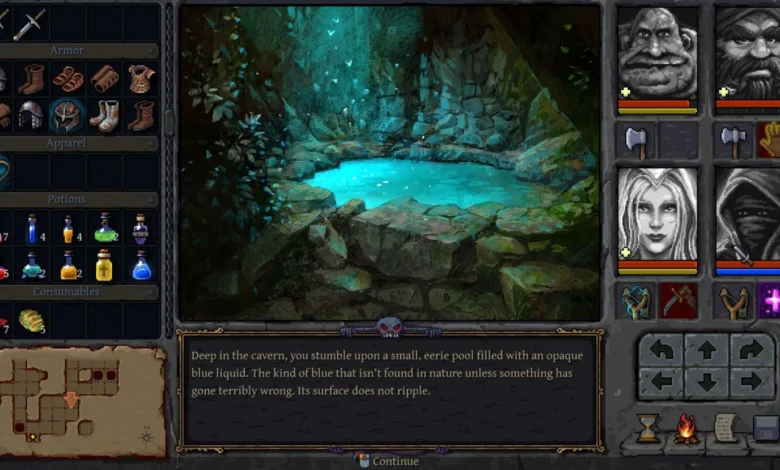
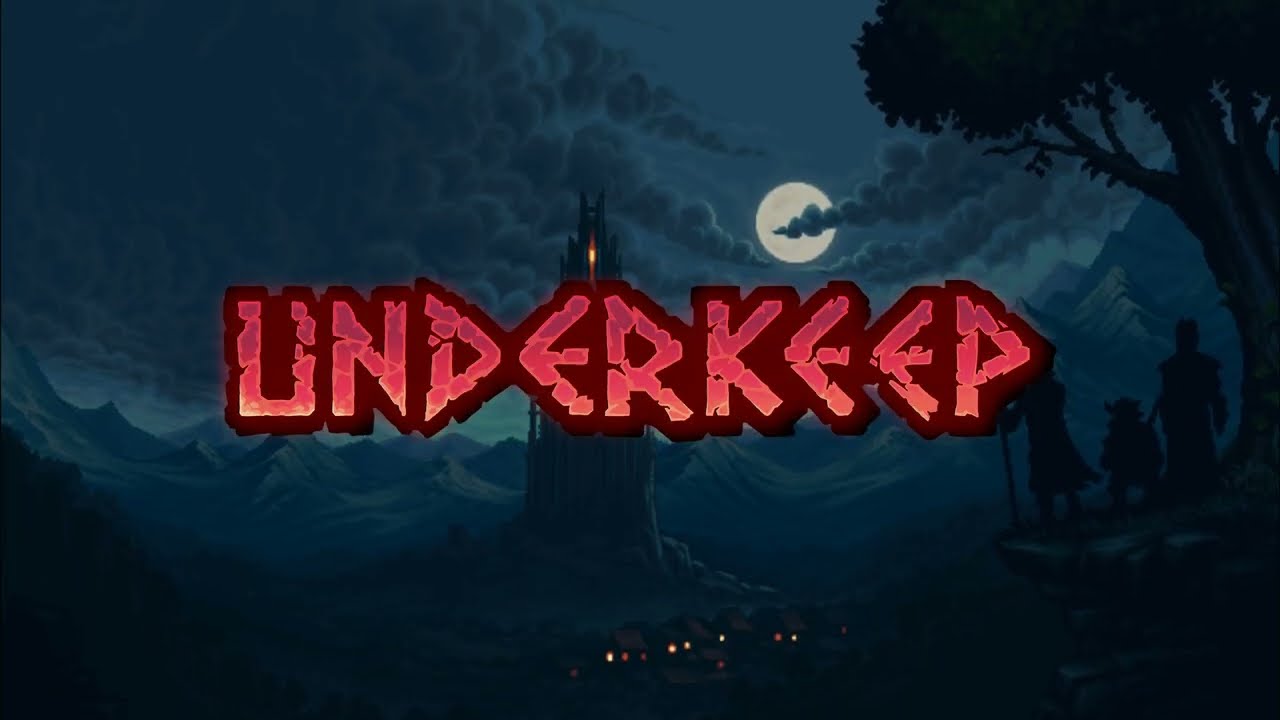
The release of Underkeep on November 5 has reignited interest in the grid-based dungeon crawler genre, a niche but dedicated corner of the gaming market that traces its lineage back to the foundational titles of the 1980s and early 1990s. Developed by Rake in Grass, the title has emerged as a significant point of discussion among role-playing game (RPG) enthusiasts, particularly those seeking a modern interpretation of mechanics popularized by legendary series such as The Bard’s Tale, Wizardry, and the Eye of the Beholder trilogy.
Context and Historical Significance
To understand the emergence of Underkeep, one must look at the historical evolution of the dungeon crawler. In the late 1980s and early 1990s, the "blobber" or grid-based movement RPG was a dominant format. These games relied on discrete, tile-based movement, static first-person environments, and complex party management. With the advent of fully 3D engines, the genre largely retreated into the shadows until the 2012 release of Legend of Grimrock, which demonstrated that modern audiences still possessed an appetite for the deliberate, tactical pacing of classic dungeon exploration.
Underkeep arrives at a time when the industry is seeing a resurgence in "boomer shooters" and retro-inspired RPGs. By leveraging familiar tropes—such as turn-based combat, party-based progression, and intricate level design—the developers have sought to bridge the gap between 30-year-old design philosophies and contemporary quality-of-life expectations.
Chronology of Development and Release
The development cycle for Underkeep culminated in a quiet but impactful launch on Steam on November 5. Prior to its full release, the title underwent a period of public testing via a condensed demo, which allowed the developers to gather feedback on user interface (UI) design and mechanical balance.
Following its release, the game garnered immediate attention for its adherence to a "hardcore" design ethos while simultaneously removing common friction points found in its predecessors. The launch was accompanied by a promotional window featuring a 15% discount, scheduled to conclude on November 19, positioning the title at a competitive $19.50 price point.
Mechanical Innovations and Design Philosophy
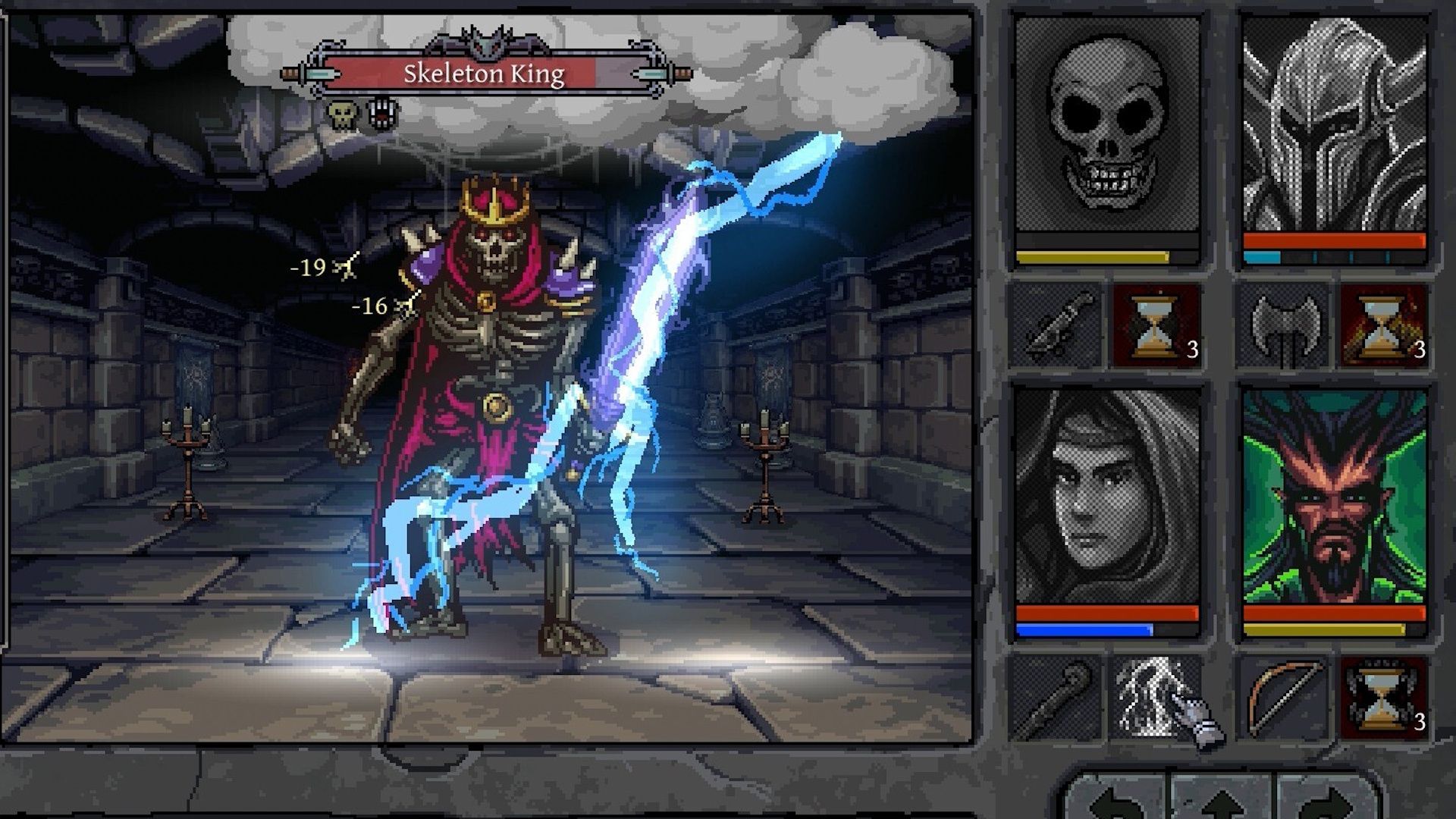
Underkeep differentiates itself from both its ancestors and its modern peers through several key mechanical choices. Chief among these is the transition from the real-time combat systems that defined games like Eye of the Beholder to a fully turn-based framework. This shift fundamentally alters the gameplay loop. In real-time dungeon crawlers, players often utilized "hit-and-run" tactics, exploiting the enemy’s movement speed to avoid damage. By enforcing a turn-based structure, Underkeep forces the player to engage with the tactical depth of the combat system, prioritizing positioning, resource management, and party synergy over twitch-based reflexes.
The inventory management system has also been overhauled. In older titles, inventory management was frequently a source of frustration, requiring constant manual sorting. Underkeep implements a categorized, shared inventory system that facilitates rapid equipment swaps. Furthermore, the game features a detailed automapping function that balances the traditional necessity of cartography with the reality of modern player expectations, allowing for user-added notes while removing the tedious nature of manual grid-drawing.
Character Customization and Narrative Scope
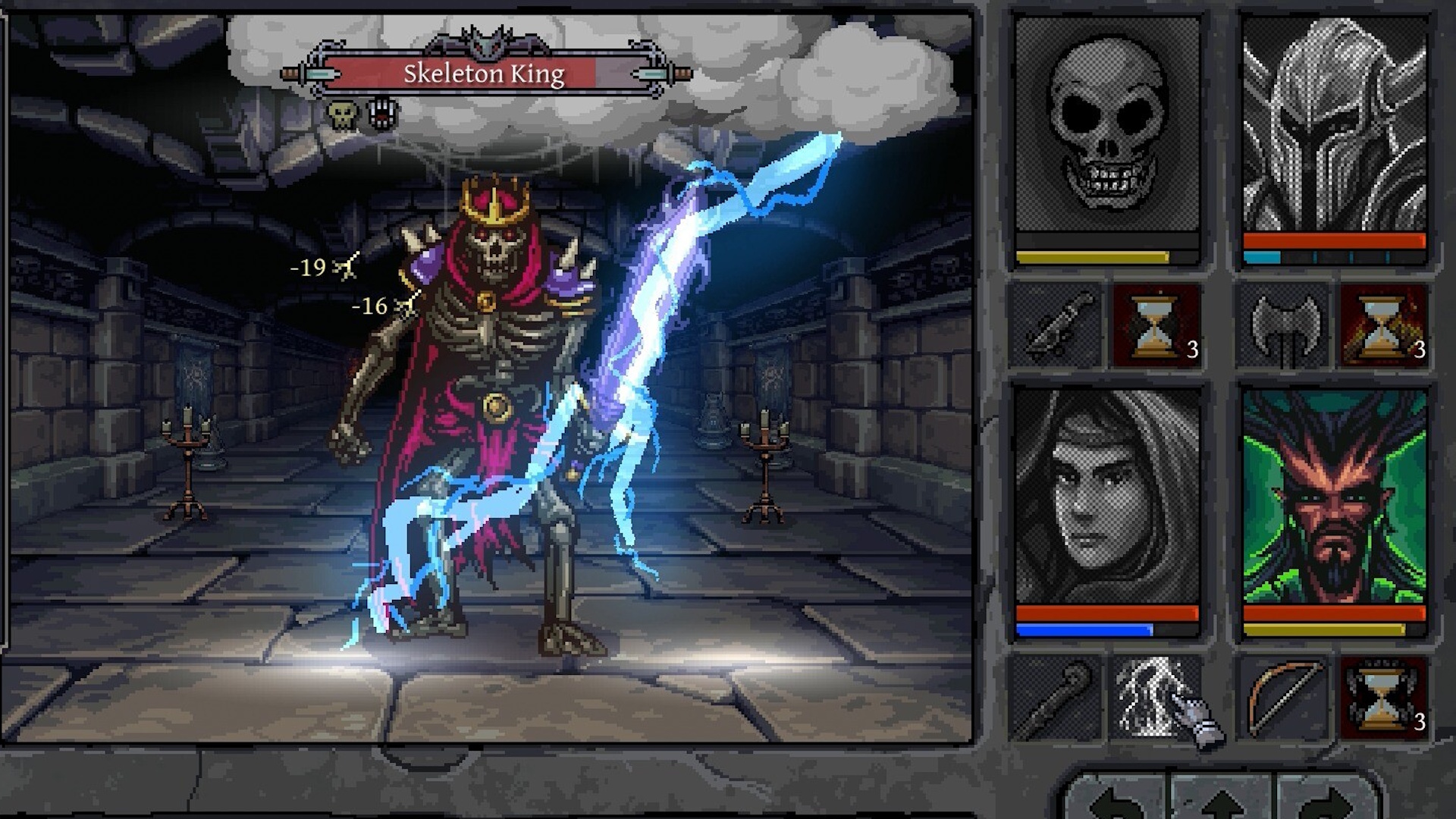
The game offers a diverse array of character options, blending standard fantasy archetypes—such as fighters and wizards—with more exotic, thematic races. The inclusion of the "Stoneborn" (golem-like entities) and "Slugmen" represents a creative departure from the standard human-elf-dwarf triad.
Notably, the system allows for flexible class-race combinations. A Stoneborn thief or a Slugman paladin, while mechanically unorthodox, provides players with a sandbox-style approach to team building. Additionally, the game incorporates a mutation system for specific races, such as the Ravens, which introduces unpredictable gameplay modifiers. These "mutations" add a layer of emergent narrative and mechanical depth, ensuring that no two playthroughs are identical.
Addressing Community Concerns Regarding Assets
Following its release, a segment of the player base expressed concerns on platforms such as the Steam Community forums regarding the origin of the game’s art assets. Speculation regarding the use of generative AI has become a common topic in the current gaming landscape, and Underkeep was not exempt from these debates.
In response, the developers, Rake in Grass, issued a formal clarification to address the skepticism. The studio stated that all artwork was hand-drawn by their internal team of artists. They attributed any perceived stylistic inconsistencies or "mixels"—artifacts that occur during the scaling of pixel art—to the use of dynamic scaling and 3D perspective simulation. This transparency has been critical in maintaining player trust, as the studio has consistently reiterated that no generative artificial intelligence was employed during the asset creation pipeline.
Analysis of Broader Market Implications
Underkeep serves as a case study for the sustainability of mid-sized, genre-specific development. By focusing on a "beefy," content-dense experience, the developers have managed to capture the attention of a demographic that is often underserved by AAA studios. The game’s success—or lack thereof—will provide data on whether there is a long-term viability for this specific sub-genre of RPGs when they are polished to modern standards.
From a market perspective, the success of Underkeep highlights a growing trend: the commodification of nostalgia. Players are no longer satisfied with simple graphical updates; they demand the same level of mechanical depth found in the 90s, but with the UX (User Experience) refinements of the 2020s.
Conclusion and Future Outlook
Underkeep is currently positioned as one of the most compelling entries in the grid-based dungeon crawler space in recent years. Its combination of tactical turn-based combat, deep customization, and a refusal to rely on outdated, frustrating mechanics suggests a thoughtful development process. As the game continues to reach a wider audience through post-launch updates and word-of-mouth, it will likely be viewed as a benchmark for how developers can honor the legacy of the 1990s while successfully iterating for the modern player.
For those interested in exploring the mechanics of Underkeep, the available demo remains an essential resource. It provides a roughly one-hour window into the game’s systems, offering a "highly compressed" look at the core loop without spoiling the scale of the full campaign. Whether the game will achieve the same long-term cult status as Legend of Grimrock remains to be seen, but its initial performance indicates that the dungeon-crawling sub-genre is far from extinct.