The Dance of the Dragons: A Comprehensive Recap and Preview of House of the Dragon Season Three

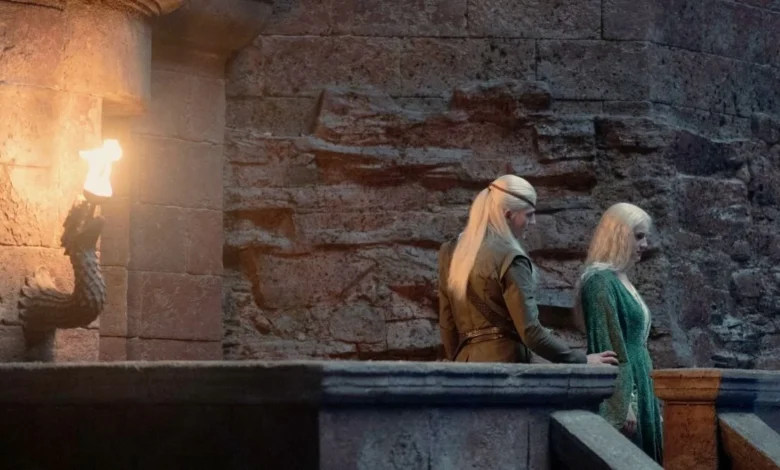
The fires of the Targaryen civil war, known as the Dance of the Dragons, have been smoldering, and as House of the Dragon prepares for its third season, a comprehensive understanding of the conflict’s current state is essential. This brutal war of succession, ignited by the death of King Viserys I Targaryen, has plunged Westeros into an era of unprecedented bloodshed and dragonfire. Taking place approximately 130 years after Aegon the Conqueror’s unification of the Seven Kingdoms, the Dance of the Dragons predates the events of A Knight of the Seven Kingdoms by nearly a century and Game of Thrones by approximately 170 years, painting a grim prelude to the future of Westerosi politics and warfare.

The Spark of Succession: The Seeds of Conflict
The core of the conflict lies in the disputed succession to the Iron Throne. King Viserys I, in his dying moments, failed to definitively solidify the claim of his chosen heir, his daughter Princess Rhaenyra Targaryen. His second wife, Queen Alicent Hightower, acting on what she believed were her husband’s final wishes and deeply ingrained political maneuvering, supported the coronation of their son, Aegon II Targaryen. This division fractured the realm and the once-united Targaryen dynasty, forcing lords and ladies alike to choose sides in a conflict that would redefine Westerosi history.
Rhaenyra’s Struggle and Strategic Resurgence
Season two found Rhaenyra’s faction, the "Blacks," in a precarious position, largely confined to Dragonstone. Rhaenyra herself was under immense pressure, her council often advising caution and limiting her direct involvement in combat due to the potential catastrophic consequences of her demise. The legitimacy of her claim, and by extension the claim of her son and heir, Jacaerys Velaryon, was a constant undercurrent of concern. Jacaerys, along with his younger brother, Prince Joffrey Velaryon, were born from Rhaenyra’s union with Ser Harwin Strong, making them technically bastard-born. While publicly acknowledged, this fact was a point of vulnerability that the Greens exploited. Rhaenyra also has two sons with her uncle and husband, Prince Daemon Targaryen: Aegon and Viserys.

In a bid to circumvent her strategic isolation, Rhaenyra turned to an unlikely advisor: Mysaria, known as the White Worm. This alliance, forged in the shadows, led to a cunning plan to sow dissent among the populace of King’s Landing, aiming to undermine Aegon II’s legitimacy and pave the way for Rhaenyra’s return to the capital. The growing reliance on Mysaria, a former paramour of Daemon, added another layer of complexity to Rhaenyra’s leadership.
Recognizing the need to bolster their military strength, Rhaenyra and Jacaerys initiated "The Red Sowing," a desperate measure to find new dragonriders. This call to arms, seeking individuals with Valyrian blood, resulted in a perilous trial where many perished. However, two significant figures emerged: Hugh Hammer, a bastard grandson of King Jaehaerys I, who claimed the formidable dragon Vermithor (second only to Vhagar in size), and Ulf the White, believed to be a bastard brother of Viserys and Daemon, who bonded with Silverwing. These additions significantly augmented Rhaenyra’s dragon contingent.

Further bolstering Rhaenyra’s forces was the unexpected claim of Seasmoke, the dragon once ridden by Laenor Velaryon, by Addam of Hull. In a significant departure from established lore, the show introduced the concept of dragons choosing their riders, adding a mystical element to the dragon-bonding process. Addam, a bastard son of Ser Corlys Velaryon, and his brother, the skilled seaman Alyn of Hull, found themselves thrust into the conflict. Despite a strained relationship with their absentee father, Corlys, the Hand of the Queen after the tragic death of his wife Rhaenys, eventually integrated Alyn into his naval command.
Corlys Velaryon, initially devastated by Rhaenys’s death, was persuaded by his granddaughter Baela Targaryen to continue his fight. Baela, who rides the dragon Moondancer and is betrothed to Jacaerys, rejected her grandfather’s offer to become heir to Driftmark, asserting her own warrior lineage. Her relationship with her father, Prince Daemon, remains fraught with tension, exacerbated by the death of her mother, Laena Velaryon, Daemon’s second wife.

Meanwhile, Baela’s sister, Rhaena, struggled to find her place. Unable to claim a dragon, she was sent to the Vale for protection. However, defying expectations, Rhaena sought out the wild dragon Sheepstealer, ending season two isolated and facing the harsh realities of the Vale’s mountains.
Prince Daemon, after a significant falling out with Rhaenyra on Dragonstone, journeyed to rally the lords of the Riverlands. He seized Harrenhal from Ser Simon Strong but alienated many lords by permitting Willem Blackwood to commit atrocities against the House Bracken. Within the haunted walls of Harrenhal, Daemon experienced disturbing nightmares and encountered Alys Rivers, a woman with an unsettling prescience. With Alys’s cryptic guidance and a decisive act against Willem Blackwood, Daemon secured the Riverlands’ allegiance for Rhaenyra.

A pivotal moment for Daemon occurred when Alys led him to a sacred weirwood tree, where he received visions of the Three-Eyed Raven, Daenerys Targaryen, and the White Walkers. This vision, coupled with the revelation of Aegon the Conqueror’s prophecy—the Song of Ice and Fire—about the existential threat from the North, prompted Daemon to abandon his personal ambitions for the throne and fully commit to Rhaenyra’s cause. The season two finale saw Daemon and Rhaenyra reunited, their focus sharpened by this newfound understanding of their ancestral duty.
The Greens’ Internal Strife and Strategic Blunders
On the opposing side, the Greens, led by King Aegon II, faced their own internal turmoil and strategic missteps. Aegon’s reign was immediately destabilized by the brutal assassination of his son and heir, Jaehaerys, by the assassins Cheese and Blood. In a fit of grief-stricken rage, Aegon ordered the massacre of all ratcatchers in King’s Landing. This cruel and indiscriminate act not only wasted the political capital painstakingly accumulated by his grandfather, Otto Hightower, but also alienated the populace, who were already blaming Rhaenyra for Daemon’s retaliatory actions.

The internal power struggle intensified when Aegon dismissed Otto Hightower as Hand of the King, appointing Ser Criston Cole in his stead. Cole, in conjunction with Prince Aemond Targaryen, began orchestrating military campaigns without Aegon’s direct input. Their surprise attack on Rook’s Rest resulted in the death of Princess Rhaenys and her dragon, Meleys, a significant victory for the Greens. However, Aegon’s own ill-advised arrival at the battle and a violent confrontation with his brother Aemond led to Aegon sustaining severe burns across half his body. He narrowly survived due to the ministrations of Grand Maester Orwyle. Larys Strong, the manipulative Lord of the Crossing, then facilitated Aegon’s clandestine escape from King’s Landing to protect him from Aemond, who harbored ambitions of his own to rule.
Ser Criston Cole, despite initial successes, began to lose hope after witnessing Aemond’s ruthless actions at Rook’s Rest, fearing an inevitable dragonfire reckoning. Otto Hightower, dismissed as Hand, vanished, prompting Aemond, now Prince Regent, to order Larys Strong to locate him. Otto was ultimately discovered imprisoned in a dark dungeon, his fate uncertain.

Prince Aemond’s efforts to recruit Queen Helaena Targaryen, Aegon’s sister-wife, into the war effort with her dragon Dreamfyre were met with refusal. Helaena, possessing prophetic "dreamer" abilities, foresaw doom for Aemond, echoing Alys Rivers’s earlier prophecy to Daemon about his eventual death at Harrenhal.
In a critical strategic move, Aemond dispatched Hand of the King Tyland Lannister to Essos to secure the Triarchy fleet for Aegon’s cause. Tyland negotiated with Admiral Sharako Lohar, a formidable warrior, securing an alliance that would pit the Triarchy’s naval might against Rhaenyra’s fleet, commanded by Ser Corlys Velaryon and his first commander, Alyn of Hull. This alliance comes at a time when the Triarchy’s power in the Narrow Sea, an area previously contested by Daemon and Corlys, is a significant factor.

Supporting Aegon’s war effort in the West is his uncle, Lord Ormund Hightower, accompanied by Aegon’s younger brother, Daeron Targaryen, who is marching from Oldtown. Conversely, Rhaenyra has secured crucial alliances. Lord Cregan Stark is dispatching veteran warriors to honor his oaths, preparing his forces for the coming winter, with passage south facilitated by Jacaerys’s earlier securing of House Frey’s support.
A Glimmer of Peace? Alicent’s Turnaround
In a surprising development, Queen Alicent Hightower, after a secret meeting with Rhaenyra in King’s Landing during season two, has undergone a profound shift. She realized that her dying husband, Viserys, spoke not of Aegon’s reign, but of the ancient prophecy concerning the existential threat of the dead from the North—the White Walkers. This revelation shattered Alicent’s conviction, leading her to question her lifelong service and allegiance. This disillusionment has had complex personal repercussions, impacting her relationships with Larys Strong and Ser Criston Cole.

The season two finale culminated in Alicent’s clandestine journey to Dragonstone to meet with Rhaenyra. In a desperate bid for peace and safety for herself and her daughter Helaena, Alicent proposed a radical solution: she would facilitate Rhaenyra’s entry into King’s Landing and deliver her own son Aegon’s head. This offer implicitly includes the death of Aemond, whose ambition poses a significant threat. Rhaenyra appears poised to accept this offer, but the broader implications for the rest of the warring factions remain to be seen.
The Road Ahead: Season Three and Beyond
As House of the Dragon heads into its third season, the stage is set for a dramatic escalation of the Dance of the Dragons. The alliances have been forged, the dragons have been claimed, and the political landscape is more volatile than ever. The internal fractures within the Greens, particularly the ambition of Aemond and the fate of Aegon, will undoubtedly play a crucial role. Rhaenyra’s consolidation of power, bolstered by new dragonriders and renewed focus from Prince Daemon, presents a formidable challenge.

The unexpected turn by Alicent Hightower introduces a critical wildcard. Her willingness to betray her own son in exchange for a semblance of peace raises questions about her ultimate motives and the potential for reconciliation, however fragile. The prophecy of the Song of Ice and Fire, now understood by both Rhaenyra and Daemon, suggests a larger, existential threat looming beyond the civil war, adding a layer of cosmic urgency to the human conflict.
The series, confirmed to conclude with its fourth season, is entering its penultimate outing. The decisions made in the coming episodes will not only determine the fate of the Targaryen dynasty but also the future of Westeros as a whole, and its preparedness for the ancient darkness foretold. The tension between the creator, George R.R. Martin, and showrunner Ryan Condal, reportedly strained by creative divergences, adds another layer of intrigue to the show’s future. The possibility of reconciliation between these key figures before the series concludes remains an open question, mirroring the uncertain future of the realm itself. The echoes of fire and blood are returning, and the realm braces for the inevitable conflagration.