Wizards of the Coast unveils the serene alternate cover for the 2024 Dungeons and Dragons Players Handbook

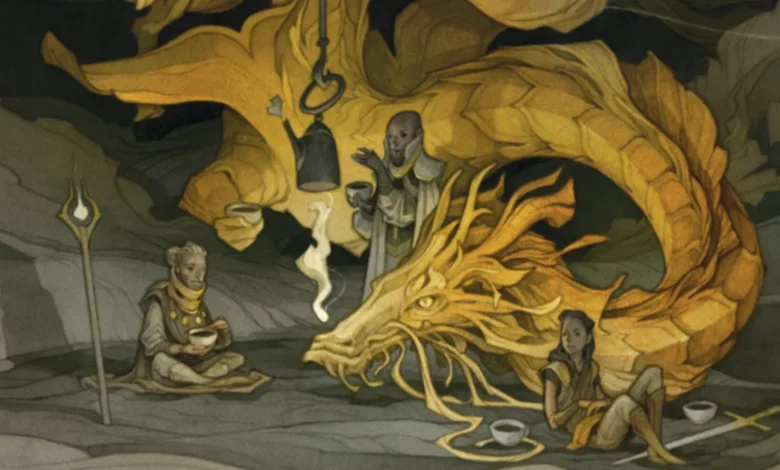
The landscape of tabletop roleplaying is poised for a significant transition as Wizards of the Coast prepares for the September 2024 launch of the revised Dungeons & Dragons core rulebooks. While the standard edition of the new Player’s Handbook emphasizes the high-octane combat and heroic confrontation that have become synonymous with the brand, the company has officially unveiled an alternate cover art piece that offers a strikingly different perspective. Created by acclaimed artist Wylie Beckert, this variant cover replaces the battlefield chaos of the standard edition with a moment of quiet camaraderie, signaling a deliberate effort by the publisher to capture the multifaceted nature of the hobby.
A Tale of Two Covers: Artistic Direction and Philosophy
The standard edition, illustrated by Tyler Jacobsen, leans heavily into the tropes of high fantasy action. It features iconic figures from the game’s deep historical lore—including the legendary Knight Strongheart, the dwarf warrior Elkhorn, and the elven Queen Yolande—engaged in a skirmish against a swarm of kobolds. This imagery is calculated to appeal to the widest possible demographic, reinforcing the brand’s reputation for tactical combat and epic stakes.
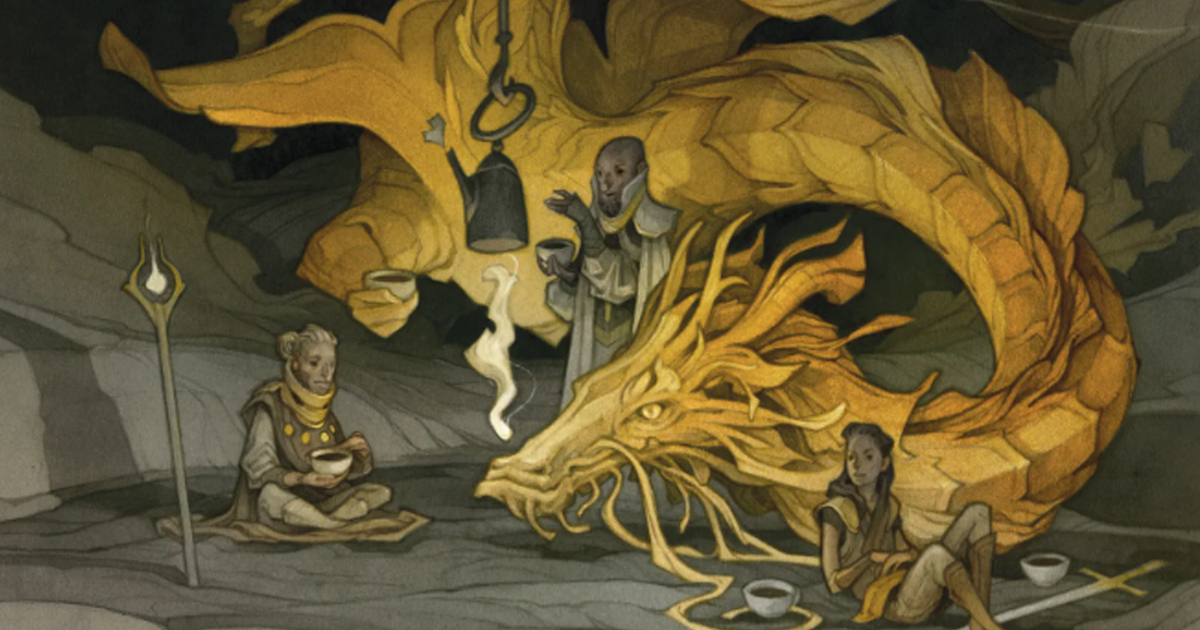
In sharp contrast, the alternate cover provided by Wylie Beckert shifts the narrative focus entirely. Beckert, who previously lent her unique stylistic sensibilities to the alternate cover of Tasha’s Cauldron of Everything, presents a scene of domestic tranquility. The illustration depicts a classic adventuring party—a wizard, cleric, fighter, and rogue—gathered in a cave, not to fight, but to share a pot of tea. The inclusion of a golden dragon, serving as an anchor between the two covers, is reimagined here in a gentle light, carefully balancing a teacup in its massive claw while a rogue perches comfortably nearby. This aesthetic choice highlights the "pillar of play" often overlooked by general audiences: the roleplaying, social interaction, and downtime that form the backbone of a successful D&D campaign.
Chronology of the 2024 Revision
The road to the 2024 Player’s Handbook has been a multi-year project, internally referred to for a long time as "One D&D." This initiative began in earnest following the 50th-anniversary celebrations of the franchise, with Wizards of the Coast seeking to refine the ruleset that has dominated the industry since 2014.
- August 2022: Wizards of the Coast officially announces the development of the next iteration of the D&D ruleset, inviting community feedback through a series of "Unearthed Arcana" playtest documents.
- 2023: Throughout the year, the design team releases comprehensive playtest packets, soliciting thousands of data points regarding class balance, feat structures, and spell adjustments.
- May 2024: Following the conclusion of the playtest cycle, the publisher confirms the final titles for the 2024 core rulebook trio: the Player’s Handbook, the Dungeon Master’s Guide, and the Monster Manual.
- Late May 2024: Official art reveals begin, starting with the standard Player’s Handbook cover, followed shortly by the alternate cover reveal.
- September 3, 2024: The early release window for the alternate cover begins, exclusively available through local hobby shops and game stores.
- September 17, 2024: The wide retail release of the standard Player’s Handbook.
Supporting Data and Market Context
The move to provide alternate cover art is a long-standing strategy for Wizards of the Coast, designed to bolster the collectible nature of the product line. These editions are primarily targeted at long-term hobbyists who view these books as luxury goods rather than simple utility tools.
Market data from the hobby gaming sector indicates that "collector’s editions" or "alternate covers" often see significantly higher secondary market value and serve as a crucial revenue stream for independent game stores. By gating the availability of the alternate cover to local retailers two weeks before the general release, Wizards of the Coast is actively incentivizing consumer traffic into physical brick-and-mortar locations. This "local store first" strategy is a response to the ongoing shift toward digital retail and online storefronts, aiming to support the community hubs that have historically sustained the D&D ecosystem.
Analysis of Implications for the Player Base
The shift in artistic tone between the two covers is more than a mere marketing aesthetic; it represents an acknowledgement of how the game is actually played at the table. While early editions of the game focused almost exclusively on dungeon crawling and monster management, modern D&D has evolved into a medium for long-form narrative storytelling.
The inclusion of the "tea party" scene on a primary product cover suggests that the design team is leaning into the "Social" and "Exploration" pillars of the game, rather than just the "Combat" pillar. By validating the quieter, roleplay-heavy sessions, Wizards of the Coast is signaling to its diverse player base that there is no single "correct" way to play. The game is as much about the shared experience of characters around a campfire as it is about the roll of a d20 in initiative.
Furthermore, this branding strategy allows the publisher to capture two distinct segments of the consumer market. The standard cover captures the "action-adventure" demographic—the casual players and those attracted to the cinematic potential of the game. The alternate cover, with its intricate, painterly style and serene subject matter, targets the "lore-enthusiast" and the "art-collector"—the players who prioritize the aesthetic and atmospheric qualities of their tabletop experience.

Official Stance and Community Reception
While Wizards of the Coast has not released a formal mission statement regarding the specific emotional intent of the alternate cover, the choice of artist is telling. Wylie Beckert’s style is known for its ethereal quality and attention to character-driven detail, moving away from the high-contrast, aggressive poses often found in fantasy gaming art.
Public reaction, tracked through forums and social media, has been largely positive. Many players have praised the "cozy" nature of the alternate cover, noting that it better reflects the actual experience of playing with friends. The community has frequently requested more art that captures the "between-adventure" moments, and this reveal appears to be a direct response to those sentiments.
The Future of the Brand
As the 2024 Player’s Handbook prepares for its September launch, the broader impact of this revision remains to be seen. The core ruleset is intended to be backward-compatible with the 2014 fifth edition, a move designed to prevent market alienation and ensure that players do not feel forced to abandon their existing libraries.
The dual-cover strategy is part of a larger plan to maintain engagement while modernizing the game. By offering a product that looks and feels like a classic, high-end tome, while simultaneously updating the internal mechanics to be more intuitive, Wizards of the Coast is attempting to bridge the gap between legacy players and a new generation of fans brought into the fold by streaming shows like Critical Role and the recent Dungeons & Dragons: Honor Among Thieves feature film.
Ultimately, the choice between the combat-ready standard cover and the introspective, tea-sipping alternate cover serves as an invitation. It tells the player that whether they are looking for a high-stakes battle against a horde of kobolds or a quiet moment of roleplay in a forgotten cavern, the 2024 Player’s Handbook is designed to hold the space for both. The release of these covers is not merely a logistical update; it is a declaration of the game’s identity in its sixth decade of existence.