Neopets Official Tabletop Roleplaying Game Set to Launch via Crowdfunding to Commemorate 25th Anniversary

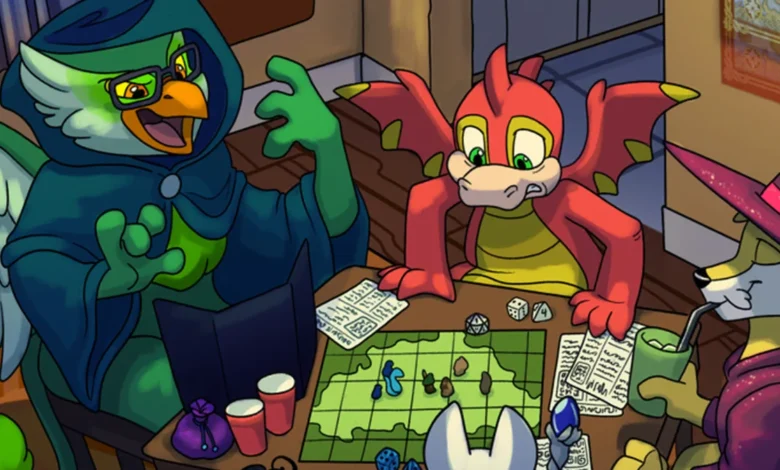
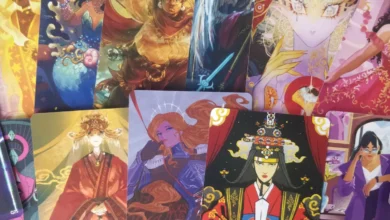
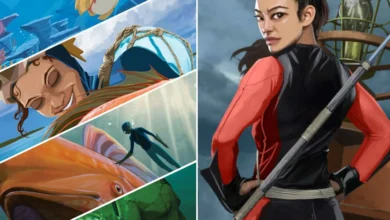
The world of Neopia is poised to expand beyond the digital confines of the web browser as Geekify, in partnership with World of Neopia Inc., prepares to launch an official tabletop roleplaying game (TTRPG). This development, timed to coincide with the iconic franchise’s 25th anniversary, marks a significant milestone in the evolution of the Neopets brand, transitioning a foundational pillar of early 2000s internet culture into the physical tabletop space. The project, which utilizes a D20-based mechanical system, aims to capture the whimsical, "fun and goofy" essence of the original website while offering a robust, class-less progression system for players.
A Quarter-Century of Digital Nostalgia
Launched in November 1999 by Adam Powell and Donna Williams, Neopets emerged at a pivotal moment in the history of the internet. It was one of the first massively multiplayer virtual pet sites to gain global traction, offering a persistent, living world where users could adopt creatures, manage their health and happiness, and participate in a player-driven economy.
The platform’s longevity is a rarity in the digital age. Having survived several ownership transitions—most notably its acquisition by Viacom in 2005 and its eventual transition to the independent entity World of Neopia Inc.—the brand has maintained a dedicated, multi-generational fanbase. The upcoming TTRPG serves as a strategic move to capitalize on this enduring nostalgia while introducing the lore of Neopia to a new generation of tabletop enthusiasts. The crowdfunding campaign, hosted on Kickstarter, is scheduled to commence on May 31, representing a shift toward physical media that aligns with the current resurgence of the tabletop hobby.
Mechanics and Gameplay Philosophy
The Neopets TTRPG departs from traditional, class-heavy roleplaying systems, such as those found in Dungeons & Dragons, in favor of a more flexible, feat-based structure. By utilizing a D20 gameplay system, the developers are prioritizing accessibility for casual players while maintaining enough depth for veteran tabletop gamers.
In this system, character creation is defined not by rigid archetypes, but by the selection of specific feats that double as functional skills. This design choice mirrors the "anything-goes" nature of the original website, where players could customize their virtual pets with a myriad of unique traits—ranging from feathered wings to specialized accessories. By allowing players to construct their characters from a modular set of abilities, the game empowers them to replicate the creativity inherent in the original pet-creation interface.
The game is designed to be episodic, with a series of campaign modules planned to support the core rulebook. The debut module, The Fall of Faerieland, promises to immerse players in one of the most significant narrative arcs in the franchise’s history. This structure suggests that the publisher, Geekify, intends to treat the TTRPG as a long-term platform rather than a one-off product release.

Chronology of the Neopets Brand
The journey from a simple browser-based pet simulator to a multifaceted media franchise is marked by several key turning points:
- 1999: Neopets launches, rapidly becoming a cultural phenomenon.
- 2005: Viacom acquires Neopets for $160 million, signaling the brand’s mainstream commercial potential.
- 2014: JumpStart Games acquires the franchise, shifting the focus toward educational gaming and mobile integration.
- 2023: World of Neopia Inc. takes control of the property, initiating a brand revival that prioritizes community engagement and nostalgic content.
- 2024: The announcement of the official tabletop roleplaying game to celebrate the brand’s 25th anniversary.
Throughout these transitions, the core gameplay loop—caring for virtual pets, participating in the "Battledome," and engaging with the player-driven economy—has remained the heart of the experience. The expansion into tabletop gaming is the latest in a series of diversification efforts, including mobile titles like Neopets: Faerie’s Hope and Neopets: Tales of Dacardia.
Market Implications and Industry Context
The TTRPG industry has seen unprecedented growth over the last five years, bolstered by the success of live-play shows and the COVID-19 pandemic, which saw a surge in interest for social, screen-free gaming. By entering this market, Neopets is tapping into an audience that values tactile, narrative-driven experiences.
From a business perspective, the decision to use a crowdfunding model serves two purposes. First, it mitigates the financial risk associated with the printing and distribution of physical books and game components. Second, it acts as a marketing barometer. By gauging the level of "backer" support on Kickstarter, World of Neopia Inc. can validate demand for future expansions and physical merchandise, such as custom dice, miniatures, and character sheets.
The choice of Geekify as a publishing partner is also noteworthy. Known for their work in high-quality licensed merchandise and tabletop accessories, their involvement suggests a high production standard for the game. For the brand, this is an opportunity to monetize a deeply loyal fanbase that has grown up alongside the website.
Official Stance and Community Reception
While specific statements from the development team have been brief, the overarching sentiment is one of celebration. The team has emphasized that the game’s primary goal is to translate the "goofy" and "fun" nature of the website into a cooperative format. For many players, the appeal of the TTRPG lies in the prospect of exploring the diverse regions of Neopia—from the pirate-themed Krawk Island to the prehistoric landscapes of Tyrannia—in a way that feels more personal than a browser-based clicker.
The reaction from the Neopets community, often found on forums and social media, has been largely positive. Long-time players have expressed excitement about the prospect of using the Battledome mechanics in a tabletop setting. However, analysts note that the success of the project will depend on the game’s ability to balance the complex, often chaotic lore of Neopia with a coherent rule set that does not alienate newcomers to the TTRPG genre.

Broader Impact: The "Nostalgia Economy"
The move into the tabletop space is a textbook example of the "nostalgia economy," where established brands leverage the formative memories of their audience to drive new product categories. As Generation Z and Millennials move into their peak spending years, brands that defined their childhoods are finding success by pivoting toward premium physical products.
Furthermore, this expansion represents a pivot in how intellectual properties are managed. Rather than keeping the Neopets brand confined to web-based experiences, World of Neopia Inc. is treating the franchise as a "transmedia" property. If the TTRPG proves successful, it is highly probable that other physical media, such as board games, card games, or even long-form fiction, could follow.
Conclusion: Looking Ahead
As the May 31 Kickstarter launch approaches, the anticipation surrounding the Neopets TTRPG is palpable. The project stands at the intersection of a legacy brand and a booming hobbyist market. By focusing on a class-less, feat-based D20 system, the developers have positioned the game to be both approachable and expansive.
Whether the game will successfully capture the lightning-in-a-bottle magic of the original 1999 website remains to be seen. However, the commitment to celebrating 25 years of history through an interactive, tabletop format suggests that the creators are deeply invested in the longevity of the franchise. For fans who grew up feeding their digital pets and navigating the economy of Neopia, this new tabletop venture offers a compelling reason to return to the world they once called home—only this time, with dice in hand.
The success of The Fall of Faerieland and subsequent modules will likely dictate the future of the tabletop line. As the industry watches closely, the project serves as a test case for how legacy digital properties can effectively transition into the physical world, proving that even a 25-year-old virtual pet can find new life in the hands of a dedicated community.