City of Six Moons Redefines Tabletop Complexity with Rulebook Written Entirely in Alien Hieroglyphs

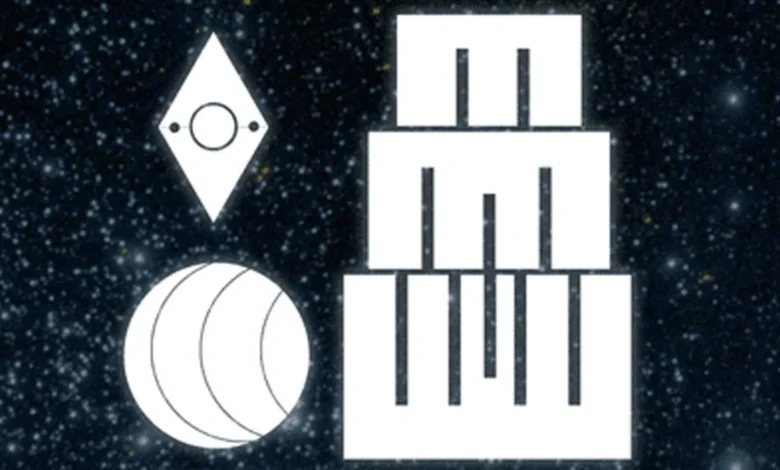
The landscape of modern tabletop gaming is often defined by a pursuit of clarity, accessibility, and streamlined user experiences. However, the upcoming release of City of Six Moons, a solo board game designed by Amabel Holland and published by Hollandspiele, seeks to subvert these industry standards entirely. In a bold departure from traditional game design, Holland has crafted a title where the primary obstacle is not the gameplay itself, but the medium through which the gameplay is communicated. The game’s rulebook is written entirely in a fictional alien language, consisting of cryptic icons, glyphs, and symbols that the player must decipher without the aid of a translation key or external assistance.
This experimental approach transforms the act of learning the game into a central mechanic of the experience. According to the designer, City of Six Moons is intended to function as if it were a literal artifact from an extraterrestrial civilization—a "found object" that makes no concessions to human linguistic patterns or cultural logic. The challenge presented to the player is twofold: they must first unlock the syntax and semantics of the alien script, and subsequently apply that understanding to manage the fortunes of the civilization depicted within the game.
The Philosophy of Inaccessible Design
The core premise of City of Six Moons rests on a fundamental rejection of the "tutorialized" experience common in contemporary gaming. Amabel Holland, known for her avant-garde and often politically charged designs, has stated that the game is intended to be a "functional, replayable game" once the rules are understood. However, the journey toward that understanding is fraught with intentional ambiguity. Players are expected to draw upon their own cultural assumptions and, perhaps more importantly, recognize where those assumptions fail when confronted with an alien worldview.
Holland has publicly confirmed a strict "no-interference" policy regarding the game’s mechanics. In a move that has sparked significant discussion within the hobbyist community, she has stated that she will refuse to answer any questions regarding the rules or the translation of the glyphs. This creates a unique environment where the player’s interpretation becomes their reality. If a player misinterprets a symbol and plays the game "incorrectly," there is no official arbiter to correct them. The designer’s intent is for the player to exist in a state of perpetual uncertainty, never truly knowing if they have mastered the alien logic or if they are merely projecting their own biases onto the symbols.
Chronology of Development and Announcement
The announcement of City of Six Moons follows a period of increasing experimentation within the "indie" sector of the board game industry. Hollandspiele, the publisher co-owned by Amabel and Mary Holland, has built a reputation for producing niche, high-concept titles that often tackle complex historical or philosophical themes.
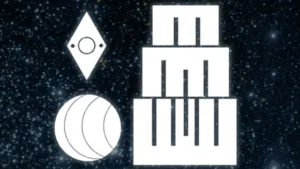
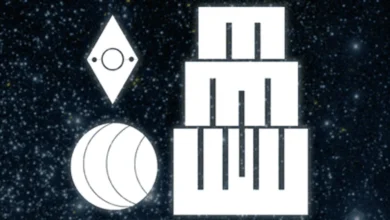
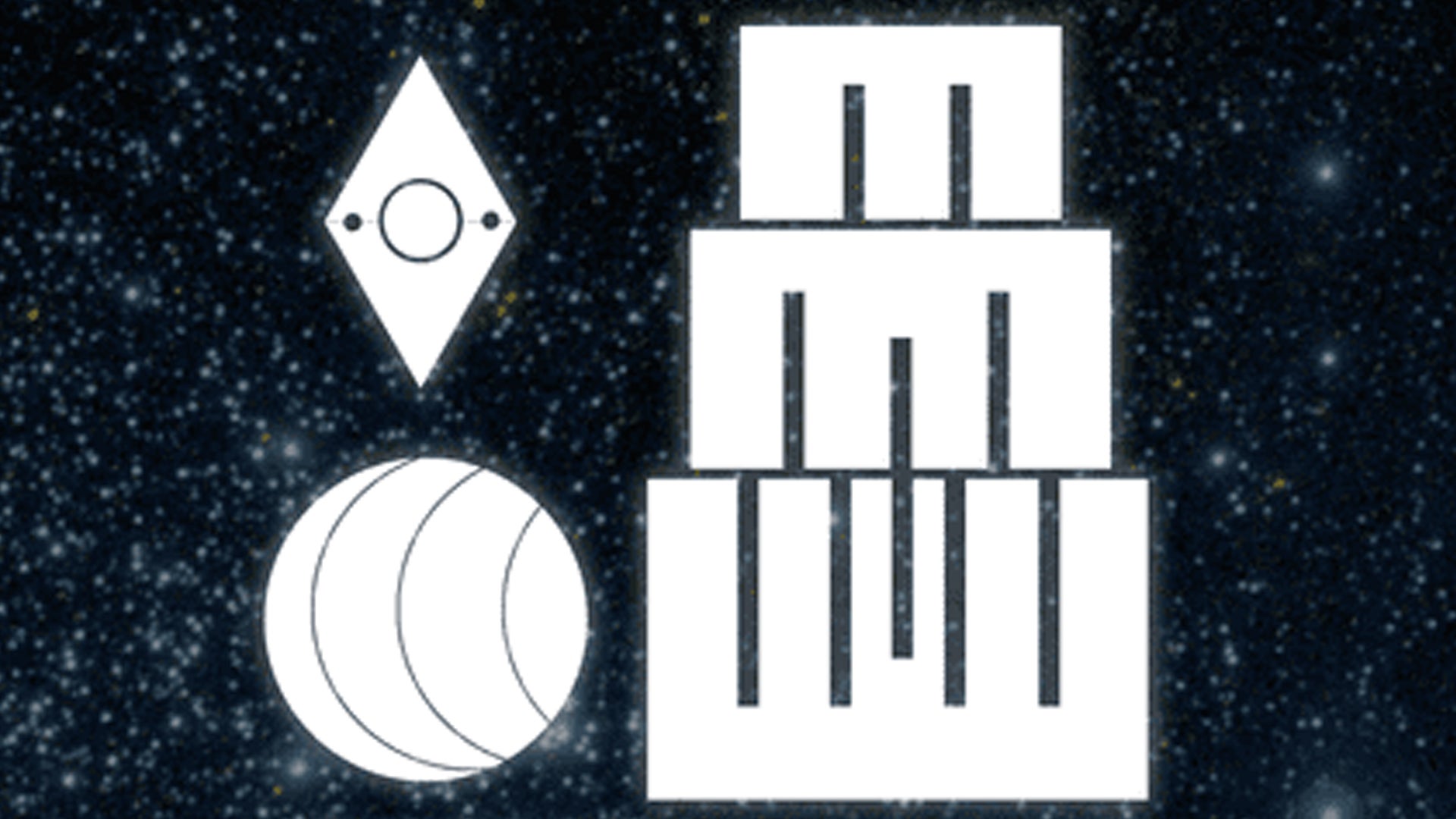
The timeline of the project’s public reveal began in early 2024, when Holland began dropping hints about a "linguistic puzzle" project on social media platforms like Bluesky. On May 15, 2024, the game was officially listed on the Hollandspiele "Coming Soon" page, accompanied by a brief but provocative description. The cover artwork was subsequently released, featuring a minimalist aesthetic and a series of geometric icons that enthusiasts have already begun to analyze for potential clues.
The game is currently scheduled for a June 2024 release. Unlike many modern board games that rely on lengthy Kickstarter campaigns and years of "stretch goal" development, Hollandspiele typically operates on a direct-to-consumer model with shorter lead times, ensuring that the mystery of City of Six Moons will be in the hands of the public within weeks of its formal announcement.
Linguistic Decipherment as a Gameplay Mechanic
While City of Six Moons is a tabletop title, it draws inspiration from a lineage of "obfuscated" games across various media. In the digital realm, titles such as Tunic and Chants of Sennaar have recently garnered critical acclaim for using fictional languages to gate-keep progress and deepen immersion. Tunic, in particular, featured an in-game manual written in a runic script that players had to decode to understand basic mechanics like "saving" or "leveling up."
City of Six Moons takes this concept further by removing the digital safety net. In a video game, the code enforces the rules even if the player doesn’t understand the text. In a board game, the player is the engine. If the player cannot read the rules, the game cannot function. This places a heavy cognitive load on the user, requiring a level of dedication rarely seen in the hobby.
The components included in the box are expected to be as cryptic as the manual. While specific details regarding the pieces have been kept under wraps, it is anticipated that the board, cards, and tokens will be devoid of any English text, relying entirely on the iconographic system established in the rulebook. This creates a cohesive, albeit daunting, aesthetic experience that mimics the discovery of a Voyager-style golden record from another world.
The Solo Gaming Market and the "Arthouse" Board Game
The release of City of Six Moons arrives at a time when solo board gaming is experiencing unprecedented growth. According to data from the 2023 Tabletop Industry Report, solo play has transitioned from a niche hobby to a primary mode of consumption for over 30% of the board gaming community. This shift was largely accelerated by the global pandemic, which forced players to find engaging experiences that did not require a group.
Within this growing market, there is an increasing demand for "prestige" or "arthouse" games—titles that prioritize artistic expression and experimental mechanics over mass-market appeal. Hollandspiele has positioned itself as a leader in this space. By creating a game that is intentionally difficult to even start, Holland is targeting a specific subset of the "soloist" community: those who view gaming as a form of intellectual labor and discovery rather than mere entertainment.
Designer Insights: The Value of Loss
One of the most striking aspects of Holland’s commentary on the game is her focus on the "loss" that occurs once the language is finally decoded. On social media, Holland noted that the mystery of the game is a finite resource. Once a player understands the rules, the "alien-ness" of the artifact evaporates, replaced by a standard, functional game.
"That loss is a thing I want you to feel; I want it to linger," Holland stated. This philosophy aligns with the concept of "legacy" games, where components are destroyed or permanently altered, but applies it to the player’s own mind. The transition from ignorance to understanding is a one-way street, and Holland suggests that the most profound part of the experience is the moment just before the pieces click together—the state of being truly lost in an alien culture.
Analysis of Implications for Game Design
The release of City of Six Moons may signal a shift in how designers approach the "onboarding" process. For decades, the goal has been to reduce "friction"—the barriers between a player opening a box and starting their first turn. City of Six Moons is a game built entirely out of friction.
This approach challenges the "customer service" model of game design, where the designer is expected to be an available resource for clarification. By stepping back and refusing to answer questions, Holland restores a sense of mystery and authority to the physical object. It forces players to communicate with one another, forming communities to share theories and translations, much like the real-world cryptographers who study the Voynich Manuscript or the Rongorongo script.
Furthermore, the game serves as a commentary on the nature of rules themselves. In many ways, all rulebooks are "alien" until they are internalized. By literalizing this metaphor, City of Six Moons highlights the social contract inherent in tabletop gaming: the agreement that certain symbols and procedures represent a shared reality.
Expected Reception and Market Impact
Industry analysts expect City of Six Moons to be a polarizing release. For a segment of the "hardcore" gaming community, the prospect of a true linguistic puzzle is a highly anticipated challenge. For others, the intentional lack of clarity may be seen as a gimmick that obstructs the actual game hidden beneath the code.
However, from a marketing perspective, the "unsolvable" nature of the game has already generated significant "word-of-mouth" buzz. In an era of algorithmic discovery, a product that refuses to explain itself stands out. Hollandspiele’s decision to limit the game to a single-player experience is also strategic, as it prevents "alpha gaming" (where one player dictates the rules to others) and ensures that each player’s struggle with the language is personal and unmediated.
As the June release date approaches, the tabletop community remains watchful. Whether City of Six Moons becomes a landmark in experimental design or a curious footnote in the history of solo gaming, it has already succeeded in its primary goal: making the act of reading a rulebook the most talked-about event in the industry. For those brave enough to attempt the translation, the "City of Six Moons" awaits—provided they can find the key to its gates.
Related posts: