Dungeons and Dragons 2024 Rulebooks Celebrate Five Decades of Lore with Iconic Legacy Characters

The upcoming launch of the 2024 edition of Dungeons & Dragons marks a significant milestone in the history of tabletop gaming. As the world’s most popular roleplaying game approaches its 50th anniversary, publisher Wizards of the Coast has confirmed that the new core rulebooks—the Player’s Handbook and the Dungeon Master’s Guide—will serve as a visual bridge between the game’s foundational roots and its modern iteration. By featuring classic heroes and infamous villains from throughout the game’s storied past, the new artwork aims to ground the updated ruleset in the rich, multi-generational lore that has defined the hobby since 1974.
A Visual Homage to D&D History
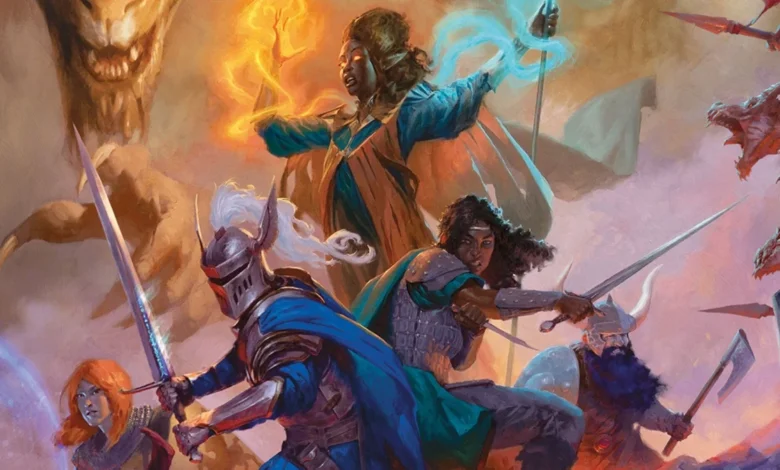
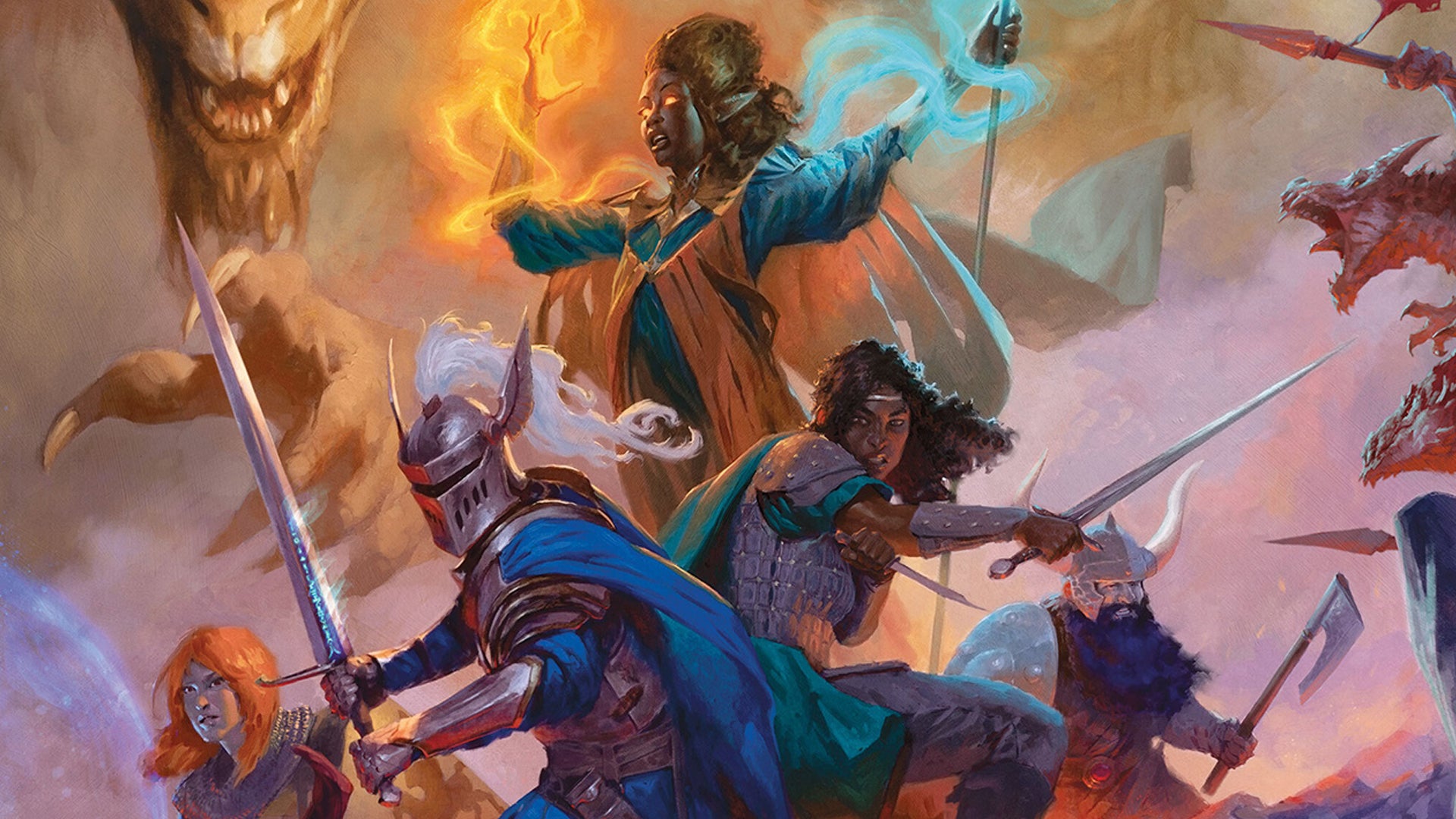
The cover art for the 2024 Player’s Handbook, illustrated by Tyler Jacobson, serves as a tapestry of D&D legacy. It prominently features characters who have appeared in various modules, fiction, and even merchandise lines dating back to the 1980s. Among the figures gracing the cover is Yolande, the Elven Queen of Celene, a character deeply entrenched in the Greyhawk setting. Her inclusion signals the publisher’s intent to weave the classic Greyhawk mythology into the modern game’s presentation.
Joining the Queen on the cover is the legendary knight Strongheart, the founder of the heroic adventuring party known as Valor’s Call. Strongheart is perhaps most widely recognized by veteran players from his prominent role in 1980s D&D action figure lines and classic adventure modules like Quest for the Heartstone (1984) and The Shady Dragon Inn (1983). Alongside him are fellow Valor’s Call members: Elkhorn the Dwarf Warrior, a staple of early D&D lore; the non-deific cleric Mercion; and the nimble, good-hearted thief Molliver. These characters are not merely decorative; they represent the archetypal "heroic" spirit that has been the hallmark of Dungeons & Dragons for half a century.
Chronology of a Legacy: From Toy Lines to Modern Manuals
The evolution of these characters from plastic action figures and niche supplement characters to the faces of the 2024 core rulebooks reflects a broader strategy by Wizards of the Coast to unify the brand’s disparate historical elements.
In 1983, the D&D toy line introduced many of these characters to a generation of children who were just beginning to engage with fantasy tropes. By the time these figures were integrated into the 5th Edition adventure The Wild Beyond the Witchlight, they had already cemented their status as "deep cut" icons for long-term fans. The inclusion of Molliver, who is now identified as non-binary, highlights the publisher’s commitment to updating legacy characters to reflect contemporary sensibilities while maintaining the core identities established decades ago.
The rollout schedule for these publications is timed to coincide with the game’s golden anniversary:
- September 17, 2024: Release of the Player’s Handbook, focusing on player-facing mechanics and the heroic archetype.
- November 12, 2024: Release of the Dungeon Master’s Guide, shifting the focus to world-building and antagonist design.
- February 19, 2025: Release of the Monster Manual, providing a comprehensive catalog of the adversaries that populate the D&D multiverse.
Thematic Focus: Heroes and Villains
Studio art director Josh Herman has emphasized that the new books will utilize a diverse range of artistic styles to reflect the vastness of the D&D multiverse. According to Herman, the decision to dedicate significant portions of the books to character-driven art was intentional. "Almost every chapter opening features a different hero, or group of heroes in a different setting," Herman noted. This includes aesthetic nods to iconic campaign settings such as the high-fantasy world of Dragonlance and the gothic, horror-infused landscapes of Ravenloft.
While the Player’s Handbook focuses on the protagonists, the upcoming Dungeon Master’s Guide will pivot to the darker side of the lore. Herman confirmed that the guide will be "all about villains," offering DM’s a resource that highlights both famous antagonists and the legendary locations where they reside. By cataloging these threats, the book aims to provide Dungeon Masters with a clearer framework for creating compelling conflicts, drawing upon decades of established rivalry—such as the long-standing enmity between the knight Strongheart and the iconic, skull-faced villain, Warduke.
Implications for the Tabletop Ecosystem
The decision to heavily feature legacy characters carries significant weight for the brand. For many players, the 2024 edition represents a refinement rather than a total reinvention of the 5th Edition ruleset. By anchoring these rules in familiar faces, Wizards of the Coast is signaling a "continuity of experience."
From a market perspective, this approach serves two purposes. First, it satisfies the "nostalgia market," which is a significant portion of the tabletop gaming community that has been playing since the AD&D or Basic D&D eras. Second, it provides a curated entry point for new players. By presenting these characters as the standard-bearers of the game, the publisher creates a clear lineage that new players can explore if they wish to dive deeper into the game’s extensive history.
Furthermore, the integration of these characters suggests a more cohesive narrative approach to the core rulebooks. In previous editions, rulebooks were often strictly instructional, with art serving as secondary decoration. The 2024 manuals appear to be shifting toward a "lore-first" approach, where the art and the mechanics are inextricably linked. This may influence how future supplements are designed, potentially leading to more setting-agnostic modules that still utilize recognizable characters to create a sense of scale and history.

Supporting Data and Industry Context
The tabletop RPG market has seen unprecedented growth over the last five years, with Dungeons & Dragons remaining the industry leader. Industry reports suggest that the 5th Edition (first released in 2014) grew the player base by millions, largely fueled by the advent of live-play shows, streaming platforms like Twitch and YouTube, and the global shift toward hobby-based social engagement.
The 2024 revision serves as a strategic "refresh" intended to capitalize on this massive influx of new players. By aligning the ruleset with the 50th-anniversary celebration, Wizards of the Coast is effectively resetting the cycle, encouraging players to reinvest in the core texts while reinforcing the brand’s identity as a legacy franchise. The inclusion of specific, deep-lore characters is a calculated effort to maintain the cultural cachet of D&D as a "prestige" hobby with a weight of history that newer competitors, regardless of their mechanical innovations, cannot easily replicate.
Conclusion: A Foundation for the Next Half-Century
As the release dates for the 2024 core rulebooks approach, the focus remains on balancing innovation with preservation. The inclusion of figures like Yolande, Strongheart, and the Warduke suggests that the future of Dungeons & Dragons will continue to be built upon the foundations laid by its predecessors. By elevating these legacy characters to the cover, Wizards of the Coast is not only acknowledging the 50-year journey of the game but is also ensuring that the stories, settings, and conflicts of the past remain central to the experiences of the players of tomorrow.
Whether through the heroic deeds outlined in the Player’s Handbook or the complex, villain-driven scenarios promised for the Dungeon Master’s Guide, the upcoming publications are set to be more than just rulebooks; they are a celebration of a medium that has successfully transitioned from a niche hobby to a global cultural phenomenon. As the industry watches the rollout of these manuals, the emphasis will be on whether this blend of legacy storytelling and modernized mechanics can effectively sustain the momentum that Dungeons & Dragons has enjoyed for the past decade.