Has Daredevil by Stephanie Phillips and Lee Garbett Become Marvel Comics’ Surprise Answer to DC Comics’ Absolute Batman?

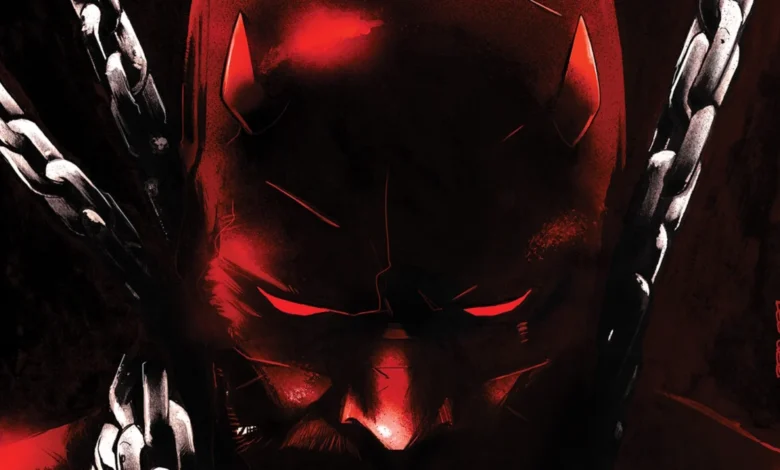
The comic book industry is currently witnessing an extraordinary and somewhat unprecedented sales phenomenon with Marvel Comics’ latest iteration of Daredevil, helmed by writer Stephanie Phillips and artist Lee Garbett. This series has rapidly distinguished itself through a remarkable pattern of multiple printings for its initial issues, a rarity for Marvel in recent memory, prompting industry observers to draw parallels with the highly successful launches of Image Comics’ Transformers (part of the Energon Universe) and DC Comics’ Absolute Batman (which initiated the Absolute Universe). The sustained demand for single issues, rather than relying solely on collected editions, signifies a potential shift in market dynamics and Marvel’s approach to popular titles.
The Unprecedented Reprinting Phenomenon at Marvel

The sales trajectory of the new Daredevil series is nothing short of exceptional. Daredevil #1, which launched with significant fanfare, has now gone to an impressive fifth printing. This robust initial demand has not tapered off, as subsequent issues continue to rack up additional printings: Daredevil #2 is now on its fourth printing, Daredevil #3 on its third, and Daredevil #4 has entered its second printing phase. Adding to this remarkable run, Daredevil #5 is currently at Final Order Cutoff (FOC), indicating strong initial orders and anticipation from retailers. This consistent need for reprinting across multiple early issues is a pattern typically associated with breakout hits that capture immediate and enduring reader interest, a phenomenon not commonly seen with Marvel Comics’ titles in recent years. Historically, Marvel, like many major publishers, often opts to push towards collected editions (trade paperbacks or hardcovers) relatively quickly once initial single-issue demand subsides, making this sustained commitment to keeping individual issues in print a notable departure.
Contextualizing Marvel’s Sales Strategy
For many years, the comic book market has operated on a model where the initial print run of a single issue serves primarily to gauge immediate interest, with the long-term profitability often tied to the sales of collected editions. This strategy allows publishers to minimize warehousing costs and consolidate content for new readers or those who prefer a binge-reading experience. However, the Daredevil situation suggests a different approach, one that prioritizes capitalizing on ongoing single-issue demand.

The launch of Daredevil #1 was undeniably boosted by Marvel’s "Marvel Comics #1 second blind bag programme," a marketing initiative designed to create buzz and drive speculative purchases for debut issues. This program involved polybagging the first issue, often with variant covers or other incentives, encouraging consumers to buy without knowing the exact cover they would receive. While effective in generating substantial initial sales for many titles, the challenge lies in maintaining that momentum for subsequent issues. In the case of Daredevil, the initial "big launch" translated into sustained reader engagement, with sales for issues #2, #3, and #4 holding up significantly better than typical post-launch drops. This sustained performance indicates that the initial hype successfully converted into genuine reader loyalty and enthusiasm for the ongoing narrative.
Echoes of Success: The "Absolute" and "Energon" Precedents
The industry comparison points for Daredevil‘s success are particularly illustrative. Image Comics’ Transformers, which kicked off the Energon Universe, experienced an explosive launch driven by a beloved intellectual property and a fresh creative direction. Its initial issues also saw multiple printings as fan excitement translated into consistent purchasing. The Energon Universe’s strategy focused on building a new shared continuity from the ground up, attracting both long-time fans and new readers, and its sustained print runs reflected a healthy, organic market response to this ambitious undertaking.

Similarly, DC Comics’ Absolute Batman, which launched the Absolute Universe, quickly established itself as a flagship title. Absolute Batman leveraged the enduring popularity of its iconic character and delivered a critically acclaimed, market-driving narrative. The "Absolute Universe" moniker itself implies a bold, definitive take on the character, designed to draw in a wide audience. The original article notes that while Daredevil doesn’t currently match the sales heights of Absolute Batman, it does align with Absolute Batman‘s sales performance at a comparable point in its publication history. This comparison is significant because Absolute Batman went on to become a major commercial and critical success, demonstrating sustained sales power far beyond its initial issues. If Daredevil continues on a similar trajectory, it could solidify its position as one of Marvel’s top-tier ongoing series.
The common thread among these three titles – Daredevil, Transformers, and Absolute Batman – is the publisher’s decision to continue printing single issues in response to demand, rather than quickly transitioning to collected editions. This approach allows retailers to consistently stock popular back issues, catering to readers who discover the series later or who wish to complete their collections issue by issue. It signals a belief in the ongoing collectibility and desirability of the individual comic books.
Driving Forces Behind the Demand

The sustained success of Daredevil can be attributed to a confluence of factors:
- Strong Blind Bag Launch: As mentioned, the "Marvel Comics #1" program provided an initial boost, bringing many eyes to the debut issue.
- Recent TV Series Visibility: The character of Daredevil has enjoyed heightened visibility due to his appearances in the Marvel Cinematic Universe, particularly the acclaimed Netflix series and his integration into broader MCU projects. While the upcoming Daredevil: Born Again Disney+ series has faced production delays, the character remains firmly in the public consciousness, creating a fertile ground for comic book interest. This media synergy often translates into increased curiosity and sales for comic book counterparts.
- Stephanie Phillips’ Superb Marketing on TikTok: In an increasingly digital age, creator-led marketing has become crucial. Stephanie Phillips has actively engaged with fans on platforms like TikTok, offering behind-the-scenes glimpses, discussing creative choices, and directly connecting with potential readers. This personal, authentic approach resonates with a modern audience and can effectively translate into sales, demonstrating the power of direct creator-to-fan communication in building community and driving interest.
- A Very Strong Take on the Character from Phillips and Garbett: Ultimately, the quality of the storytelling and artwork is paramount. Phillips and Garbett have delivered a compelling and fresh interpretation of Daredevil, which has found a significant audience. The introduction of the serial killer Omen as a central antagonist has been particularly well-received, providing a dark, engaging, and character-defining challenge for Matt Murdock. The creative team’s ability to craft a narrative that respects Daredevil’s legacy while offering new depths and challenges has been key to converting initial curiosity into sustained readership. Lee Garbett’s distinctive art style has also been praised for its ability to capture the gritty, noirish atmosphere inherent to Daredevil’s world, while also bringing a dynamic energy to the action sequences.
Industry Reactions and Implications
The sustained sales performance of Daredevil is undoubtedly a source of significant satisfaction for Marvel Comics executives. This organic growth and consistent demand for single issues represent a healthier market signal than relying solely on initial speculative buys or eventual trade sales. It suggests that Marvel has a genuine hit on its hands, one that resonates deeply with its audience.

For retailers, this pattern is a welcome development. The ability to reorder and restock popular issues ensures that they can meet customer demand and keep the series accessible to new readers, avoiding the frustration of quickly sold-out issues that are only available on the secondary market at inflated prices. This strategy fosters a more stable and predictable sales environment for comic shops.
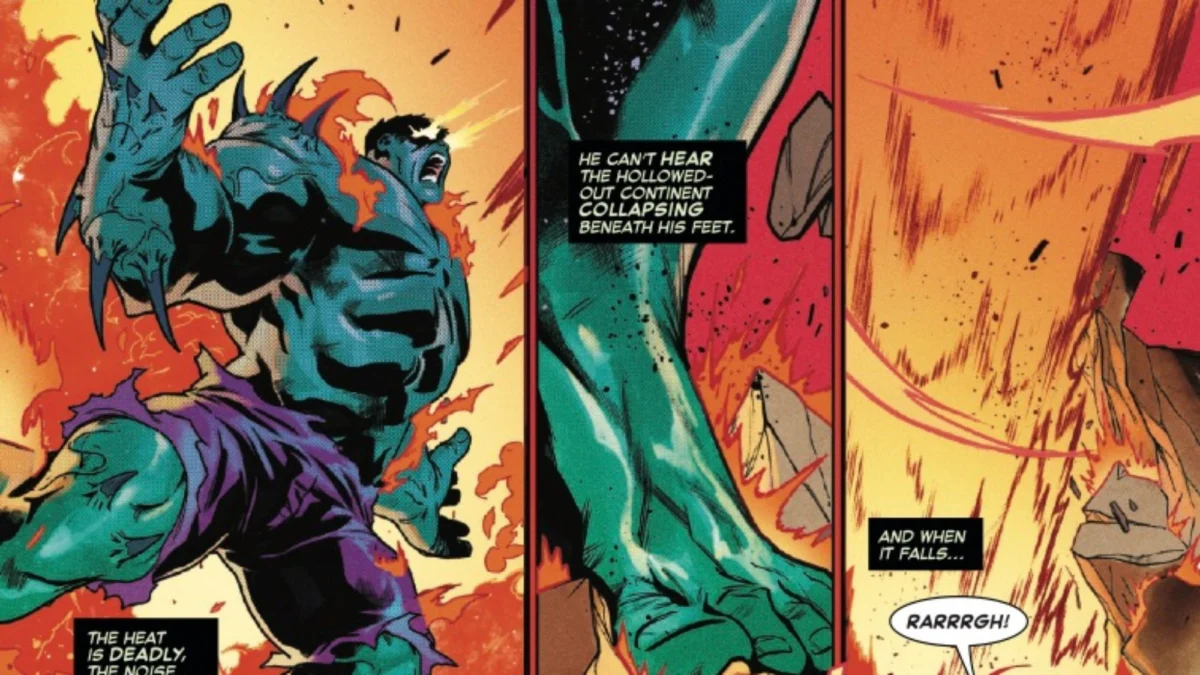
From the perspective of the creators, Stephanie Phillips and Lee Garbett, this success significantly elevates their standing within the industry. It validates their creative vision and demonstrates their ability to helm a major character with critical and commercial acclaim. This could lead to more high-profile assignments for them both within Marvel and potentially with other publishers. The question posed in the original article, "Maybe they cancelled Stephanie Phillips’ She-Hulk too soon?", becomes particularly poignant here. Phillips’ previous work on She-Hulk was well-regarded by many, and its cancellation might now be viewed as a missed opportunity by Marvel to cultivate another strong, creator-driven ongoing series. The Daredevil success could serve as a valuable lesson for the publisher regarding the importance of nurturing promising creative talent and allowing successful runs to find their full potential.
Looking Ahead: Sustaining Momentum and Future Strategies

The challenge for Marvel now is how to extend this success without inadvertently "destroying it." Maintaining the quality of the creative output is paramount, ensuring that Phillips and Garbett continue to deliver a compelling narrative that keeps readers invested. Beyond the creative aspects, Marvel might explore several strategic options to capitalize further on this momentum.
One suggestion is an "extended retailer-exclusive variant programme." Retailer exclusive variants, where specific comic shops commission unique covers for an issue, have proven to be powerful sales drivers. An extended program for Daredevil could involve more frequent or more widely available exclusive variants, providing additional incentives for retailers to order heavily and for collectors to seek out multiple copies. This strategy, if implemented carefully, can boost sales and engagement without diluting the core product.
More broadly, the Daredevil model could inform Marvel’s future publishing strategy. If sustained single-issue demand proves more profitable and fosters greater reader loyalty than a rapid transition to collected editions, Marvel might consider adopting a similar "keeping in print" approach for other promising new series or revitalized flagship titles. This would represent a significant strategic shift, moving away from a purely front-loaded sales model to one that actively cultivates long-term, issue-by-issue engagement.

The success of Daredevil under Phillips and Garbett highlights several key trends in the modern comic book market: the power of strong creative vision, the impact of multi-platform character visibility, the effectiveness of direct creator-to-fan marketing, and the enduring demand for high-quality, ongoing single issues when the narrative truly resonates. As Daredevil continues its remarkable run, it stands as a testament to the fact that, even in an evolving media landscape, a well-told story with compelling art can still capture the industry’s attention and drive unprecedented sales. It poses a significant question for Marvel: is this the blueprint for their next wave of enduring hits, and will they learn the lessons necessary to replicate this success across their diverse pantheon of characters?