Robert Eggers to direct new feature film adaptation of William Shakespeare’s Romeo and Juliet for Focus Features

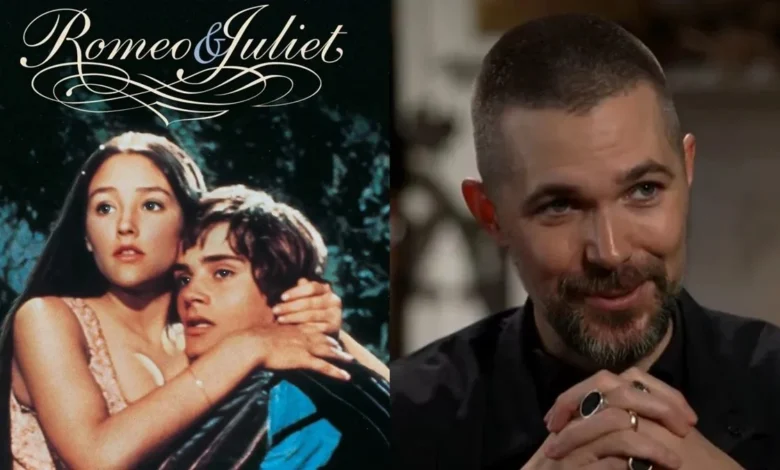
The landscape of modern cinematic adaptations is set to witness a significant shift as filmmaker Robert Eggers, renowned for his meticulous commitment to historical authenticity and atmospheric horror, has officially signed on to helm a new adaptation of William Shakespeare’s classic tragedy, Romeo and Juliet. The project, which is currently in the early stages of development under the banner of Focus Features, marks a strategic consolidation of the partnership between the director and the studio. Following the critical success of his 2024 feature Nosferatu, Focus Features has signaled a clear intent to prioritize Eggers’ vision over his previously announced, yet currently sidelined, projects such as a potential Labyrinth sequel and his adaptation of A Christmas Carol.
The Evolution of the Eggers-Focus Partnership
The collaboration between Robert Eggers and Focus Features has proven to be one of the most lucrative and critically acclaimed relationships in contemporary independent cinema. Since the release of The Witch in 2015, which established Eggers as a leading voice in elevated horror, his career trajectory has been characterized by an increasing scale of production matched by a steadfast refusal to compromise on period-accurate detail.
The studio’s decision to move Romeo and Juliet to the forefront of their slate is reflective of the "auteur" model currently favored by prestige distributors. By providing Eggers with the creative capital to tackle the most famous play in the English language, Focus Features is betting on the director’s ability to revitalize a well-worn narrative through his signature lens of dread and hyper-realism. This development follows a period of rapid production for Eggers, whose upcoming Gothic horror film, Werwulf, is slated for a Christmas Day release, further cementing his status as a cornerstone director for the studio.
A Commitment to Linguistic and Historical Authenticity
A defining characteristic of Eggers’ filmography is his rigorous approach to period-accurate dialogue and production design. Eschewing the trend of modernizing Shakespearean texts—a practice popularized by Baz Luhrmann’s 1996 interpretation which relocated the narrative to a contemporary "Verona Beach"—Eggers is reportedly intent on maintaining the original Early Modern English dialogue.
The decision to preserve the 1490s linguistic framework serves as a testament to Eggers’ philosophy regarding period pieces. According to industry reports, the production will not seek to relocate the story to the present day, maintaining the director’s personal vow to avoid contemporary settings in his cinematic work. This commitment to the source material extends to the film’s visual language. Given Eggers’ history of working with historical consultants and utilizing authentic building techniques—most notably seen in the construction of the set for The Lighthouse—it is anticipated that this adaptation will provide an unprecedentedly gritty and historically grounded look at the Capulet and Montague feud.
Chronology of Production and Strategic Shifts
The shifting priorities of Eggers’ production schedule offer insight into the internal logistics of major studio planning. For the past several years, rumors have circulated regarding various high-profile projects tied to the director’s name.
- 2024: The release of Nosferatu garners widespread critical acclaim, solidifying the professional bond between Eggers and Focus Features.
- Early 2025: Focus Features announces a strategic focus on the upcoming Gothic horror project Werwulf, scheduled for a late-year release.
- Mid-2025: Internal discussions regarding the long-gestating A Christmas Carol and a Labyrinth sequel reach a plateau as the studio pivots resources toward the Shakespearean adaptation.
- Late 2025: The official confirmation of Romeo and Juliet as the director’s primary focus emerges, signaling a potential production window for 2026 or 2027.
While fans of the Labyrinth franchise or those anticipating a dark interpretation of the Scrooge narrative may be disappointed by these delays, the move toward Romeo and Juliet suggests a desire to engage with a universal narrative that allows for a larger, more mature stylistic expression of the themes Eggers has explored throughout his career.
Analytical Perspective: The "Eggersian" Approach to Tragedy
From an analytical standpoint, Romeo and Juliet is perhaps the most logical progression for a director whose filmography is defined by the intersection of love, isolation, and inevitable doom. While the public often views Romeo and Juliet through the lens of romantic tragedy, the play itself contains the same "bleak" elements that permeate The Lighthouse and The Witch.
By applying a horror-adjacent aesthetic to the source material, Eggers is positioned to strip away the sentimental layers that have accrued to the play over centuries of pop-culture interpretation. The "bleakness" of the narrative—the societal rot of Verona, the fragility of the central characters, and the relentless march toward a dual suicide—aligns perfectly with the director’s established themes of entrapment and the cruelty of fate. Industry analysts suggest that this project will likely serve as a definitive interpretation for a new generation, shifting the focus from the romance to the systemic violence that necessitates the tragedy.
Implications for Casting and Production
The casting process for such a monumental project remains the subject of intense speculation. While the characters of Romeo and Juliet are canonically thirteen and fourteen years old, respectively, it is unlikely that the production will adhere to these exact ages for the leads. Casting actors of legal age who can convey the gravity and intensity of Shakespeare’s language while fitting within the director’s demanding, time-intensive production schedule will be the primary hurdle for the casting department.
Furthermore, the production’s commitment to the original 15th-century dialogue will require a cast capable of handling the rhythm and cadence of the period-specific text without sacrificing the naturalism that defines Eggers’ work. This often leads to a preference for theater-trained actors, a group that Eggers has historically favored to maintain the integrity of his scripts.
Broader Impact on the Cinematic Landscape
The announcement of an Eggers-directed Romeo and Juliet is a signal to the industry that mid-budget, high-concept, auteur-driven cinema continues to find a home within the current studio system. Despite the rise of franchise-heavy tentpoles, the commitment to an "Olde English" Shakespearean drama indicates that there remains a significant market for prestige, high-art cinema.
If the film succeeds in mirroring the box-office and critical performance of his previous works, it may encourage other studios to entrust classic literature to directors with distinct, non-commercial visions. The impact on the career of Robert Eggers is equally significant; by tackling the most famous play in history, he is essentially testing his ability to translate his niche, hyper-specific directorial style into a broader, more universally recognized narrative framework.
As production begins to take shape, all eyes will be on the casting announcements and the eventual location scouting. While a definitive release date has yet to be finalized, projections based on the director’s typical two-year production cycle place the film in a strong position for a 2028 debut. Until then, the project remains one of the most anticipated developments in the film industry, representing a rare intersection of classic literature, historical research, and the dark, uncompromising vision of one of cinema’s most interesting contemporary directors. The return to fair Verona will, under Eggers’ guidance, almost certainly be a departure from any version of the story previously captured on screen, promising a vision that is as psychologically taxing as it is aesthetically profound.