House of the Dragon Star Maddie Evans Cast in Documentary-Style Horror Hybrid Pendle 1612

Maddie Evans, widely recognized by fantasy television audiences for her compelling portrayal of Dyana in HBO’s blockbuster series House of the Dragon, is set to transition from the political intrigue of Westeros to the bleak, wind-swept landscapes of northern England. Evans has officially joined the cast of Pendle 1612, an upcoming horror-hybrid feature film that utilizes a contemporary documentary-style framing device to explore deeply rooted historical trauma. Written and directed by the rising British filmmaker duo Liam Bashford and Kyle Bashford, the project is backed by Eleven Eleven Pictures and is scheduled to commence principal photography in late September, utilizing authentic locations surrounding the foreboding Pendle Hill in Lancashire.
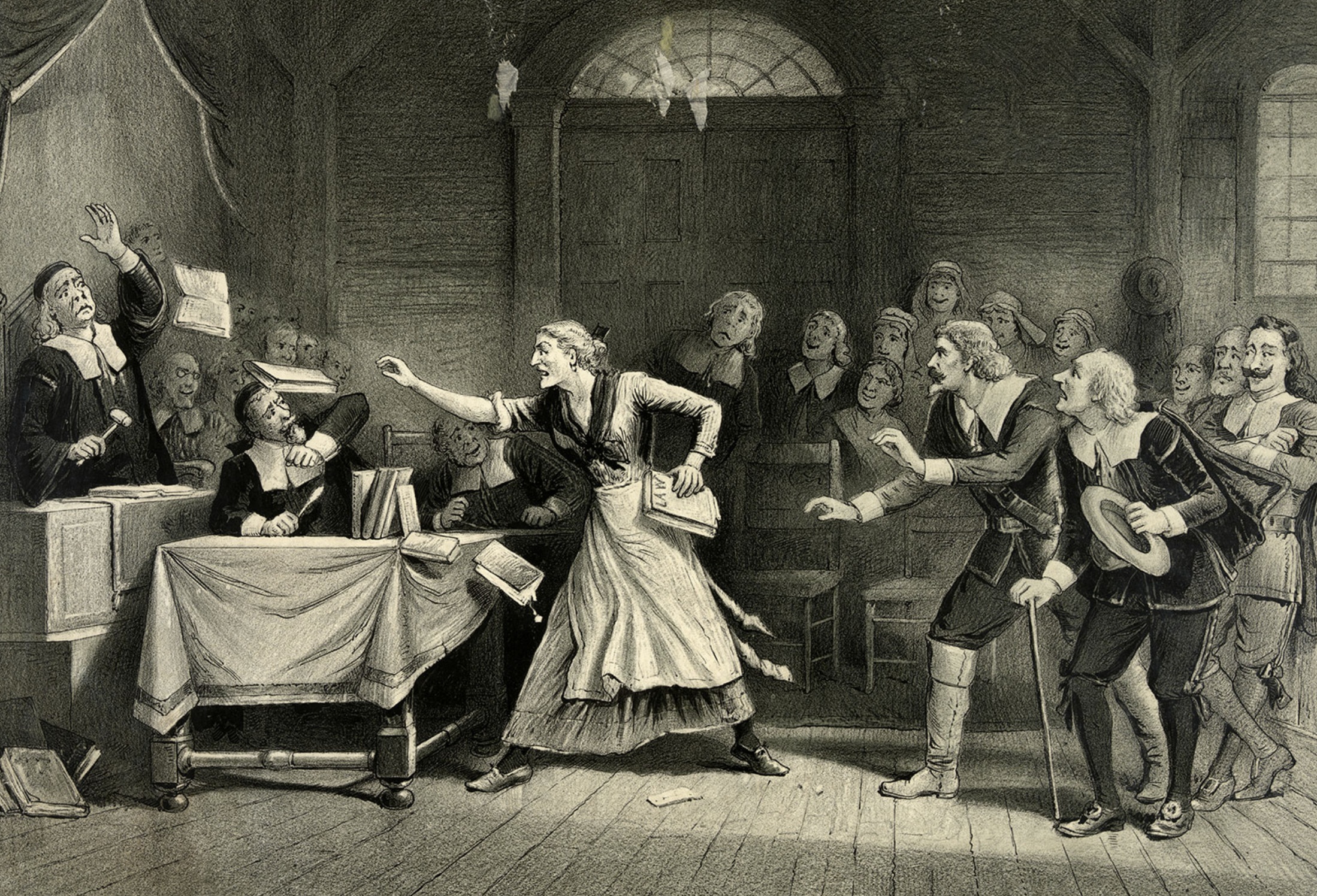
The cinematic venture draws its thematic and geographic inspiration from one of the most notorious judicial atrocities in British history: the Pendle witch trials of 1612. While cinematic explorations of historical witchcraft often lean heavily toward period-accurate dramatizations—ranging from classic adaptations to modern art-house chillers like Robert Eggers’s The Witch—the Bashford brothers have chosen a decidedly contemporary approach. Rather than staging a direct period piece, the filmmakers are leveraging the dark historical legacy of Pendle Hill as a psychological and supernatural backdrop for a modern-day investigative mystery.
The Narrative Framework and Cast Dynamics
At the center of Pendle 1612 is a narrative structure that blends the conventions of modern true-crime investigation with supernatural horror. Maddie Evans stars as Amy, a young woman who, alongside two companions, embarks on a documentary filmmaking project. Their primary objective is intensely personal: to investigate the mysterious and unsettling disappearance of Amy’s older sister.

Joining Evans on this harrowing expedition are co-stars Ella Moss, who takes on the role of Hannah, and Gemma Laurie—recognized by audiences for her work in the television series Shetland—who portrays Meg. As the three young women delve deeper into the rugged terrain of the Lancashire moors to uncover clues regarding the missing sibling, their documentary investigation steadily unravels. The trio finds themselves probing layers of buried local history that far exceed the scope of their original inquiry, awakening forces and paranoia tied inextricably to the land.
The decision to adopt a documentary style or found-footage aesthetic places the production within a lineage of modern horror that seeks to interrogate real-world historical atrocities rather than merely exploiting them for jump scares. By filtering a contemporary missing-person investigation through the lens of historical trauma, the filmmakers aim to establish a claustrophobic atmosphere rooted in geographic memory.
Historical Background: The Real Horror of Pendle Hill
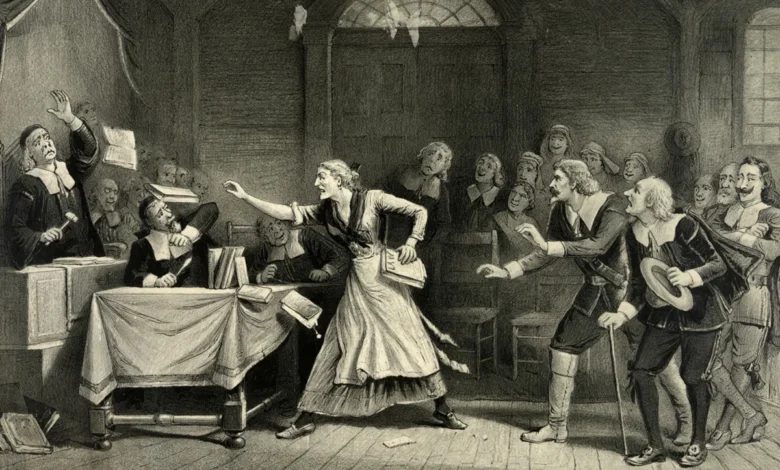
To understand the conceptual weight underpinning the project, one must examine the actual events of 1612, which remain among the most thoroughly documented judicial witch-hunts in English legal history. During the reign of James I—who held a notorious personal obsession with demonology and witchcraft—twelve individuals residing around the Pendle Hill region of Lancashire were accused of acts of murder via witchcraft.
The accusations were largely driven by local rivalries, land disputes, and the testimony of a nine-year-old child named Jennet Device, whose statements sealed the fate of her own family members. Out of the twelve individuals sent to trial at the Lancaster Assizes, ten were ultimately condemned and hanged publicly. One accused person died while awaiting trial, and another was acquitted.
The topography of Pendle Hill itself has long occupied a unique place in British folklore. Rising over 500 meters above the Ribble Valley, the landmark is frequently associated with atmospheric volatility, eerie mists, and a persistent cultural legacy of the occult. In 2012, marking the quatercentenary of the trials, historians, archaeologists, and folklorists renewed public interest in the site, cementing its status as a pilgrimage point for those fascinated by the dark intersections of British legal history and superstition.
Director Insights and Production Objectives
For co-directors Liam Bashford and Kyle Bashford, the project represents a deeply personal engagement with the geography and folklore of their upbringing. Speaking in an official production statement released to announce the casting and start of principal photography, Liam Bashford emphasized the inescapable presence of the 1612 trials within the local consciousness.
"Growing up in Lancashire, the story of the Pendle Witches has always been around us," Bashford noted. "We didn’t want to recreate 1612. We wanted to ask what might still be there today."
This creative philosophy underscores a broader ambition within independent British horror: to move away from generic supernatural tropes and toward stories grounded in regional identity and historical accountability. By anchoring a fictional modern disappearance to a documented historical site of mass execution, the filmmakers are attempting to construct a narrative where the past is not a distant epoch, but an active, threatening participant in the present.
Production Timeline and Current Status
Pre-production on Pendle 1612 has moved swiftly through casting and location scouting phases under the banner of Eleven Eleven Pictures. With principal photography officially slated to begin in late September, the production crew will set up base camps in and around the immediate vicinity of Pendle Hill and the surrounding Lancashire moors.
As of press time, producers have not yet disclosed a targeted release date, nor have they finalized distribution partnerships for the feature. Additional casting announcements are expected to follow as filming gets underway on location. Because the project is currently in the pre-shoot phase, no official teaser footage, trailers, or promotional stills have been made publicly available, meaning that public tracking of the film relies entirely on official casting notices and production updates from the creative team.
Industry Implications and Market Analysis
The greenlighting and upcoming production of Pendle 1612 arrive at a time when the horror genre continues to demonstrate robust commercial and critical viability, particularly within the independent sector. Audiences have shown an increasing appetite for horror that merges investigative journalism, mock-documentary formats, and localized folklore—a trend successfully capitalized upon by micro-budget breakthroughs and elevated genre distributors in recent years.
Furthermore, the involvement of recognizable talent from major television franchises, such as Maddie Evans, provides the independent production with valuable early visibility. Casting actors with established fanbases from prestige fantasy and drama series helps bridge the gap between mainstream television audiences and the niche independent horror market.
At the same time, the project faces the challenge of distinguishing itself within a crowded subgenre. Witchcraft and historical folk horror have experienced a notable renaissance in contemporary cinema, with filmmakers continually returning to Salem, New England folklore, and European witch trials for inspiration. However, by focusing specifically on the lesser-dramatized geography of Lancashire and employing a contemporary investigative framework, Pendle 1612 possesses distinct structural advantages.
If the Bashford brothers successfully execute their vision of blending authentic regional history with a tense, documentary-style mystery, the film could emerge as a significant entry in modern British folk horror—transforming historical tragedy into a resonant, contemporary cinematic nightmare.