Paramount Settles Antitrust Suit Paving Way To Finalize Warner Bros Deal and Other Developments in the Star Trek Universe

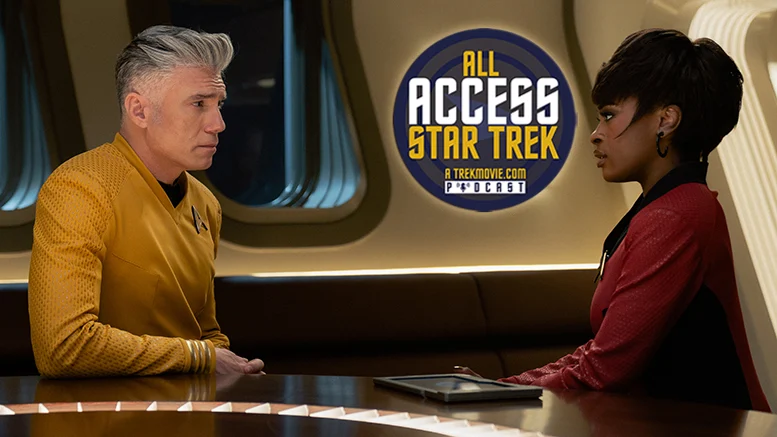
The landscape of American media is on the precipice of a significant transformation following the resolution of a critical antitrust lawsuit involving Paramount Global. This legal clearance removes a major hurdle for the company’s planned merger with Warner Bros. Discovery, a deal that industry analysts expect will reshape the future of legacy intellectual properties, including the long-standing Star Trek franchise. As the dust settles on the litigation, stakeholders are now turning their attention to the operational implications of this consolidation, specifically regarding the production of ongoing television series and the strategic management of high-value cinematic assets.
The Paramount-Warner Bros. Merger Timeline
The legal saga surrounding the Paramount-Warner Bros. merger has been characterized by intense regulatory scrutiny. Antitrust concerns, largely centered on market consolidation and the potential for reduced competition in the streaming and theatrical distribution sectors, stalled negotiations for months. Following the court’s decision to approve the settlement, the path is now clear for the integration of two of Hollywood’s most storied film studios.
The timeline of this consolidation reflects the broader volatility of the media industry in the 2020s. Initial reports of merger discussions emerged in late 2024, followed by a formal inquiry by federal regulators regarding the potential for monopolistic practices. By September 2026, the settlement of the antitrust suit marked the end of the regulatory standoff. With this final legal obstacle removed, the focus shifts to the logistical integration of assets, a process expected to take place over the next eighteen months as the companies align their respective streaming platforms, Paramount+ and Max, and consolidate their film production divisions.
Implications for Star Trek Production
For the Star Trek franchise, this corporate shift arrives at a pivotal juncture. Currently, the franchise is experiencing a period of intense creative output, led by series such as Star Trek: Strange New Worlds. Recent reports have confirmed that producers of the hit series made a concerted effort to bring original series star William Shatner back into the fold, specifically for a narrative sequel to a classic episode. While these plans ultimately did not materialize, the attempt highlights the creative ambition of the current production team and their desire to bridge the gap between the franchise’s foundational history and its modern iterations.
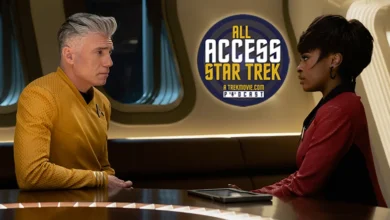
The recent conclusion of the Strange New Worlds Season 4 finale, titled "Tomorrow’s Enterprise," has drawn critical acclaim, particularly for the performance of Celia Rose Gooding. Gooding’s portrayal of two distinct iterations of Uhura underscores the character-driven focus that has defined the series’ recent success. Industry observers note that the stability of these creative choices will be tested as the merger progresses, as the combined entity may look to streamline production costs or shift focus toward more commercially viable or scalable intellectual property deployments.
Broader Media Market Context
The merger is not an isolated event but a response to the shifting economic realities of the streaming era. Data from the current fiscal quarter suggests that media companies are under immense pressure to reduce churn rates and improve subscriber retention. By combining the vast content libraries of Paramount—which holds the rights to Star Trek, Mission: Impossible, and the CBS catalog—with Warner Bros. Discovery’s extensive portfolio, including DC Comics, HBO, and Turner Sports, the new entity aims to create a formidable competitor to industry giants like Netflix and Disney.
The financial logic is clear: scale. By centralizing operations, the combined entity hopes to eliminate redundant administrative costs and leverage a deeper library to attract a wider demographic. However, the move has sparked debates regarding the loss of diversity in creative output. Critics of the merger argue that the reduction in independent studio voices could lead to a "homogenization" of content, where risk-taking in storytelling—a hallmark of recent Star Trek installments—may be sacrificed for more "bankable" franchise extensions.
Cultural Milestones and Legacy Updates
Outside the boardroom, the Star Trek universe continues to evolve through secondary media. The recent launch of Star Trek Online: Rediscovered has been met with enthusiasm, particularly for its integration of multiple versions of the character Spock, demonstrating the franchise’s continued ability to innovate within the gaming sector. Furthermore, IDW Publishing’s upcoming Star Trek comic, which features Captain Seven of Nine commanding the USS Enterprise-G, provides a narrative bridge between the television shows and the broader lore, ensuring that the brand maintains visibility even during hiatus periods in televised production.
The industry also recently mourned the loss of Leslie Parrish, a veteran actress whose contributions to the original series (TOS) are frequently cited by historians of the genre. Her passing serves as a poignant reminder of the transient nature of Hollywood talent and the enduring legacy of the performers who helped build the foundation of the Star Trek phenomenon in the 1960s. These developments, alongside William Shatner’s recent high-profile engagement with the heavy metal community—demonstrated by his unique interpretations of Metallica’s catalog—highlight that the figures associated with Star Trek remain influential cultural icons, regardless of their current involvement in the franchise’s active production slate.
Future Outlook and Strategic Challenges
As the transition period begins, the primary challenge for the unified entity will be maintaining the creative integrity of its flagship brands. The production team behind Strange New Worlds, currently led by key figures like director Chris Fisher, has fostered a specific tone that resonates with both long-term fans and new audiences. The upcoming in-depth interviews with the production leadership are expected to shed light on how they intend to navigate the impending corporate structural changes while keeping the series’ creative vision intact.
The integration of the two companies will likely involve a series of internal restructurings, including the potential consolidation of writers’ rooms, post-production facilities, and marketing departments. For the consumer, this may manifest as a change in the subscription model or the consolidation of streaming services under a single, unified brand identity. While the antitrust suit has been settled, the long-term impact on the cost and quality of content remains to be seen.
Ultimately, the settlement represents the end of an era of independent operation for Paramount and the beginning of a new, highly concentrated phase for the media industry. The Star Trek franchise, which has survived multiple corporate takeovers and industry shifts since its debut in 1966, now enters another period of uncertainty. Whether this merger provides the resources for even greater creative risk-taking or necessitates a shift toward a more conservative, profit-driven model remains one of the most critical questions facing the entertainment sector in the coming decade.
The stakeholders involved, from the studio executives to the creative talent and the fan base, will be watching closely as the specifics of the merger integration are announced. The focus on established brands suggests that Star Trek will remain a cornerstone of the new entity’s strategy, but the nature of that strategy—whether it involves more legacy character cameos, expanded cinematic universes, or a pivot to new, uncharted narrative territory—will be determined by the vision of the new leadership team. For now, the legal path is clear, and the real-world consequences of this historic consolidation are only just beginning to unfold.