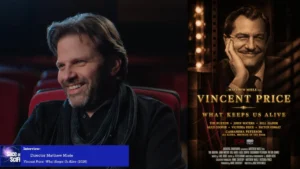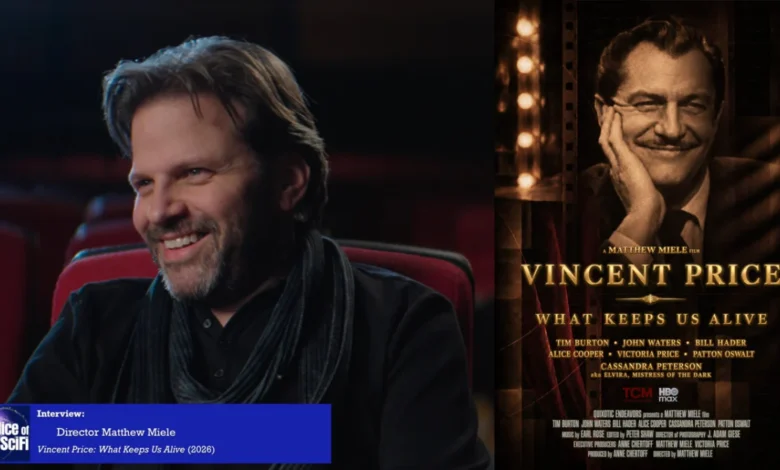
The cinematic legacy of one of horror cinema’s most sophisticated and enduring icons is receiving a comprehensive retrospective in the new documentary Vincent Price: What Keeps Us Alive. Directed by acclaimed filmmaker Matthew Miele, the feature-length project explores not only the legendary actor’s indelible contributions to the macabre genre, but also his lesser-known passions, family life, and profound impact on generations of artists. Ahead of the documentary’s anticipated world premiere, the project has generated considerable enthusiasm among film historians, genre enthusiasts, and the cultural descendants of Price’s unique brand of theatrical villainy.
Main Facts and Festival Debut
Vincent Price: What Keeps Us Alive is scheduled to celebrate its world premiere on October 2, 2026, at Poe Fest International, held annually in Baltimore, Maryland—a fitting tribute given Baltimore’s historical connection to Edgar Allan Poe, an author whose works Price famously brought to vivid, cinematic life through his collaborations with director Roger Corman in the 1960s. Following its festival debut, the documentary is slated for a wider release, heading to HBO Max on October 30, 2026, just in time for the Halloween viewing season.
Director Matthew Miele, whose previous work includes acclaimed documentaries focusing on cultural touchstones and Turner Classic Movies projects, brings a meticulous and affectionate lens to the production. The film goes beyond the stereotypical image of Price as a mere purveyor of cinematic chills, examining his classical training, his extensive career on the stage, his deep appreciation for fine art, and his role as a devoted family man.
Behind the Lens: Access and Collaborators
One of the defining strengths of Vincent Price: What Keeps Us Alive is its unprecedented access to the subject’s personal life. Miele secured cooperation and input from Vincent Price’s children and grandchildren, allowing the documentary to paint an intimate portrait of a man who was as gentle, articulate, and cultured in his private life as he was deliciously menacing on screen.
In addition to family recollections, the documentary features an impressive roster of contemporary icons, filmmakers, and performers whose artistic sensibilities were shaped by Price. Among those lending their insights to the project are visionary director Tim Burton, Baltimore’s own avant-garde auteur John Waters, shock rock pioneer Alice Cooper, horror hostess icon Cassandra "Elvira" Peterson, and comedic actor and writer Bill Hader. These interviews serve to illustrate the vast and eclectic cultural footprint Price left behind, bridging the gap between classic Hollywood horror and modern counterculture.
Chronology and the Evolution of the Project
The genesis of Vincent Price: What Keeps Us Alive traces back to Miele’s extensive background in documentary filmmaking, particularly his explorations of classic Hollywood and his ongoing reverence for the horror genre. Over the years, Miele developed a distinct style of celebratory, archive-heavy cinematic biography that relies heavily on primary sources, rare footage, and firsthand testimony.
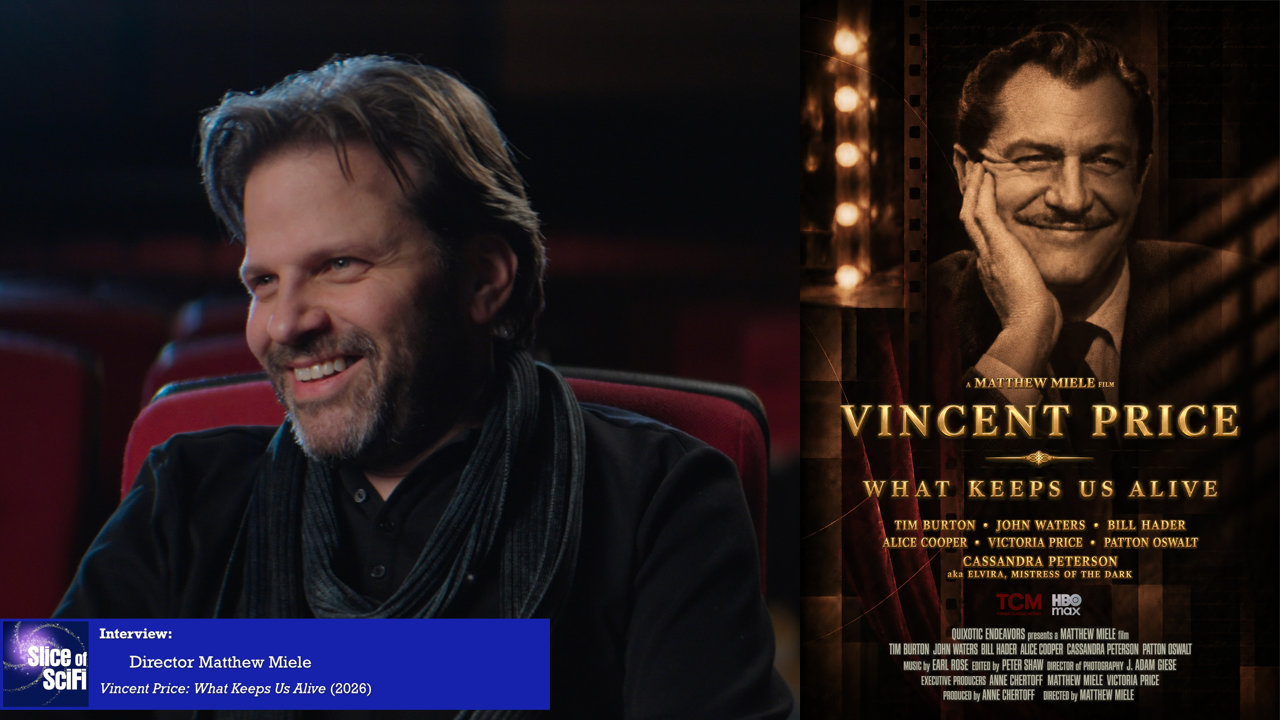
The production timeline intensified as Miele coordinated with the Vincent Price Estate and various cultural institutions to unearth rare audio recordings, television appearances, and home movies. The culmination of this multi-year effort arrives with the Baltimore premiere in October 2026, positioning the film as a major cultural event for fans of classic cinema before its streaming rollout on HBO Max later that month. Industry observers have also noted a growing demand for physical media tie-ins, with many cinephiles expressing hope that the documentary’s release might spark a renewed interest in preserving and distributing Price’s historical lecture series on horror and the fine arts.
Broader Impact and Cultural Legacy
To understand the significance of a project like Vincent Price: What Keeps Us Alive, one must examine the unique space Price occupied within the entertainment industry. Born in St. Louis, Missouri, in 1911, Price initially pursued a degree in art history at Yale University before transitioning to the stage. His theatrical background imbued his film performances with a theatricality and physical grace that elevated genre cinema from cheap thrills to high camp art.
Throughout a career that spanned more than half a century, Price transitioned effortlessly from prestige dramas like The Song of Bernadette to gothic horror masterworks such as House of Wax (1953), The Fly (1958), and his definitive cycle of Edgar Allan Poe adaptations directed by Roger Corman, including The Fall of the House of Usher (1960) and The Pit and the Pendulum (1961). Unlike many of his contemporaries who sought to distance themselves from horror, Price embraced his status as a master of the macabre, infusing his villains with a self-aware wit, exquisite diction, and palpable charm.
Furthermore, Price was a noted culinary expert, an author of several cookbooks, and a legitimate art collector and connoisseur. He served on the Indian Arts and Crafts Board and famously helped establish the Vincent Price Art Museum in Monterey Park, California, donating hundreds of works of art from his personal collection. By highlighting these diverse pursuits, Miele’s documentary corrects the historical pigeonholing that often reduces versatile actors to a single archetype.
Critical Reception and Future Expectations
As the countdown to the world premiere at Poe Fest International continues, early indicators suggest that Vincent Price: What Keeps Us Alive will serve as the definitive cinematic tribute to the actor for a new generation. Critics and cultural analysts point out that while documentaries about classic Hollywood figures are common, few subjects possess the cross-generational appeal and stylistic singularity of Vincent Price.
By uniting family members, pop culture icons, and rare archival material, the film avoids the dry academic tone of standard biographies, opting instead for a vibrant celebration of a life well-lived. As audiences prepare to welcome the documentary into their homes via HBO Max this October, the cultural conversation surrounding Price’s legacy proves that the man who famously brought nightmares to life remains as vital and beloved as ever.