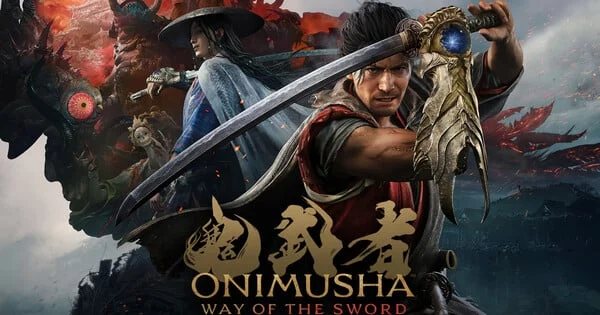
The Japanese video game market experienced a significant shift during the week of August 31 to September 6, 2026, as Capcom’s latest entry in its storied action-adventure franchise, Onimusha: Way of the Sword, dominated the retail landscape. According to the latest sales data published by Famitsu, the PlayStation 5 iteration of the title secured the top position in the weekly charts, signaling a strong reception for the series’ return to prominence. Simultaneously, the Nintendo Switch 2 version of the game debuted at the third spot, confirming the title’s cross-platform appeal among Japanese consumers.
Market Performance and Debut Analysis
The release of Onimusha: Way of the Sword on September 4, 2026, was the most anticipated launch of the early autumn season. In its debut window, the PlayStation 5 version moved 76,530 physical copies, establishing a clear lead over the rest of the market. The Switch 2 version followed with 19,499 copies sold in its first few days on the market.
While the disparity in sales figures between the two platforms is notable, industry analysts suggest that the results reflect current hardware adoption trends in Japan. The PlayStation 5 continues to cater to a demographic favoring high-fidelity graphical performance for action-oriented titles, whereas the Switch 2 platform is still in the phase of building its total installed user base. Despite this, the combined debut total of nearly 100,000 units underscores that the Onimusha brand remains a potent force in the Japanese gaming industry, nearly two decades after its initial golden age.
Chronology of the Weekly Rankings
The period of August 31 through September 6 saw a mix of legacy titles and fresh releases fighting for consumer attention. The runner-up for the week was Nintendo’s Rhythm Heaven Groove, which continues to display incredible longevity. Since its release on July 2, 2026, the game has reached an impressive cumulative total of 975,289 copies, positioning it to break the one-million-unit milestone in the coming weeks.
Other notable performances included the continued success of Splatoon Raiders on the Switch 2, which occupied the fourth position with 10,267 weekly sales and a lifetime total of 648,529. Meanwhile, the evergreen title Tomodachi Life, released in April 2026, maintained its presence in the top five, underscoring the enduring popularity of simulation games in the Japanese market. FromSoftware’s ELDEN RING Tarnished Edition, which launched on August 28, maintained a steady presence at number six, accumulating 34,163 copies since its release.
Competitive Landscape and Publisher Performance
The presence of various publishers in the top 20 rankings highlights a diverse, albeit consolidated, market. Nintendo remains the dominant force, with multiple titles consistently appearing in the top 10. However, the release week saw a notable entry from Bandai Namco Entertainment with The Blood of Dawnwalker, which debuted on the PlayStation 5 at seventh place with 4,618 copies sold.
Kepler Interactive’s new release, Orbitals, also made a respectable entry at ninth place, moving 3,949 copies on the Switch 2. The data also reveals a trend of "long-tail" sales for older titles. For instance, Minecraft, originally released in 2018, continues to move thousands of copies weekly, currently sitting at 4,274,163 total units sold—a testament to its status as a cultural staple in the Japanese gaming ecosystem.
Implications of Onimusha’s Return
The success of Onimusha: Way of the Sword is not merely a quantitative victory for Capcom; it serves as a qualitative signal for the industry. Following a long hiatus for the franchise, Capcom’s decision to revive the property suggests a strategic focus on leveraging legacy intellectual properties (IP) for modern hardware.
The inclusion of both current-gen and next-gen platforms indicates that Capcom is aggressively targeting the entirety of the Japanese market. Industry observers have pointed out that the development cycle for this title was aimed at balancing the specific controller feedback features of the PS5 with the portability and hybrid nature of the Switch 2. The sales data suggests that the gamble on a "dual-platform release strategy" has paid off, providing a blueprint for other publishers looking to bridge the gap between performance-oriented consoles and the Nintendo ecosystem.
Broader Impact on the Japanese Retail Sector
The shift in rankings during this specific week reflects a broader trend of consumer behavior in Japan, where physical media continues to hold significant value compared to Western markets where digital-only consumption has become more prevalent. The fact that older titles such as Mario Kart World (released June 2025) and Super Smash Bros. Ultimate (released December 2018) remain within the top 20 indicates that the Nintendo ecosystem creates high-retention environments for its users.
Furthermore, the performance of the PlayStation 5 in this period, bolstered by the launch of Onimusha and the niche appeal of the Cities: Skylines Remastered Japan Special Edition, suggests that the platform is finding a stable equilibrium in Japan. While the Switch 2 commands the majority of the top-selling slots, the PlayStation 5’s ability to drive high-volume sales for specific "tentpole" releases provides a balanced competitive environment.
Official Responses and Industry Outlook
While Capcom has not issued a formal statement regarding the specific sales figures, company representatives have previously alluded to a "renaissance of action titles" as a core pillar of their 2026 fiscal strategy. The robust opening numbers for Onimusha indicate that the strategy is resonating with a demographic that values traditional Japanese action-adventure mechanics refined with modern technical standards.
Looking ahead, the market is expected to remain competitive as the autumn release schedule ramps up. Retailers are closely watching the trajectory of Rhythm Heaven Groove, as its potential to cross the million-unit threshold will likely be a highlight of the third quarter. Additionally, the performance of smaller titles like Orbitals and Village in the Shade suggests that independent and mid-tier publishers still have viable pathways to success in the Japanese retail market if they can secure strong physical distribution and target the appropriate platforms.
Conclusion: A Dynamic Market Environment
The data from the week of August 31 to September 6 confirms that the Japanese video game market is in a state of healthy transition. With the Nintendo Switch 2 continuing to build a massive library and the PlayStation 5 serving as a platform for high-end action experiences, consumers are enjoying a diverse array of options. The debut of Onimusha: Way of the Sword at the top of the charts acts as a bridge between the nostalgia of a classic era and the technical capabilities of the present. As we move further into the final quarter of 2026, the industry remains focused on how these hardware platforms will continue to evolve and which titles will define the next chapter of the console gaming experience in Japan.
The continued dominance of established franchises, paired with the occasional surprise success, confirms that while the industry is evolving, the core drivers of player engagement—compelling gameplay, recognizable brand value, and platform-specific accessibility—remain as central to success as they have ever been. The upcoming weeks will be crucial in determining whether the momentum established by Capcom can be sustained as the holiday shopping season approaches, a period that traditionally dictates the annual success metrics for the entire Japanese gaming sector.
Related posts: