The Concluding Chapter of the Tom King and Daniel Sampere Wonder Woman Run Marks a Pivotal Shift for DC Comics

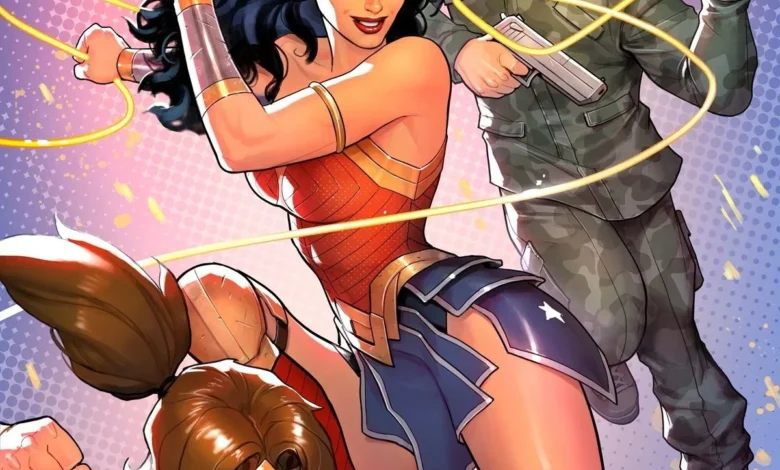
The long-running partnership between acclaimed writer Tom King and artist Daniel Sampere on the flagship Wonder Woman title is set to reach its conclusion this December with the release of issue #40. This announcement, confirmed by DC Comics, signals the end of a three-year tenure that significantly altered the status quo of Diana of Themyscira. While King had initially expressed a long-term ambition to craft a 100-issue epic for the Amazonian warrior, external professional obligations—specifically his role as the showrunner for the upcoming adult-oriented DCU animated series featuring Mister Miracle—have necessitated an earlier-than-planned departure.
A Chronology of a High-Profile Run
The tenure of King and Sampere began with a concerted effort to redefine the scope of Wonder Woman’s narrative, moving away from episodic threats to a more serialized, character-driven epic. Since the debut of the current run, the creative team focused on integrating high-stakes geopolitical drama with intimate, personal character arcs.
Key milestones in this three-year period include:

- The Launch: The series debuted with significant fanfare, promising a modern reimagining that placed Diana in the center of global political instability.
- The Introduction of Trinity: Perhaps the most significant development in the series was the introduction of Lizzie, or "Trinity," the daughter of Diana and Steve Trevor. This move was a departure from traditional Wonder Woman continuity, which historically relegated the existence of a biological child to alternate universes or the Golden Age iterations of the character.
- The Sovereign and the Matriarch: The run introduced new primary antagonists, aiming to provide a distinct rogues’ gallery that challenged the established hierarchy of Wonder Woman’s classic adversaries like Cheetah and Ares.
- The "Wonder War" Arc: Culminating in issue #40, the current "Wonder War" narrative serves as the thematic and plot-driven conclusion to the duo’s work.
Analyzing the Creative Departure
Tom King’s departure is framed as a matter of logistical necessity rather than creative friction. In recent comments regarding the end of the series, King noted his disappointment in failing to reach his self-imposed target of 100 issues. His body of work, which includes industry-defining runs on Batman and critically lauded limited series such as Mister Miracle and Supergirl: Woman of Tomorrow, often emphasizes long-form character deconstruction.
The decision to end the run at issue #40 leaves several narrative threads, such as the growth of Trinity and the long-term impact of the Sovereign, for future creative teams to address. Historically, DC Comics’ flagship titles—especially those involving the "Trinity" of Batman, Superman, and Wonder Woman—undergo creative shifts every few years to keep the characters aligned with broader editorial directives. The transition at issue #40 follows this established industry pattern of rotating creative teams to allow for fresh perspectives on iconic IP.
The Polarization of Modern Lore
The King/Sampere run has been a subject of intense discussion within the comic book industry. While the series garnered several prestigious industry award nominations and critical praise for its artistic execution and emotional depth, it simultaneously encountered a segment of the readership that remained critical of its deviations from established canon.
Specifically, the narrative choice to have Diana become a mother to a superhero daughter was a polarizing element. For decades, Wonder Woman’s mythology has been carefully guarded, with fans often reacting strongly to radical changes in her personal history. The death of Steve Trevor within this run also drew significant attention, as it fundamentally altered the romantic and personal landscape of the character. The tension between the critical acclaim the series received and the vocal resistance from traditionalists underscores the perennial challenge of managing legacy characters in the modern era.

Historical Context and Editorial Strategy
To understand the weight of this change, one must look at the broader context of DC’s publication history. The concept of a Wonder Woman with a child is not entirely unprecedented, yet it has traditionally been confined to "Elseworlds" or parallel Earth stories, such as the Golden Age Fury character. By introducing Trinity into the core, canonical continuity of the DC Universe, King and Sampere forced a conversation about the character’s ability to evolve into a parental role, a stage of life long occupied by the likes of Superman and Batman.
The history of Wonder Woman comics is replete with "status quo shifts" that eventually fade into the background. For instance, the introduction of Jason, Diana’s long-lost twin brother during the Rebirth era, was a major pillar of that run, yet the character has since seen a diminished presence in subsequent iterations of the mythos. This leads to a pertinent question for the industry: will the narrative additions of the last three years be sustained, or will they be slowly phased out?
Industry analysts suggest that the "stickiness" of these changes depends entirely on the incoming creative team. If a new writer finds narrative utility in Trinity or the new villains, they will likely persist. If, however, the new team seeks to return to a more "classic" version of the character, the elements introduced during the King/Sampere era may be relegated to history, much like the brief experiment with Diana’s brother.
Broader Impact and Industry Implications
The transition at the end of the year serves as a reminder of the cyclical nature of serialized comics. As Wonder Woman #40 arrives in stores on December 16, it will likely be viewed as a definitive end to a specific era. The shift in talent represents a wider industry trend where writers are increasingly juggling high-profile comic book projects with major multimedia responsibilities. As DC Studios continues to expand its footprint in animation and live-action, the cross-pollination of talent—like King moving from page to screen—is expected to become more frequent.

For the reader, the end of this run offers a moment of reflection on what defines the character of Wonder Woman. Whether the focus is on her role as a warrior, a diplomat, or a mother, the character’s longevity is secured by her ability to withstand varying interpretations. The coming months will be critical, as fans watch to see who will be tapped to helm the next chapter of the Amazonian princess’s life.
Ultimately, the departure of King and Sampere is not merely a change in personnel; it is a turning point for the Wonder Woman franchise. Whether the next iteration leans into the foundation built over the last three years or seeks to rebuild the character from the ground up remains the central point of speculation for the comic book community. The legacy of their run, characterized by bold, if sometimes divisive, storytelling, will be measured by how much of its influence persists in the years to come.