The Marvel Cinematic Universe has maintained a dominant presence in modern entertainment since the release of Jon Favreau’s Iron Man in 2008. Over nearly two decades, Marvel Studios has systematically expanded a localized superhero film series into one of the most commercially successful and expansive media franchises in cinematic history. While the foundational framework of the MCU relies heavily on source material published by Marvel Comics across more than eighty years, the transition from page to screen has frequently necessitated substantial creative departures. Although purists often debate the fidelity of these adaptations, several characters within the MCU have undergone profound visual and narrative overhauls that arguably surpass their original comic book counterparts.
The rationale behind these cinematic redesigns varies according to the specific demands of live-action storytelling, technological limitations of visual effects, and the overarching narrative cohesion required for a shared universe. Where static panels in a comic book can support flamboyant, highly stylized, or culturally outdated aesthetics, live-action feature films demand a level of grounded realism, psychological depth, and visual clarity that resonates with a broad global audience. An examination of five key characters—Valkyrie, Yondu Udonta, Hela, M’Baku, and Nebula—demonstrates how Marvel Studios successfully deviated from established comic lore to construct vastly superior cinematic iterations.
The Evolution of Asgardian Warriors: Valkyrie
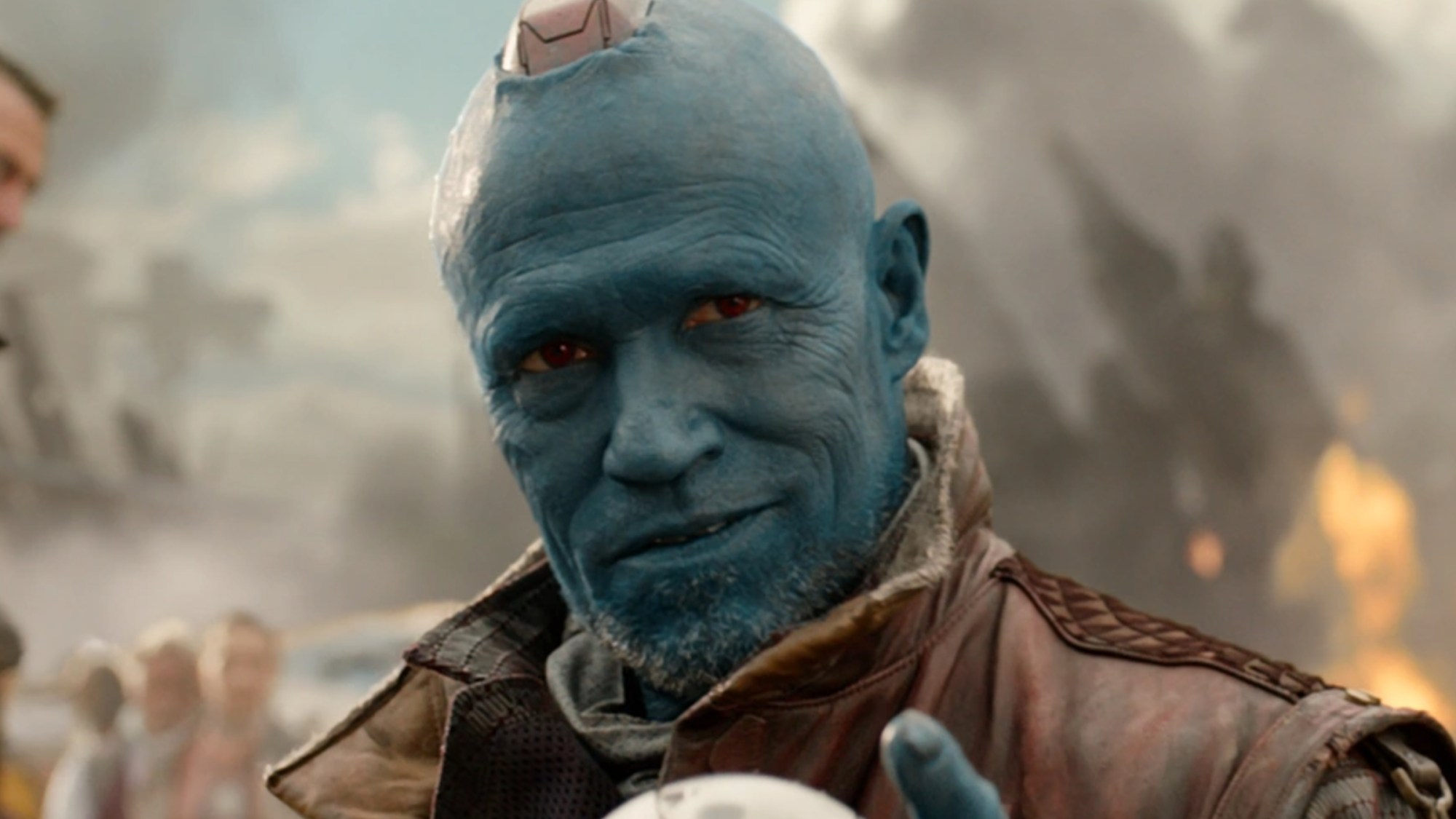
First introduced to audiences in 2017’s Thor: Ragnarok, directed by Taika Waititi, Tessa Thompson’s portrayal of Valkyrie introduced a radical departure from the character’s traditional comic book depiction. Created by Roy Thomas and John Buscema in 1970, the original comic iteration of Brunnhilde was defined by a classic, albeit dated, aesthetic characterized by blonde hair, high-fantasy armor, and the iconic winged helmet.
In adapting the character for the MCU, Marvel Studios completely overhauled both her background and visual design. Stripped of the ornate fantasy trappings, Thompson’s Valkyrie was armored in utilitarian, combat-ready battle gear that prioritized function and physical defense over decorative exhibitionism. The omission of the winged helmet—save for a brief, poignant cameo in a flashback sequence depicting the tragic annihilation of the Valkyrie Corps by Hela—served a specific narrative purpose. This visual choice reflected her status as a solitary, traumatized survivor drowning her grief in the alcohol-soaked slums of Sakaar. By grounding her appearance in militaristic pragmatism, the MCU transformed a generic mythological trope into a deeply compelling, battle-hardened veteran worthy of commanding the remnants of Asgard.
Reimagining the Ravager: Yondu Udonta
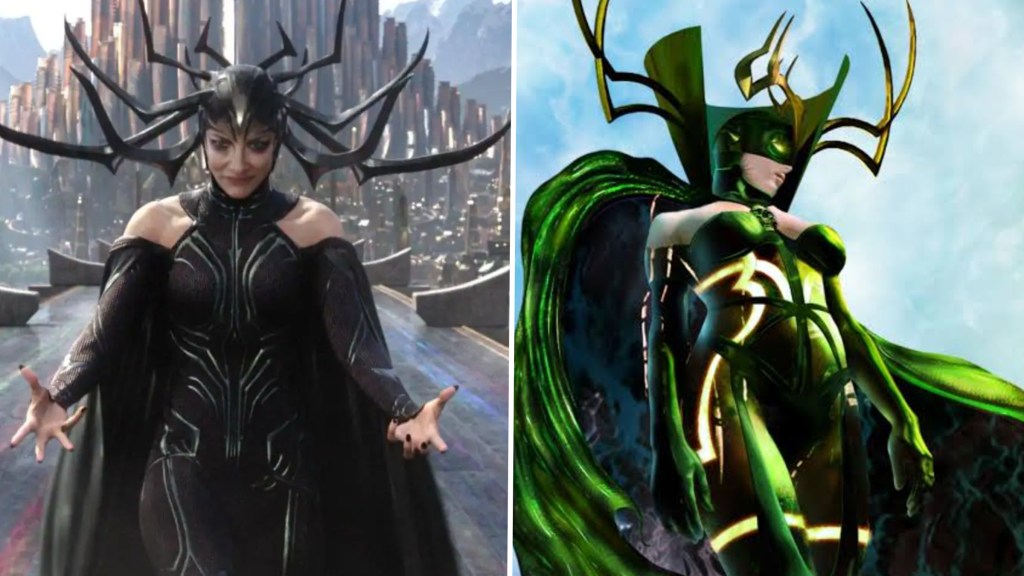
Few characters in the MCU embody the concept of a successful reinvention quite as thoroughly as Yondu Udonta, portrayed by Michael Rooker across the Guardians of the Galaxy franchise. Created by Arnold Drake and Gene Colan in 1969, the original comic book version of Yondu was a deeply spiritual, Native American-inspired archer belonging to a primitive tribe on a distant planet, serving as a founding member of the original 31st-century Guardians of the Galaxy.
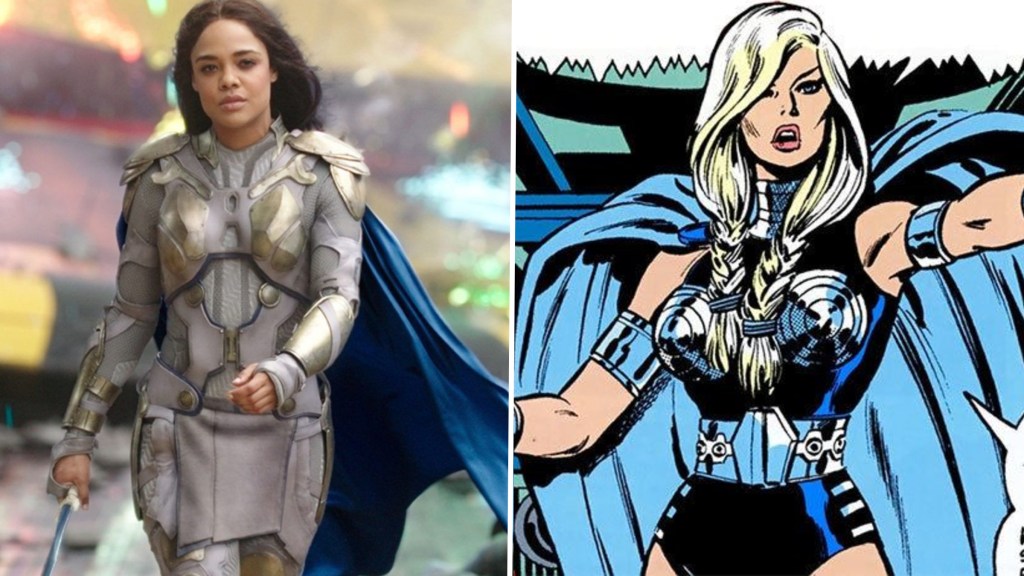
When writer-director James Gunn brought the cosmic team into the modern MCU continuity for 2014’s Guardians of the Galaxy, Yondu was fundamentally rewritten. Transformed from a stoic tribal mystic into the leather-clad, morally ambiguous leader of a space-faring pirate syndicate known as the Ravagers, the character retained only his signature blue skin and the lethal Yaka arrow controlled by his whistle. The addition of heavy trench coats, studded leather armor, and tactical utility gear established a rugged, outlaw aesthetic that perfectly matched Rooker’s distinct screen presence. This profound visual and narrative shift allowed Yondu to evolve from an obscure footnote in vintage comic runs into a universally beloved surrogate father figure, culminating in a tragic and emotionally resonant character arc in Guardians of the Galaxy Vol. 2.
Sculpting the Goddess of Death: Hela
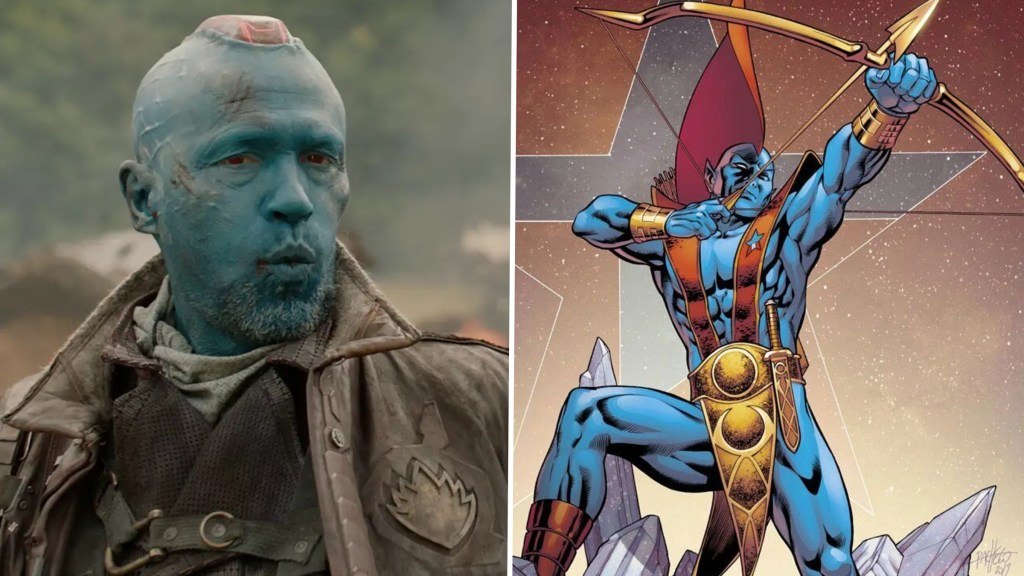
Cate Blanchett’s portrayal of Hela in Thor: Ragnarok stands as a masterclass in cinematic villain design. In Marvel Comics, Hela—based on the Norse mythological figure Hel—was originally created by Stan Lee and Jack Kirby in 1964 as the traditional daughter of Loki, typically depicted with a stark black-and-green costume and a massive, disproportionate horned headdress.
The MCU approached Hela’s aesthetic with calculated subtlety, shifting her primary color palette toward a dominant, obsidian black that visually emphasized her absolute authority over death and destruction. While the iconic spiked headdress was retained, its geometry was sharpened into a more aggressive, angular design that materialized directly from her body as an extension of her power. Furthermore, by rewriting her lineage to establish her as Odin’s firstborn and the forgotten executioner of Asgard’s imperial expansion, Marvel provided a narrative justification for her severe, militaristic regalia. This precise balance of classic comic iconography and sleek, modern haute couture resulted in one of the most striking and efficient antagonists in the studio’s catalog.
Redefining Wakanda’s Rival: M’Baku
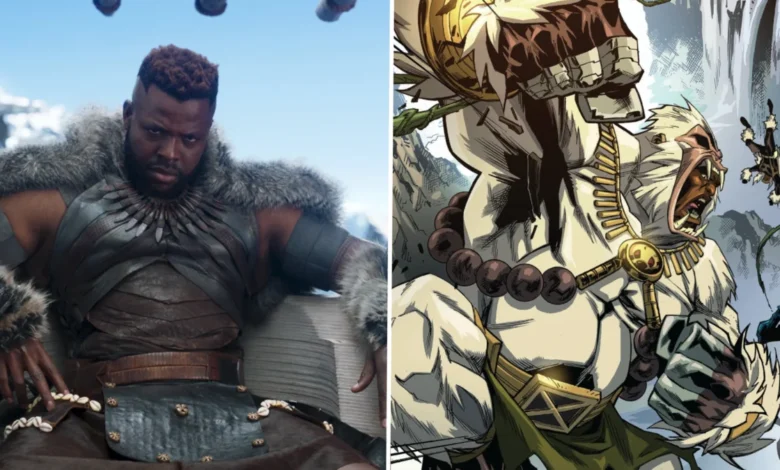
The transition of M’Baku from the printed page to the live-action screen in Ryan Coogler’s 2018 landmark film Black Panther represents one of the most drastic and necessary departures in MCU history. In the comics, the character debuted by Stan Lee and John Buscema in 1969 under the moniker "Man-Ape," a title and visual motif defined by a literal white gorilla-fur costume and primitive tropes that had aged poorly regarding cultural sensitivity.
Recognizing the problematic nature of the original source material, Marvel Studios completely discarded the gorilla gimmick. Instead, Winston Duke’s M’Baku was reimagined as the proud, formidable leader of the Jabari Tribe—an isolated faction of Wakanda that rejected vibranium technology in favor of traditional mountain living. Visually, M’Baku was refashioned into a commanding African warrior wearing organic, bone-accented armor and utilizing physical presence and cultural pride rather than animalistic caricature to establish dominance. This sensitive and empowering redesign transformed a potentially offensive silver-age villain into a nuanced political rival, a vital ally to the throne, and a fan-favorite cornerstone of the Wakandan socio-political landscape.
The Ultimate Redemption Arc: Nebula
Perhaps the most celebrated character evolution within the entirety of the MCU belongs to Nebula, brought to life through Karen Gillan’s transformative physical and emotional performance. Created by Roger Stern and John Buscema in 1985, the comic book version of Nebula was a minor, space-faring mercenary who vaguely claimed a familial connection to Thanos, lacking the visual distinctiveness and psychological depth that would later define her cinematic counterpart.
Under the direction of James Gunn and subsequent filmmakers, the MCU transformed Nebula into the tortured, cyborg adoptive daughter of Thanos and the direct sibling rival to Gamora. Visually, the cinematic design discarded her generic comic appearance in favor of intricate, exposed metallic plating, asymmetric blue skin tones, and severe, bald cranial structures that physically mapped the brutal cybernetic torture inflicted upon her by her adoptive father. This striking visual overhaul served as the canvas for one of the most sophisticated redemption arcs in modern superhero cinema, tracking Nebula from a bitter, vengeful antagonist to an essential member of the Avengers who ultimately assists in saving the universe. The profound success of the MCU’s Nebula was officially codified when Marvel Comics subsequently updated the printed character’s design to mirror Gillan’s live-action appearance, reversing the traditional adaptation pipeline.
Broader Implications and Industry Impact
The continuous willingness of Marvel Studios to alter foundational comic book designs highlights a broader maturation in the adaptation of intellectual property for modern cinematic universes. As superhero cinema evolved from niche geek culture into mainstream global dominance, filmmakers recognized that literal, 1:1 translations of decades-old comic aesthetics frequently fail to translate on a multi-million-dollar film screen.
By prioritizing narrative coherence, thematic resonance, and visual grounding over slavish comic accuracy, the MCU established a new standard for character adaptation. The success of redesigns such as Nebula, M’Baku, and Yondu demonstrates that audiences do not require carbon copies of source material to form emotional attachments; rather, they respond to thoughtful innovation that respects the spirit of the character while elevating them for a new medium. As the MCU continues to navigate its expansive Multiverse Saga and introduce fresh characters from the vast Marvel archives, the blueprint established by these early costume and narrative overhauls remains an essential methodology for successful contemporary franchise storytelling.