Spider-Man: Brand New Day brings a heartwarming story back to the Marvel Universe

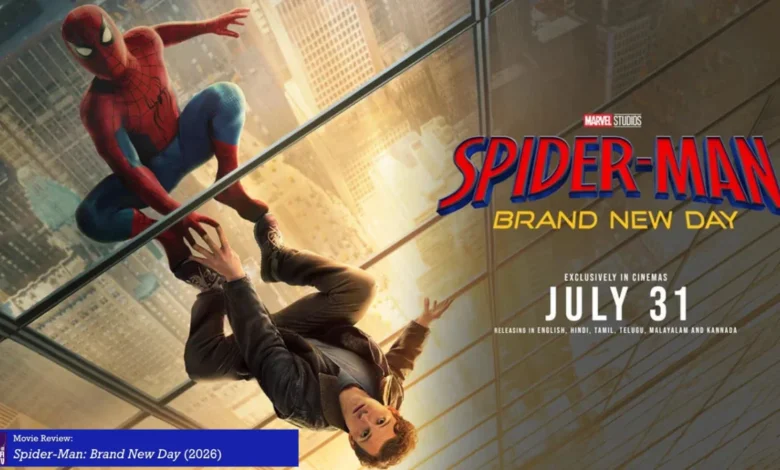
The release of Spider-Man: Brand New Day marks a significant narrative pivot for the Marvel Cinematic Universe (MCU), shifting the scale of superhero blockbusters away from multiversal destruction and back toward grounded, intimate storytelling. Directed by Destin Daniel Cretton and written by the dependable scripting duo Chris McKenna and Erik Sommers, the film continues the chronicle of Peter Parker, played once again by Tom Holland, navigating a reality where the entire world has forgotten his existence. Following the sweeping status-quo reset at the conclusion of Spider-Man: No Way Home, this latest installment leans heavily into the emotional isolation and day-to-day struggles of a young hero operating entirely on his own terms, striving to protect a city that no longer remembers the sacrifices he made for it.
Initial critical assessments from film societies and media analysts, including recent evaluations by critics Noah Richman and Louis Howley, indicate that the film successfully reestablishes the character’s traditional roots while maintaining integration with the broader MCU continuity. Both reviewers awarded the film favorable marks—Richman offering a solid four stars out of five and Howley granting a 3.5 out of 5—highlighting the picture’s emotional resonance, well-integrated cameos, and unexpected narrative twists that benefit from unspoiled viewing experiences.
Main Facts and Production Overview
Spider-Man: Brand New Day is built upon a high-profile creative foundation, drawing from the legendary comic book creations of Stan Lee and Steve Ditko. The production is steered by Destin Daniel Cretton, whose previous work on Marvel’s Shang-Chi and the Legend of the Ten Rings demonstrated an ability to balance dynamic, large-scale action sequences with deeply personal family and community dynamics. The screenplay, crafted by Chris McKenna and Erik Sommers, addresses the heavy fallout of the previous trilogy while introducing new variables into Peter Parker’s universe.
The ensemble cast features the return of core franchise pillars alongside notable additions. Tom Holland anchors the production as Peter Parker, joined by Zendaya. The cast is further expanded by the inclusion of Sadie Sink, Jacob Batalon, Jon Bernthal, Tramell Tillman, Michael Mando, and Mark Ruffalo. This blend of returning fan-favorites and gritty street-level or science-focused performers allows the narrative to traverse various corners of the Marvel continuum, bridging the gap between New York City’s grounded underworld and its broader scientific and heroic community.
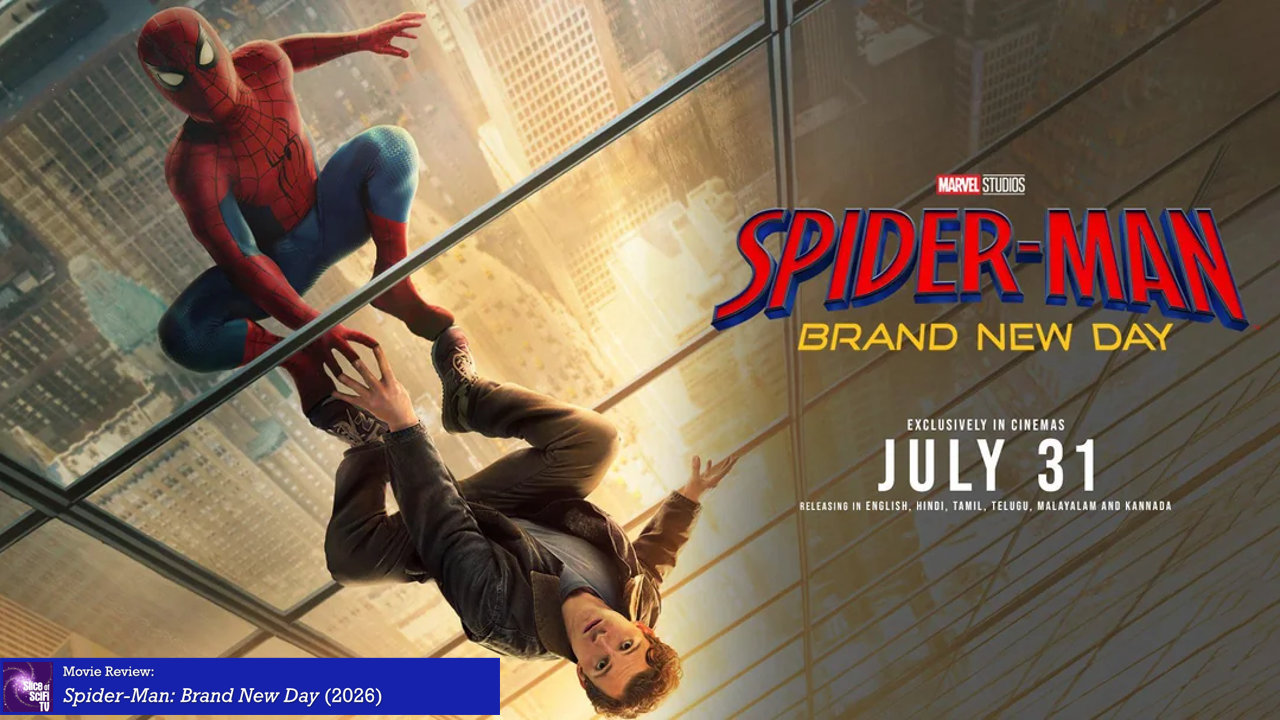
The central conflict of Spider-Man: Brand New Day revolves around Peter’s relentless commitment to fighting crime full-time in a world devoid of personal connections to him. As he watches his former friends—such as Ned Leeds and MJ—move forward with their lives at institutions like MIT, the psychological pressure begins to warp Peter’s perspective. This emotional strain triggers an internal transformation that challenges his limits. Compounding this personal turmoil is an unprecedented physical threat to New York City and his remaining loved ones: a powerful, invisible adversary capable of operating undetected by conventional means, forcing Peter to rely on instincts, intellect, and sheer perseverance rather than advanced Stark technology.
Chronology and Narrative Context
The chronology of Peter Parker’s cinematic journey within the MCU has been defined by rapid escalation and sudden loss. Introduced in 2016’s Captain America: Civil War, the character quickly transitioned from a neighborhood vigilante mentored by Tony Stark into a key participant in cosmic-level conflicts alongside the Avengers in Avengers: Infinity War and Avengers: Endgame.
However, the trajectory altered fundamentally with the conclusion of Spider-Man: No Way Home in December 2021. To save the multiverse from collapsing under the weight of fractured reality lines, Doctor Strange cast a spell that erased Peter Parker from the memories of every living person on Earth, including his closest friends and romantic partner. The final moments of that film depicted Peter living in a modest, unfurnished New York apartment, sewing his own classic red-and-blue suit, and preparing to take his high-school equivalency exams entirely alone.
Spider-Man: Brand New Day picks up a significant period after those events. The narrative chronicles Peter’s transition into early adulthood. Without the safety net of Stark Industries grants, Avengers clearance, or personal advocates in law enforcement and higher education, Parker is subjected to the classic economic and social pressures historically associated with the character in Marvel Comics. The timeline of the film emphasizes endurance, illustrating the quiet resilience required when a hero must protect a populace that views him merely as an anonymous masked phenomenon rather than a cherished peer or protector.
Supporting Data and Critical Consensus
Audience and critical reception during the initial release window has highlighted the film’s tonal shift. Reviewers Noah Richman and Louis Howley have pointed to the picture’s pacing and emotional sincerity as standout elements. Richman, evaluating the film from the perspective of long-form fantasy and science-fiction critique, emphasized the picture’s ability to maintain high engagement without relying exclusively on excessive CGI spectacles. Howley similarly praised the film’s structural choices, noting that the inclusion of strategic cameo appearances fits organically within the contemporary MCU timeline while preserving narrative suspense.

Both critics underscored the importance of consuming the film without prior exposure to plot leaks. Particular emphasis was placed on the film’s third-act twists and the introduction of its primary antagonist, elements that both reviewers believe rely heavily on the element of surprise to achieve their intended emotional and dramatic impact. The critical consensus places the film comfortably in the upper tier of solo superhero outings within the modern franchise era, largely due to its willingness to scale down its ambitions to focus on character growth and psychological endurance.
Analysis of Implications for the Marvel Cinematic Universe
The release and reception of Spider-Man: Brand New Day carry notable implications for the strategic direction of Marvel Studios. In the years following the conclusion of the "Infinity Saga," the MCU expanded its scope significantly across television and feature films, often prioritizing multiverse-spanning arcs, cosmic threats, and sprawling ensemble casts. While these projects achieved substantial box office returns, some sector analysts and fans noted a degree of franchise fatigue resulting from heightened narrative complexity and interconnected requirements.
By focusing tightly on a localized, character-driven conflict, Spider-Man: Brand New Day serves as a corrective measure for the studio’s storytelling methodology. The film demonstrates that audiences remain deeply receptive to smaller-scale stakes, provided the emotional core is handled with sincerity. The narrative choice to leave Peter isolated—devoid of high-tech gadgetry and operating without the institutional support of major superhero teams—recaptures the classic underdog dynamic that defined the character’s origins in print media throughout the 1960s.
Furthermore, the introduction of street-level entities and performers associated with grittier narratives—such as Jon Bernthal’s presence alongside traditional MCU figures—suggests that Marvel Studios is deliberately paving the way for a more integrated approach between its cosmic properties and its urban, crime-drama oriented storylines. This blending of tones could influence how future solo franchises are developed, ensuring that characters operating at street level retain their distinct identities without being constantly subsumed by overarching cosmic events.
As Spider-Man: Brand New Day continues its theatrical run, its performance at the box office and its sustained word-of-mouth momentum will likely serve as a blueprint for upcoming phases of the MCU. By proving that emotional resonance, narrative restraint, and faithful character adaptation can successfully counteract audience fatigue, the film reinforces the enduring viability of serialized cinematic storytelling grounded in relatable human struggles.