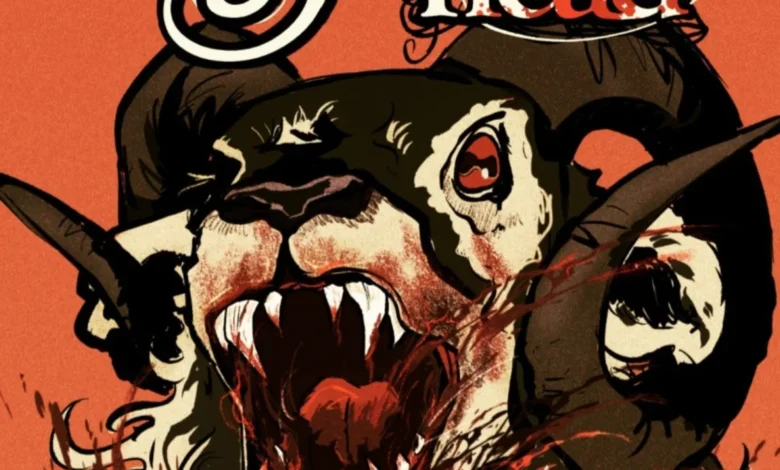
The intersection of folklore, traditional illustration, and modern comic book publishing has long been a fertile

ground for distinctive storytelling. This weekend, the UK comic art scene welcomes a striking addition to this lineage as artist and writer Eva Elizabeth debuts her adult folk-horror comic, Bella Sheephead, at the twentieth anniversary of the Thought Bubble Festival in Harrogate, England. Exhibiting at Redshirt Hall, Table D16, Elizabeth brings to the independent small press a narrative steeped in mythological darkness, exploring intricate themes of shapeshifters, vampires, personal pride, and retribution. Developed in part during her postgraduate studies at Leeds Arts University, the project exemplifies the growing commercial and critical viability of independent folk horror within contemporary sequential art.
The launch of Bella Sheephead arrives at a milestone moment for Thought Bubble, the United Kingdom’s largest and most prominent comic art festival. Running its landmark twentieth iteration on the fourteenth and fifteenth of November at the Harrogate Convention Centre, the event anchors a week-long celebration of comics, illustration, and animation across Yorkshire. Founded in 2007 by Yorkshire-based artist Lisa Wood—widely known by her pen name, Tula Lotay—the festival has expanded from a modest gathering in a Leeds Town Hall basement into an internationally recognized fixture on the global comics calendar. As thousands of creators, publishers, and enthusiasts converge on Harrogate this weekend, small-press creators like Elizabeth remain at the beating heart of the convention’s enduring ethos.

A Dark Descent Into Myth and Folklore
Bella Sheephead represents a deliberate exploration of macabre folklore tailored specifically for mature readers. Moving away from mainstream superhero narratives, Elizabeth’s work dives deep into visceral genre tropes, utilizing traditional penciling techniques paired with digital inking via ProCreate to achieve its distinctive atmospheric aesthetic. The comic’s central narrative weaves together complex motifs involving shapeshifting entities and predatory vampires, all anchored by human failings such as destructive pride and the consuming desire for revenge.
Folk horror as a genre relies heavily on the uneasy relationship between humanity and the untamed natural world, often leveraging isolated rural settings and ancient mythologies to evoke dread. In Bella Sheephead, these elements are refracted through the lens of modern indie comic sensibilities. The artwork reflects a meticulous balance between tactile, hand-drawn textures and clean digital refinement, a style honed during Elizabeth’s academic training. Having completed her Bachelor of Arts at the University of Edinburgh before pursuing her Master of Arts at Leeds Arts University, Elizabeth has systematically dedicated her artistic focus to mythological storytelling and dark folklore, positioning herself as a distinct new voice within the British small-press community.

The Evolution and Cultural Footprint of Thought Bubble
To understand the significance of debuts like Bella Sheephead, one must examine the trajectory of Thought Bubble itself. Established nearly two decades ago in 2007, the festival was initially conceived as an offshoot of the Leeds International Film Festival by Lisa Wood. Its primary mission was singular and vital: to elevate the profile of comic book art, celebrate creators—particularly writers and artists—and provide a dedicated platform for independent publishers and small-press creators who frequently struggle for visibility in mainstream markets.
The inaugural event in the basement of Leeds Town Hall was a modest affair, drawing a couple of hundred attendees. However, the festival’s uncompromising commitment to artistic integrity and community building quickly catalyzed exponential growth. Over the following years, Thought Bubble outgrew its original confines, expanding across venues throughout Leeds. By 2019, logistical challenges involving local council infrastructure and the sheer scale of the growing crowds necessitated a strategic relocation to the Harrogate Convention Centre.

Today, the festival operates as a massive cultural touchstone, drawing tens of thousands of visitors annually. It transforms Yorkshire into a global nexus for sequential art for an entire week, culminating in the weekend convention. Despite its commercial success and international draw, Thought Bubble has fiercely preserved its grassroots identity. Tables in the small press and redshirt halls remain heavily contested incubators for raw talent, allowing university graduates, debut creators, and self-publishers to place their work directly into the hands of avid readers and industry professionals.
Academic Roots and the Rise of the Small Press
The creation of Bella Sheephead underscores the vital pipeline running between higher education arts programs and the contemporary UK comic industry. Institutions such as Leeds Arts University and the University of Edinburgh have increasingly recognized sequential art and illustration as rigorous academic disciplines worthy of sustained critical and creative inquiry. For Elizabeth, the transition from academic researcher to exhibiting small-press creator highlights a broader trend within the medium: emerging artists leveraging institutional resources and mentorship to produce sophisticated, market-ready graphic fiction.

The contemporary small-press landscape in the United Kingdom is currently experiencing a vibrant renaissance, fueled by accessible digital production tools, specialized printing options, and events like Thought Bubble that bypass traditional corporate gatekeeping. Creators retain full intellectual property rights and artistic control, allowing them to experiment freely with niche genres such as folk horror, queer supernatural drama, and avant-garde science fiction. Works like Bella Sheephead benefit immensely from this ecosystem, finding an immediate, appreciative audience among festival-goers actively seeking out bold, uncompromised storytelling.
Industry Implications and Future Outlook
The debut of independent titles at major conventions serves as a vital barometer for the health of the wider comic book industry. While corporate publishers continue to dominate market share through established superhero franchises and licensed properties, the cultural energy and artistic innovation frequently originate at the grassroots level. Festivals like Thought Bubble act as vital testing grounds where new aesthetics, narrative forms, and demographic voices gain traction before rippling outward into the broader literary and artistic spheres.

For Eva Elizabeth, the weekend in Harrogate represents both a culmination of years of academic and artistic preparation and a starting point for her professional career in comics. As adult-oriented folk horror continues to enjoy a cultural resurgence across film, television, and literature, Bella Sheephead arrives at an opportune moment to capture the imaginations of readers hungry for sophisticated, mythologically grounded horror.
As the doors of the Harrogate Convention Centre open for Thought Bubble’s twentieth anniversary, the atmosphere is charged with anticipation. Independent creators, collectors, and industry chroniclers will spend the weekend navigating crowded aisles filled with hand-stapled zines, lavish graphic novels, and provocative new debuts. Amidst this bustling marketplace of ideas and ink, Bella Sheephead stands out as a testament to the enduring power of folklore, reminding audiences that the most compelling stories often lurk in the dark corners of our shared cultural memory.
Related posts: