Vecna brings Dungeons and Dragons terror to Dead by Daylight in major crossover event

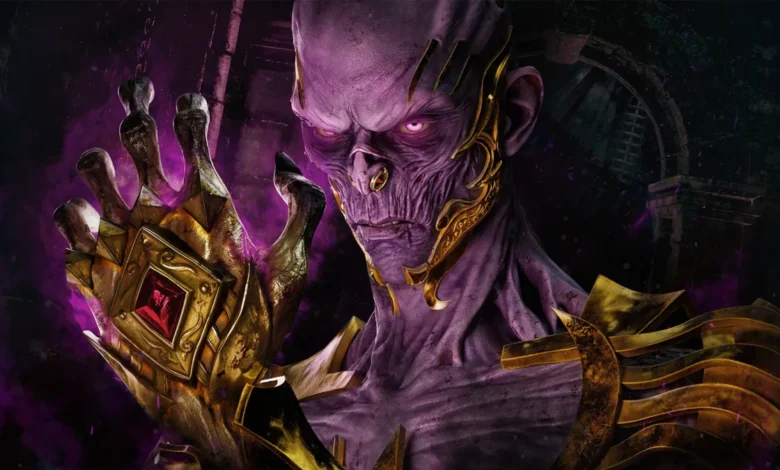
The landscape of asymmetric horror gaming is set for a significant expansion as Behaviour Interactive announces the arrival of the legendary Dungeons and Dragons antagonist, Vecna, into the fog-filled realms of Dead by Daylight. This integration marks a historic collision between the world’s most prominent tabletop role-playing game and one of the most successful horror-themed multiplayer titles in modern gaming history. The collaboration, arriving on June 3, introduces a sophisticated new killer archetype to the game, bolstered by the vocal talents of Matthew Mercer, the renowned Dungeon Master of Critical Role.
The Chronology of a Dark Arrival
The path to this collaboration began with subtle shifts in the marketing strategy of both Wizards of the Coast and Behaviour Interactive. Speculation regarding a Dungeons and Dragons crossover had been circulating among the gaming community for months, fueled by the persistent growth of D&D’s multimedia footprint.
The official confirmation followed a period of targeted teases. On May 7, 2024, the official Dead by Daylight social media channels released a short, cryptic video featuring a Beholder—an iconic D&D creature—languishing in a dungeon prison. This imagery served to prime the player base for a departure from the game’s traditional slasher-horror roots toward a more high-fantasy, magical brand of dread. By May 14, the official reveal confirmed that the antagonist stepping into the Entity’s realm would be none other than the Whispered One, Vecna.
Historical Significance of the Lich King
Vecna holds a unique position in the pantheon of pop culture villains. His origins date back to the 1976 Dungeons and Dragons supplement, Eldritch Wizardry. Created by Brian Blume, the character was initially conceptualized as a fallen sorcerer whose remains—specifically his eye and hand—became the most coveted and dangerous artifacts in the game’s lore.
Over the past four decades, Vecna has evolved from a cryptic myth into a central pillar of D&D’s narrative architecture. His presence has spanned every edition of the game, consistently representing the apex of undead power. His influence reached new demographics recently through his inclusion as a central antagonist in the fourth season of the Netflix global phenomenon Stranger Things, as well as his role as the primary adversary in the first campaign of Critical Role, the massive actual-play series. By securing the rights to feature such a multifaceted villain, Behaviour Interactive is positioning this update to appeal to a broad demographic, ranging from traditional tabletop enthusiasts to fans of modern horror television.
Gameplay Mechanics and Strategic Implications
The introduction of Vecna represents a technical evolution for Dead by Daylight. Unlike the franchise’s traditional killers, who often rely on physical prowess or brute force, Vecna is designed to function as a spellcaster. According to the developer’s press release, the character utilizes a variety of magical abilities, including the iconic "Mage Hand," which allows for telekinetic interaction with the game’s environment. This introduces a level of complexity to the killer’s kit that demands high-level strategic planning, moving the game away from pure "chase-and-strike" mechanics toward a more tactical, zone-control playstyle.
Complementing this new killer is a survivor character, Aestri Yazar. As a bard, Yazar introduces a unique mechanical loop centered on team support. Her perks—Mirror Illusion, Bardic Inspiration, and Still Sight—are designed to shift the survivor meta. Specifically, "Bardic Inspiration" requires players to successfully perform skill checks during a musical performance, which then buffs the repair speed of nearby allies. This emphasis on rhythmic, skill-based gameplay suggests that the developers are looking to increase the skill ceiling for survivors, rewarding those who can maintain composure under pressure.
The Matthew Mercer Factor
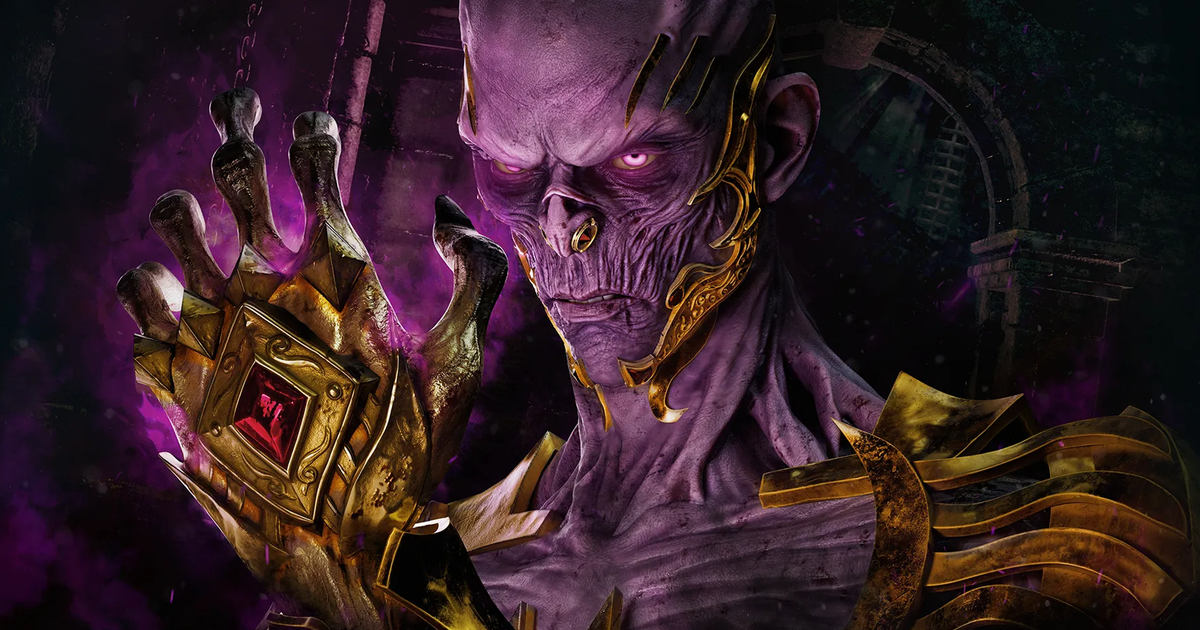
The involvement of Matthew Mercer as the voice of Vecna serves as a strategic bridge between the gaming and tabletop communities. Mercer, who has gained international acclaim for his work on Critical Role and various AAA video games, brings a level of gravitas to the role that aligns with the character’s dark, regal history. From a marketing perspective, the inclusion of a high-profile voice actor of Mercer’s caliber is a signal that the collaboration is intended to be treated as a major narrative event rather than a superficial cosmetic addition.
Market Context and Industry Impact
The crossover between Dead by Daylight and Dungeons and Dragons occurs within a broader industry trend of "franchise blending." Dead by Daylight has previously hosted iconic horror figures such as Freddy Krueger (A Nightmare on Elm Street), Pyramid Head (Silent Hill), and Ghostface (Scream). However, the Dungeons and Dragons collaboration is distinct in its scope. It represents the first time a tabletop gaming brand—rather than a film or digital game franchise—has been fully integrated into the Dead by Daylight ecosystem.
This move underscores the current market reality: intellectual property (IP) is the primary driver of engagement in the live-service sector. By leveraging the deep lore of D&D, Behaviour Interactive is not only refreshing its content but also tapping into the massive, pre-existing community managed by Wizards of the Coast. Conversely, Wizards of the Coast benefits from the continued exposure of its characters in high-fidelity 3D environments, keeping D&D relevant to a younger, digitally native audience that may have limited exposure to physical tabletop books.
Analysis: What This Means for the Future
The integration of high-fantasy elements into a horror game presents both risks and rewards. Critics of the crossover might point to the potential for "tone drift," where the grim, grounded horror of Dead by Daylight’s original setting is diluted by the presence of wizards and spells. However, if executed correctly, this integration could redefine the scope of the game, proving that the horror genre is flexible enough to accommodate supernatural fantasy elements.
The success of this launch on June 3 will likely set a precedent for future collaborations. If player engagement metrics remain high, it is highly probable that other high-fantasy or dark-fantasy properties will look to emulate this model. The key will be the balance between the new "magic" mechanics and the game’s established core loop. If the spells prove too powerful or disruptive, it could lead to balance issues that frustrate the community. However, if the mechanics are finely tuned, it could lead to a renaissance of gameplay variety, where survivors must adapt to a more cerebral form of pursuit.
Conclusion
As the launch date approaches, the excitement surrounding the Vecna pack is palpable. With the dual appeal of a world-famous antagonist and a new, skill-reliant survivor class, the update promises to be one of the most substantial shifts in Dead by Daylight’s history. The combination of Behaviour Interactive’s technical expertise and the rich, decades-old narrative history of Dungeons and Dragons suggests a high-production-value event.
For the millions of players who log into the game daily, the addition of Vecna is more than just a new character; it is an expansion of the game’s universe. Whether the "Whispered One" will dominate the trials or succumb to the survivors remains to be seen, but one thing is certain: the fog will never be the same again. With the support of professional talent like Matthew Mercer and the backing of one of the largest names in gaming, this crossover is poised to be a benchmark for how established IPs can be integrated into the live-service model, ensuring that the legacy of Vecna continues to haunt both the tabletop and the digital screen for years to come.