Greta Gerwig Unveils Bold Rock Opera Aesthetic for Upcoming Chronicles of Narnia: The Magician’s Nephew Adaptation

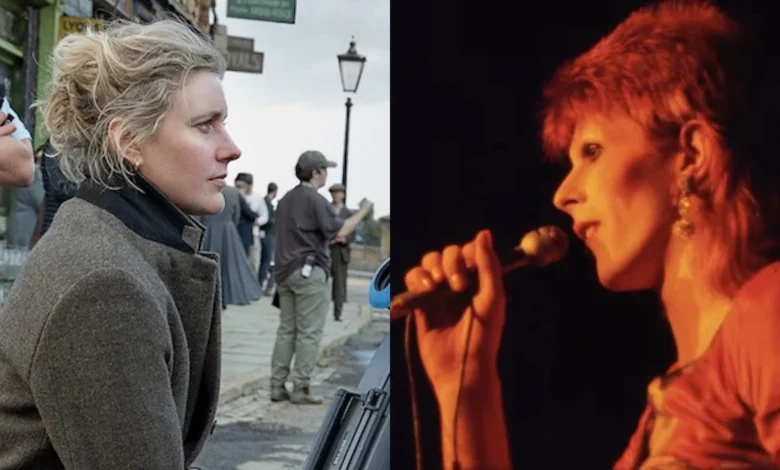
The cinematic landscape of C.S. Lewis’s beloved literary series, The Chronicles of Narnia, is set for a radical aesthetic evolution as director Greta Gerwig prepares to helm the franchise’s next major installment. In a recent exclusive reveal with Empire, Gerwig clarified her stylistic intentions for Narnia: The Magician’s Nephew, currently slated for a theatrical release on February 12, 2027. Moving away from the traditional high-fantasy visual tropes established by previous film adaptations, Gerwig has opted to infuse the production with the sensibilities of a "rock opera," drawing direct inspiration from the British glam rock era of the 1960s and 1970s.
Despite the nomenclature, the production team has explicitly confirmed that the film will not be a traditional musical. There will be no choreographed song-and-dance numbers or characters breaking into lyricized dialogue. Instead, the "rock opera" descriptor serves as a thematic and visual framework, intended to evoke the expansive, transformative energy associated with the genre. Gerwig’s approach represents a bold stylistic departure that seeks to reinterpret the mythic origins of Lewis’s fantasy world through a lens of classic rock iconography, citing legendary figures such as David Bowie, Pete Townshend, and Jimmy Page as fundamental creative touchstones.
The Chronology of Development
The path to this unconventional adaptation began in 2018 when Netflix secured the rights to the entirety of C.S. Lewis’s seven-book Narnia saga. The streaming giant’s acquisition marked a significant shift for the franchise, which had previously been adapted across three major motion pictures between 2005 and 2010 by Disney and 20th Century Fox. Following a prolonged period of development, it was announced in July 2023 that Greta Gerwig, fresh off the massive success of her directorial work on Barbie, would write and direct at least two of the planned films.
Throughout 2024 and 2025, production remained largely behind closed doors as the creative team navigated the logistical challenges of translating the series’ complex mythology. By early 2026, the project entered formal pre-production, with the release window solidified for early 2027. The recent September 2026 announcement marks the first significant public disclosure of the film’s visual and tonal direction, setting a high bar for audience expectations as the marketing cycle begins to accelerate.
Conceptualizing a World Made of Music
Central to Gerwig’s vision is the interpretation of Narnia’s creation myth. In The Magician’s Nephew—the prequel that documents the birth of the world—the lion Aslan brings Narnia into existence through the power of song. Gerwig has leveraged this narrative beat to justify her aesthetic choices, stating that because the world was literally "sung into existence," she wanted the visual language of the film to feel like an extension of the music that shaped her own life.
By shifting the setting from the turn of the 20th century—as originally depicted in the novel—to a stylized 1950s Britain, Gerwig aims to create a bridge between the mundane world and the fantastical realm. When characters transition into Narnia, the color palette and design shift into the maximalist, glitzy, and surrealist aesthetic of the 1960s glam rock scene. This juxtaposition is intended to provide a "transporting" experience, mirroring the way listeners feel when immersed in a complex, multi-layered rock album.
Casting and Production Milestones
The production has garnered significant industry attention, particularly with the announcement that Academy Award-winning actress Meryl Streep will provide the voice for Aslan. This casting choice is seen as a strategic move to lend gravitas to the central figure of the series. Aslan, the creator and moral compass of the Narnia books, has historically been a CGI-heavy role; pairing such a high-profile talent with a non-traditional stylistic approach suggests that Netflix is investing heavily in both the performance and the unique atmosphere of the film.
Industry analysts have noted that the decision to prioritize style over standard fantasy realism reflects a broader trend in high-budget filmmaking, where directors are given greater autonomy to impose singular, auteur-driven visions onto established intellectual property. This approach, while risky, often results in stronger brand differentiation, which is essential in a crowded streaming and theatrical market.
Economic and Cultural Implications
The shift in tone for the Narnia franchise carries significant financial stakes. With the rights to the series representing one of Netflix’s most substantial investments in family-oriented IP, the studio faces the pressure of appealing to both the existing, multi-generational fan base of Lewis’s novels and a younger audience familiar with modern visual spectacles.
From a production standpoint, the adoption of a glam rock aesthetic allows for a distinct visual identity that separates this iteration from the previous films. Where the early 2000s adaptations emphasized classical, pastoral fantasy elements, Gerwig’s version appears to favor a more psychedelic and avant-garde approach. This may alienate purists who prefer a strictly traditional interpretation of the source material, but it simultaneously creates an opportunity to capture the interest of audiences who appreciate experimental cinematography and production design.
Furthermore, the choice to utilize rock-inspired themes without turning the film into a literal musical allows the production to maintain its pacing as a narrative-driven adventure. The "rock opera" label serves as a sophisticated marketing tool that promises high-octane energy and emotional resonance without the traditional baggage of the musical genre, which has faced a fluctuating reception at the box office in recent years.
Future Outlook and Critical Reception
As the February 2027 release date approaches, the film will face intense scrutiny regarding its narrative cohesion. A major point of interest for critics will be how effectively Gerwig balances the whimsy of Lewis’s original text with the aggressive stylistic flourishes of the glam rock era. The core challenge for the production team will be ensuring that the visual aesthetic serves the narrative, rather than distracting from it.
In terms of market competition, the February 2027 window is already becoming a focal point for major studio releases. By positioning a fantasy epic as a high-concept "rock opera," Netflix is clearly aiming to dominate the cultural conversation, attempting to replicate the viral, event-level success that defined Gerwig’s previous work.
For fans of the series, the coming months will likely reveal more regarding the visual effects, costume design, and specific narrative deviations from the book. Whether this bold artistic gamble succeeds in reinvigorating the Narnia franchise will ultimately be decided by the audience’s willingness to embrace a radical, music-infused departure from the traditional literary adaptation. For now, the industry remains in a state of anticipatory analysis, waiting to see if the "world made of music" can resonate as deeply with the public as it has with the director.
The integration of such a specific subcultural aesthetic into a mainstream family franchise is an ambitious undertaking. It signals a move toward a new era of "auteur-fantasy," where the vision of the filmmaker is prioritized to ensure that the adaptation feels fresh and distinct. While the success of such a gamble is never guaranteed, it is evident that Greta Gerwig’s take on Narnia will be one of the most discussed projects in the upcoming years, setting a new precedent for how legacy properties are revitalized for a modern, global audience.