Terraria: The Board Game prepares for crowdfunding launch as tabletop adaptation aims to capture the sandbox phenomenon

The highly anticipated tabletop adaptation of the global video game sensation Terraria is scheduled to officially enter its crowdfunding phase on May 28, 2024. Developed by Paper Fort Games in official collaboration with the original creators, Re-Logic, this project seeks to distill the sprawling, open-ended nature of the 2D "mine-and-craft" masterpiece into a cooperative board game experience. As the release date approaches, anticipation continues to build within both the gaming community and the tabletop industry, marking a significant crossover event for a title that has sold over 58 million copies since its initial release in 2011.
A Legacy of Adaptation
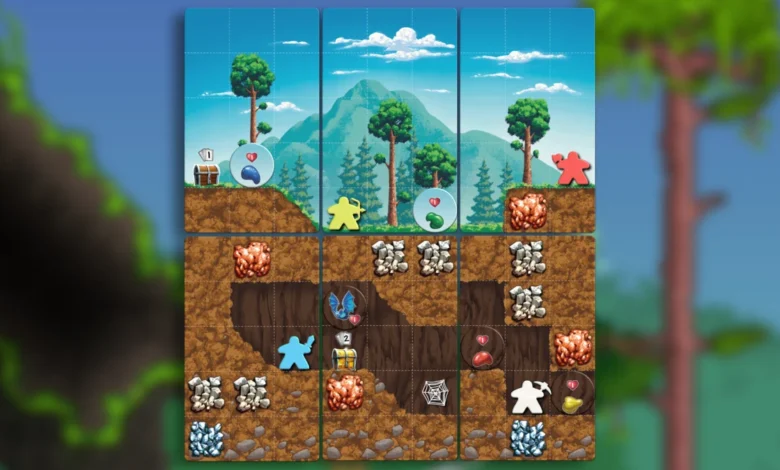
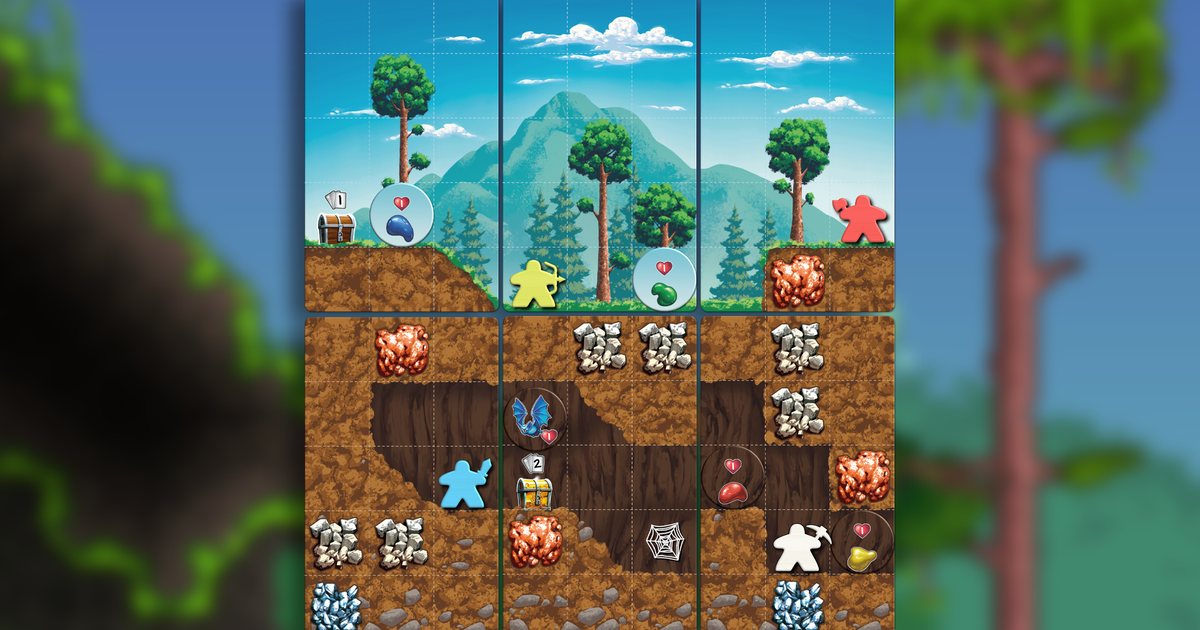
The journey toward a physical version of Terraria began with the announcement last summer, confirming that Re-Logic had vetted Paper Fort Games to helm the ambitious project. For a game defined by its virtually limitless exploration, procedural generation, and intricate progression systems, translating these mechanics into a physical format is a formidable technical challenge. Paper Fort Games has opted for a design philosophy that prioritizes modularity, utilizing a grid-based system of cards to simulate the video game’s signature biomes. This approach allows players to generate a unique, randomized world every time they play, mirroring the replayability that made the digital version a staple of the sandbox genre.
Core Mechanics and Gameplay Integration
At its heart, Terraria: The Board Game is a cooperative endeavor designed for one to four players. The gameplay loop is anchored by an action-point system, which dictates the pace of exploration, mining, and combat. Players must manage these points strategically to navigate the 2D world, delving into underground caverns and traversing diverse surface environments.
One of the most innovative features revealed by the development team is the equipment system. To maintain visual and mechanical continuity with the video game, the designers have implemented transparent cards that can be layered directly over character boards. This allows players to visually "equip" their avatars with specific armor sets and gear upgrades. Beyond cosmetic appeal, these items directly influence combat effectiveness by modifying dice outcomes and providing passive buffs.
Combat is a central pillar of the experience, with over 30 distinct enemy types pulled directly from the video game’s bestiary. These encounters are designed to challenge players, requiring them to utilize a combination of action cards and specialized gear to overcome threats. For those who prefer the structural and social aspects of the game, the board game includes a base-building mechanic. By constructing housing, players can attract NPCs to their settlement, providing essential support, crafting station upgrades, and logistical bonuses that are vital for surviving the game’s more difficult challenges.
Boss Battles and Strategic Depth
A hallmark of the Terraria experience is the "Boss Fight," a climactic hurdle that tests a player’s preparation, gear, and mechanical skill. The board game replicates this through a series of six modular boss encounters. Each boss is represented by a physical miniature designed to evolve or change as it takes damage, providing a tangible sense of progression during the battle.
These sessions are balanced for a runtime of approximately 90 minutes to two hours. To ensure high replayability, the game utilizes a customizable objective system. Before each session begins, players can adjust the mission parameters, allowing for varied session goals. Whether the focus is on a combat-heavy run or a resource-gathering expedition, the flexible nature of these scenarios is intended to provide a tailored experience for different player preferences.
Chronology of Development and Industry Context
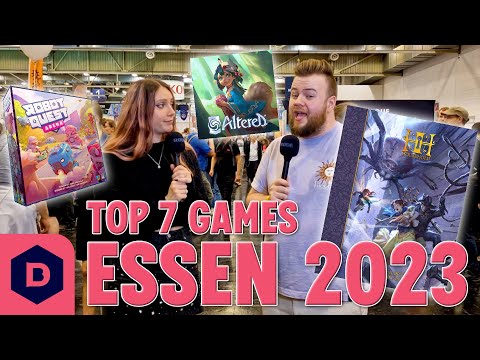
The move to Kickstarter follows a period of rigorous playtesting and visibility at industry-leading events. The game garnered significant attention at Essen Spiel 2023, where early demonstrations solidified its reputation as a faithful adaptation. The timeline of this project reflects a broader trend in the tabletop industry, where successful indie video game franchises are increasingly seeking to expand their intellectual property through physical goods.
Terraria, as a franchise, is uniquely suited for this transition. Having maintained a decade of consistent content updates—most notably the 1.4 "Journey’s End" update and subsequent patches—the brand has fostered a loyal, multi-generational player base. Paper Fort Games’ decision to focus on a cooperative model aligns with the collaborative spirit of the original video game, where players frequently team up to conquer challenging bosses or build intricate architectural projects.
Economic and Market Implications
The crowdfunding launch on May 28 represents a critical milestone for Paper Fort Games. In the modern tabletop market, Kickstarter serves as both a distribution platform and a barometer for market interest. Given Terraria’s massive digital footprint, the project is expected to be one of the most significant tabletop campaigns of the year.
The economic implications for such a project are two-fold. First, it validates the strategy of using established indie video game IP to drive engagement in the physical hobby sector. Second, it highlights the technical evolution of board games, which are increasingly using complex, multi-layered components—such as the transparent card system—to mimic the interactive depth of digital software. By moving away from static game boards toward modular, procedural card systems, developers are finding new ways to bridge the gap between traditional board games and the digital sandbox genre.
Official Stance and Future Prospects
While Re-Logic has maintained a high level of oversight to ensure the board game retains the "soul" of the source material, the creative autonomy of Paper Fort Games remains a point of focus for backers. The collaboration suggests a long-term interest in diversifying the Terraria brand. Although no full retail release date has been finalized, the successful funding of the Kickstarter campaign is expected to trigger a production schedule that will see the game reach the hands of backers before expanding to general retail channels.
The board game is designed to be accessible to those who may not have spent thousands of hours in the video game, yet it contains enough depth and "Easter eggs" to satisfy veteran players. By emphasizing the four pillars of the original—exploration, combat, building, and progression—the adaptation attempts to solve the "translation problem" that has historically plagued video game-to-board-game projects.
Conclusion
As the May 28 crowdfunding date approaches, the board game industry is watching closely. The success of this project will likely hinge on the balance between its complexity and the ease of play. If Paper Fort Games can successfully capture the "one more turn" feeling that defines the Terraria digital experience, they will have established a new benchmark for how sandbox video games can be effectively adapted into the tabletop space.
The integration of modular boss miniatures, a dynamic world-generation system, and a robust character-customization mechanic suggests that the project is well-positioned to meet the high expectations of the community. With a proven, massive IP and a design that honors the core tenets of the source material, Terraria: The Board Game stands as a testament to the enduring appeal of the Terraria universe and its capacity to transcend the digital medium. Investors, players, and tabletop enthusiasts alike are now poised to see if this physical iteration can replicate the monumental success of its digital counterpart.