Stephen King Calls Supernatural Horror Never After Dark Amazing and Haunting in First Trailer

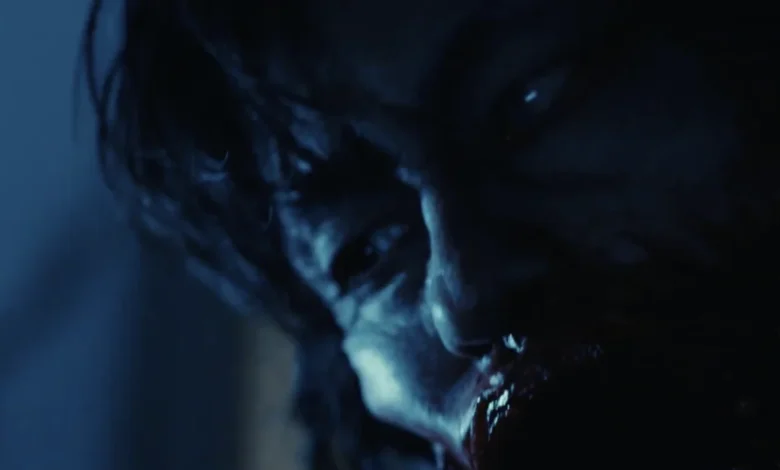
The genre-defining master of horror, Stephen King, has officially lent his voice to the growing anticipation surrounding Magnolia Pictures’ latest supernatural offering, Never After Dark. Following a successful theatrical rollout that began on September 25, 2026, the film is set to expand its reach to a wider audience through VOD and digital platforms on October 27, 2026. This digital premiere comes on the heels of a critically lauded festival run, positioning the film as a significant entry in the 2026 horror calendar.
Directed by Dave Boyle—a filmmaker currently garnering significant industry attention for his attachment to the upcoming remake of the Japanese horror classic Pulse—Never After Dark serves as a sophisticated blend of atmospheric tension and psychological dread. The film features a central performance by Moeka Hoshi, widely recognized for her breakout role in the acclaimed series Shōgun. In this narrative, Hoshi portrays Airi, a medium tasked with guiding restless spirits into the afterlife, a process complicated by the constant, spectral presence of her deceased sister, Miku, played by Kurumi Inagaki.
A Narrative Rooted in Isolation and Discovery
The plot of Never After Dark centers on a classic horror trope—the isolated country house—yet elevates it through a specific focus on the psychological toll of mediumship. Airi is summoned to a remote location to perform an exorcism, only to find herself confronted by a malevolent entity that defies her previous experiences with the supernatural. As the narrative progresses, the investigation into the property’s dark history uncovers a layer of human-driven malice that challenges the traditional boundaries of the ghost story.
The film’s ensemble cast, which includes Kento Kaku, Mutsuo Yoshioka, Bokuzō Masana, and Tae Kimura, provides the necessary gravitas to anchor the film’s supernatural elements. By shifting the threat from the ethereal to the potentially corporeal, Boyle attempts to bridge the gap between supernatural folk horror and grounded thriller dynamics.
Critical Reception and Festival Accolades
The momentum for Never After Dark began earlier in the year, most notably at the 2026 Overlook Film Festival. The film secured the Grand Jury Prize for Feature Film, a significant endorsement that signaled its quality to both distributors and genre enthusiasts. The Overlook Film Festival is widely considered a bellwether for excellence in horror, and this win served as a catalyst for the subsequent theatrical acquisition by Magnolia Pictures.
While the critical consensus has been largely positive, some reviewers have noted the complexities of the film’s structure. In a review for Dread Central, critic Chad Collins highlighted the efficacy of Moeka Hoshi’s performance, noting her ability to ground the supernatural narrative in genuine emotional stakes. Collins observed that while the film’s competing thematic elements—shifting between traditional ghost-hunting and psychological thriller—occasionally struggle for cohesion, the atmospheric scares and the technical execution of the set pieces make it a compelling viewing experience.
The Evolution of Dave Boyle’s Career
The release of Never After Dark represents a pivotal moment in the career of director Dave Boyle. Having established himself as a versatile filmmaker, his recent transition into the horror genre has been met with industry curiosity. The announcement that he is set to direct the reimagining of Pulse, a title that holds immense historical weight in the J-horror canon, has put his current work under a microscope.
Industry analysts suggest that Boyle’s success with Never After Dark—particularly his ability to handle supernatural themes with a measured, patient approach—has been a primary driver in the confidence studios have placed in his upcoming projects. The film demonstrates a commitment to building dread through pacing rather than relying solely on jump scares, a technique that aligns with the current trend of "elevated horror" that has dominated the box office for the better part of the decade.

Market Implications and Distribution Strategy
The decision to release Never After Dark on VOD and digital platforms on October 27 is a strategic move designed to capitalize on the proximity to Halloween. In the current media landscape, horror films typically experience a spike in digital rentals and purchases during the final week of October. By timing the digital release to coincide with this seasonal trend, Magnolia Pictures is maximizing the film’s exposure to a demographic that increasingly prefers home viewing for niche and independent genre content.
The limited theatrical run that commenced on September 25 served as a "prestige" buffer, allowing the film to gather reviews and word-of-mouth buzz before the broader digital release. This "hybrid" distribution model has become a staple for independent distributors, balancing the need for a theatrical footprint with the reality of consumer behavior in 2026.
The Stephen King Effect
In the modern digital era, the endorsement of a project by an author of Stephen King’s stature carries immense weight. His public recognition of the film as "amazing and haunting" acts as a powerful marketing tool that transcends traditional advertising. For independent films, such endorsements can be the difference between a project being overlooked and it becoming a cult phenomenon.
King’s appreciation for the film likely stems from its focus on the atmospheric weight of its setting and the character-driven nature of its horror. By highlighting the film’s "haunting" quality, King validates the efforts of director Dave Boyle and his team in crafting a story that prioritizes tone over spectacle.
Comparative Analysis of 2026 Horror Trends
Never After Dark exists within a crowded landscape of supernatural horror. When compared to other notable entries from 2026, the film differentiates itself by focusing on the professional life of its protagonist. Rather than being a victim of circumstance, Airi is a practitioner of the supernatural arts. This shift in perspective—viewing the haunting from the lens of an exorcist—allows for a more clinical examination of the film’s antagonist.
Data from the first half of 2026 indicates a steady appetite for films that blend international folklore with modern psychological concerns. Never After Dark taps into this by grounding its narrative in the specific cultural context of Japanese supernatural belief, while maintaining a universal accessibility that resonates with Western audiences.
Looking Toward the Future
As the October 27 digital release date approaches, the industry will be watching to see how the film performs in the home video market. If the audience response mirrors the critical success at the Overlook Film Festival, Never After Dark could establish itself as a mainstay of late-October viewing lists for years to come.
Furthermore, the success of this film serves as a precursor to the broader conversation regarding the Pulse remake. Should Boyle deliver another refined, technically proficient horror entry with his next project, he will likely solidify his position as a leading voice in the genre. For now, the focus remains on the arrival of Never After Dark to digital homes everywhere, offering audiences a chilling exploration of what happens when the lines between the living, the dead, and the truly malicious begin to blur.
The film’s trajectory, from its festival debut to its digital premiere, is a testament to the enduring appeal of the supernatural ghost story when handled with care, craft, and a keen eye for atmospheric terror. Whether viewed in a theater or from the comfort of one’s home, Never After Dark invites its audience to look closely into the shadows—and to be prepared for what might look back.