Behind the Seams of Sound: How Stylist Jané Roubleau and Rising Star Kashus Culpepper Crafted a 1960s-Inspired Visual Identity for Honda Stage

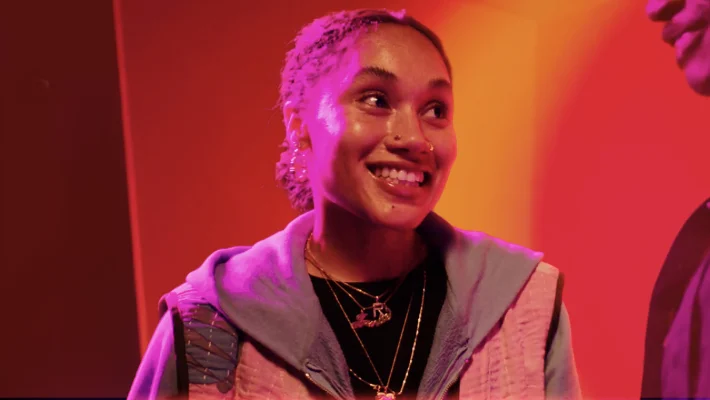
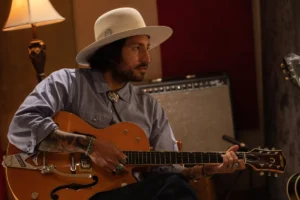
The intersection of music and fashion has long served as a vital cultural barometer, defining eras, movements, and individual artistic trajectories. In the modern landscape of music promotion, where visual storytelling is just as crucial as audio fidelity, the stakes for live performance styling have never been higher. This dynamic came to the forefront recently at UPROXX’s state-of-the-art FYI Studios, where emerging musical talent Kashus Culpepper prepared to deliver a stirring rendition of his breakout track, “Til The Sun Goes Down,” for the Honda Stage platform. However, before a single note could be tracked or a camera could roll, a meticulous creative transformation took place behind the scenes—one that required the artist to relinquish his personal aesthetic control to seasoned Los Angeles-based stylist and costume designer Jané Roubleau.
The resulting collaboration offers a fascinating glimpse into the mechanics of modern artist development, bridging the gap between personal vulnerability and public-facing persona. By drawing heavy inspiration from the cinematic and musical icons of the 1960s, Roubleau constructed a visual narrative that did not merely accompany Culpepper’s performance, but actively elevated the emotional resonance of the music itself. As platforms like Honda Stage continue to champion breakthrough artists by merging raw musical talent with high-concept cultural expressions, the partnership between Culpepper and Roubleau underscores the profound impact that professional styling has on an artist’s burgeoning career.
The Art of Intentional Dressing: Jané Roubleau’s Industry Journey
To understand the weight of the styling choices made for the Honda Stage session, one must examine the career trajectory of Jané Roubleau. Operating out of the competitive and fast-paced environment of Los Angeles, Roubleau has established herself as a formidable force in both styling and costume design. Her approach to fashion is neither accidental nor superficial; it is rooted in a lifelong philosophy regarding personal presentation and societal interaction.
Reflecting on the genesis of her career, Roubleau traces her passion back to her formative years. Long before she was outfitting prominent figures for high-profile media appearances and musical showcases, she was meticulously curating her own daily wardrobe. For Roubleau, clothing has always functioned as a non-verbal communication tool—a primary text through which an individual introduces themselves to the world before speaking a single word.
“I discovered my love for styling when I was younger. I was very intentional about my fits every single day,” Roubleau explains. This hyper-focus on intentionality translated directly into her professional philosophy: “When I left the house, I genuinely believed how you dress is how you want to be addressed.”
This foundational belief dictates her work with musicians, actors, and public figures today. In an industry where image is frequently commodified and detached from authenticity, Roubleau approaches costume and wardrobe design as an extension of the artist’s psychological state. When tasked with outfitting Kashus Culpepper for his Honda Stage performance, she recognized that her job extended far beyond simply making the artist look visually appealing. She needed to translate his lyrical themes, vocal timbre, and personal brand into a tangible, wearable aesthetic that would resonate with viewers through a screen.
The Vulnerability of Collaboration: Kashus Culpepper’s Relinquishment of Control
For an emerging artist carving out a distinct identity in the competitive music industry, wardrobe is often a protective armor. Musicians frequently maintain strict control over their public image, using familiar garments to project a sense of authenticity and continuity to their growing fan base. Consequently, handing over styling duties to an outside professional requires a significant degree of trust.
For Kashus Culpepper, the process of collaborating with Jané Roubleau was initially fraught with apprehension. Culpepper, known for his raw, emotive vocal delivery and authentic songwriting style, found himself stepping far outside his comfort zone when he agreed to let a professional completely direct his look for the Honda Stage recording.
“Giving over my styling to Jané is just so vulnerable,” Culpepper admits, offering a candid assessment of the artistic risk involved. To articulate the emotional weight of this surrender, the rising singer draws a direct parallel to his primary craft: songwriting. “It’s almost like when you’re writing a song and you’re collaborating,” he notes.
In a collaborative songwriting session, an artist must be willing to expose half-formed ideas, accept critique, and allow another creative mind to alter the trajectory of a melody or lyric. Similarly, stepping into Roubleau’s curated wardrobe required Culpepper to temporarily suspend his self-styling instincts and trust an external vision. This vulnerability, however, ultimately fostered a deeper creative synergy. By allowing Roubleau to challenge his sartorial boundaries, Culpepper opened the door to a more elevated visual presentation that he could not have achieved entirely on his own.
Channeling the 1960s: The Aesthetic Blueprint
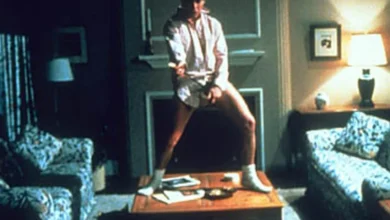
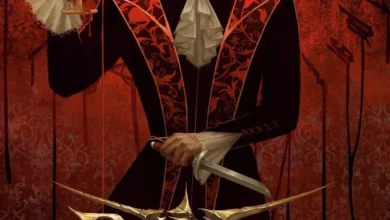
When Roubleau first assessed Culpepper’s performance needs for “Til The Sun Goes Down,” she bypassed contemporary streetwear trends in favor of a richer, more historically grounded aesthetic framework. Drawing heavily upon the cinematic and musical icons of the 1960s, Roubleau sought to infuse the modern performance with a timeless, classic coolness.
The 1960s represented a golden era of stylistic juxtaposition in music and film—a period where tailored sophistication met rebellious counterculture. By tapping into this visual lexicon, Roubleau aimed to position Culpepper not just as a contemporary internet-era breakout act, but as an artist tethered to a rich lineage of timeless performers. However, honoring historical reference points did not mean erasing the artist’s established identity. Roubleau was careful to preserve core elements of Culpepper’s signature look to ensure he remained grounded and recognizable to his core audience.
Chief among these preserved elements was Culpepper’s signature bandana. Rather than discarding the accessory in favor of a completely foreign high-fashion look, Roubleau integrated the bandana into the 1960s-inspired framework, using it as a bridge between the artist’s authentic personal style and the elevated costume design. Furthermore, she pushed Culpepper to expand his comfort zone by incorporating significantly more jewelry into the ensemble. This addition of metallic accents and period-appropriate layering caught the studio lighting dynamically, enhancing the visual cadence of his stage movements and adding a layer of rock-and-roll swagger to his overall presentation.
Translating Lyrics into Wardrobe: The Narrative Arc of “Til The Sun Goes Down”
The true success of any music-related styling endeavor lies in its ability to visually echo the thematic content of the song being performed. In the case of “Til The Sun Goes Down,” the lyrical narrative deals heavily with themes of heartbreak, emotional resilience, moving forward, and the lingering melancholy that settles in after dusk.
Roubleau’s styling choices were meticulously engineered to mirror this complex emotional spectrum. Rather than relying on bright, uncomplicated wardrobe choices that might clash with the bittersweet tone of the track, the curated look struck a delicate balance between confidence and vulnerability.
“The styling that we went for does give off the confidence that I’ve moved on and you’re going to be okay, but not really too great after the sun goes down,” Culpepper reflects, evaluating how effectively the wardrobe completed the storytelling loop.
This synergy transformed the performance space at UPROXX’s FYI Studios. The interplay between the subdued, sophisticated lighting, the architectural elements of the Honda Stage set, and the tailored 1960s-inflected wardrobe created a cohesive sensory experience. For viewers streaming the performance online or watching the exclusive behind-the-scenes footage captured by Roubleau, the visual cues reinforced the lyrical narrative, proving that thoughtful wardrobe design can serve as an active participant in musical performance rather than a passive backdrop.
The Broader Implications: The Evolution of Artist Discovery on Honda Stage
The collaboration between Kashus Culpepper and Jané Roubleau on the Honda Stage platform highlights a broader, ongoing evolution in how major brands support and cultivate emerging musical talent. In the contemporary digital entertainment ecosystem, the barrier to entry for recording music has lowered dramatically, resulting in an unprecedented volume of new artists competing for consumer attention. Consequently, breaking through the digital noise requires more than just a strong vocal performance; it demands a 360-degree creative identity that encompasses sound, fashion, visual art, and narrative branding.
Launched as a flagship platform for music, culture, and emerging talent, Honda Stage has consistently positioned itself at the vanguard of this holistic artist development model. By building upon a deep foundation of celebrating breakthrough artists and chronicling their journeys of discovery, the platform provides resources that allow musicians to experiment with various facets of their creativity.
Historically, emerging artists often struggled to access high-level creative professionals like top-tier stylists, costume designers, and high-end production studios until much later in their commercial careers. Platforms that bridge this gap by facilitating high-production-value sessions accelerate an artist’s professional maturation. When an emerging talent like Culpepper is given access to professional styling infrastructure, it not only enhances the immediate quality of the content produced but also educates the artist on the value of visual branding for their future career trajectory.
Furthermore, the integration of exclusive behind-the-scenes content—such as the footage captured by Roubleau during the styling process—serves a vital function in modern audience engagement. Today’s consumers are increasingly skeptical of overly polished, manufactured pop stars; they crave authenticity, transparency, and a look behind the curtain. By documenting the vulnerability of the fitting room, the creative negotiations between artist and stylist, and the deliberate thought process behind the wardrobe, the platform humanizes the artist. Fans are no longer just passive consumers of a finished music video; they become witnesses to the artistic process itself, fostering a deeper, more loyal connection between the listener and the performer.
Conclusion: A Blueprint for Modern Collaborative Performance
As the lines between music, fashion, and digital media continue to blur, partnerships like the one forged between Kashus Culpepper and Jané Roubleau on the Honda Stage establish a compelling benchmark for future artist showcases. By combining Culpepper’s raw musical authenticity with Roubleau’s historically informed, intentional costume design, the collaboration successfully elevated a standard live performance into a multi-dimensional cultural statement.
As viewers continue to stream Culpepper’s performance of “Til The Sun Goes Down” and explore Roubleau’s exclusive behind-the-scenes documentation, the lasting takeaway is clear: the most memorable artistic moments happen when creators are willing to step outside their comfort zones, embrace vulnerability, and allow fashion and sound to speak with one unified voice. In an industry defined by constant change, this synthesis of rigorous artistic collaboration ensures that both music and style will continue to evolve hand in hand.