Voters Deliver Resounding Rebuke to Data Center Expansion in Historic Midterm Election Results

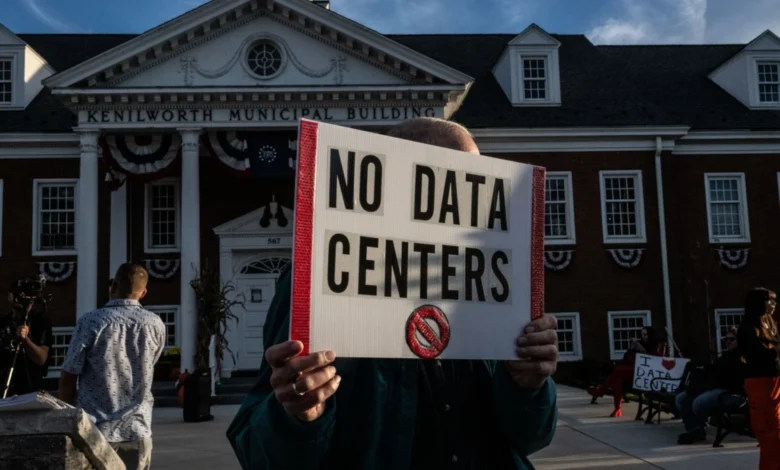
In a stunning display of local political mobilization, the recent midterm elections held on October 21, 2026, served as more than just a referendum on federal leadership. While national headlines focused on the sweeping Democratic victories that signaled a significant leftward shift in American governance, a quieter, yet arguably more consequential, trend emerged at the municipal level: an overwhelming grassroots movement to curb the rapid proliferation of artificial intelligence data centers. Across dozens of American cities and townships, voters utilized the ballot box to voice deep-seated anxieties regarding the environmental, economic, and social footprints of the digital infrastructure boom.
According to data compiled by the non-partisan watchdog group Data Centers on the Ballot, 47 local jurisdictions included measures on their ballots directly addressing the regulation of data center construction. The results were lopsided: voters in 38 of the 39 completed counts voted in favor of placing new, stringent restrictions on the rate, scale, and location of data center expansion. As of the latest reporting, six of the remaining eight races show clear leads for proponents of stricter oversight, indicating a widespread, systemic shift in how local communities intend to manage the physical infrastructure of the digital age.
The Anatomy of Local Opposition
The concerns driving this electoral wave are multifaceted. For years, the rapid growth of AI has necessitated an unprecedented demand for computing power, which in turn has driven the construction of massive data facilities. These structures, often spanning hundreds of thousands of square feet, have become focal points for local discontent.
Environmental concerns top the list of grievances. Data centers are notoriously power-hungry, often requiring dedicated substations and placing immense strain on local electrical grids. This energy consumption frequently leads to higher utility rates for residential consumers, as utility companies struggle to balance the massive load requirements of tech firms with the needs of the surrounding community. Furthermore, these facilities consume significant amounts of water for cooling purposes, a point of contention in regions currently navigating climate-induced water scarcity.
Noise pollution is another critical factor. The industrial-grade cooling fans and backup diesel generators required to maintain these facilities operate 24 hours a day, creating a persistent, low-frequency hum that residents have described as an intolerable disruption to their quality of life. The visual blight of these windowless, fortress-like structures—often situated on the outskirts of suburban residential zones—has also galvanized neighborhood associations and local preservationists.
A Chronology of the 2026 Pushback
The movement did not emerge in a vacuum. It was the culmination of an 18-month escalation in local tensions.
- Early 2025: Community groups in states like Virginia and New Jersey began forming informal coalitions to challenge zoning permits for upcoming "hyperscale" data center projects.
- Late 2025: The first local moratoria on data center construction were passed in several key technology-adjacent counties, setting a legal precedent that such restrictions were defensible under municipal home-rule statutes.
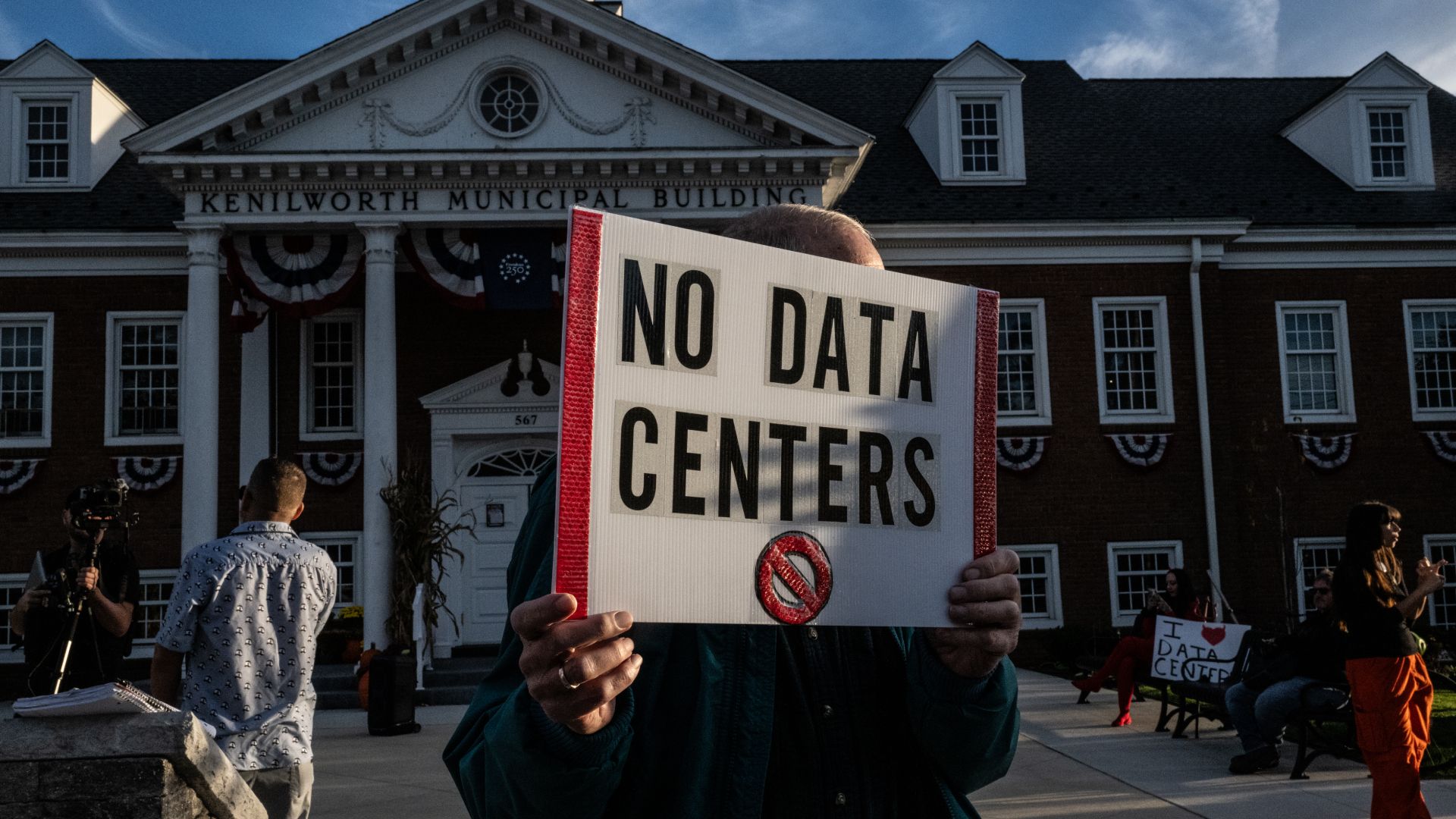
- Spring 2026: Protests, such as the widely documented rally outside the municipal building in Kenilworth, New Jersey, signaled that the issue was moving from obscure planning board meetings to the forefront of local political discourse.
- October 21, 2026: The midterm elections provided the final mechanism for citizens to codify these frustrations into law, turning referendum questions into binding local policy.
The singular outlier in this trend—the failed measure in Harwood, North Dakota—serves to highlight the specificity of the movement. In that instance, the proposed amendment to the city charter was rejected because it would have required an independent review process that some voters felt was redundant or overly bureaucratic. However, the success of the other 38 measures confirms that Harwood remains the exception, not the rule.
Economic Implications and the RAM Factor
While energy and environment are the primary drivers, the economic fallout of the AI arms race has also trickled down to the average citizen. NBC exit polls conducted during the midterm cycle revealed that 56% of voters identified AI data center expansion as either a "crucial" or "major" factor in their candidate selection for Congress.
This is largely linked to the perceived impact on the cost of living. Beyond the immediate strain on utility grids, the massive procurement of high-end graphics processing units (GPUs) and server-grade memory (RAM) by these facilities has caused global supply chain volatility. As tech companies hoard these components to build out their data centers, the costs for personal computing hardware, consumer electronics, and general household technology have experienced a steady, inflationary creep. Voters are increasingly drawing a direct line between the massive, resource-heavy facilities in their backyards and the thinning of their own wallets.
Official Responses and Industry Defense
The technology sector, caught off guard by the speed and scale of the backlash, has begun to issue defensive statements. Spokespeople for several major cloud infrastructure firms have argued that data centers are the "essential bedrock of the modern economy," claiming they bring high-paying jobs and tax revenue that can bolster local school districts and municipal infrastructure.
However, critics argue that these jobs are often temporary—largely confined to the construction phase—and that the tax incentives granted to these firms often offset the benefits they provide to the local tax base.
"The industry needs to recognize that the social license to operate is not a permanent grant," said Dr. Aris Thorne, a policy analyst specializing in urban planning and digital infrastructure. "For a decade, these firms were welcomed with open arms and tax breaks. Now, the externalities—the noise, the grid strain, the environmental impact—have become too visible to ignore. The 2026 elections were a clear message that the current model of ‘build at all costs’ is no longer politically viable."
Broader Impacts: What Happens Next?
The results of the midterm elections will likely trigger a ripple effect in federal policy. As municipal governments begin to enforce new zoning laws, the legal battles between private corporations and local authorities are expected to skyrocket. This could lead to a legislative tug-of-war in state houses, where industry lobbyists will likely push for state-level preemption laws that would strip municipalities of their ability to regulate data center placement.
Furthermore, the results suggest that national politicians can no longer afford to ignore the "digital NIMBYism" (Not In My Backyard) that is sweeping the country. If the trend continues, the federal government may be forced to step in to create a national framework for data center siting, balancing the country’s hunger for AI supremacy with the rights of local communities to protect their environment and quality of life.
The 2026 midterm results represent a pivotal moment in the American relationship with the technology industry. The era of unchecked growth for physical digital infrastructure has hit a significant roadblock. As cities move to implement the mandates passed by their citizens, the tech sector will be forced to innovate not just in the realm of software and silicon, but in the realm of social responsibility and sustainable urban integration. The challenge for the next two years will be determining whether a compromise can be reached, or if the digital backbone of the future will be forced to shrink back from the very communities it was meant to serve.