A Full-Circle Destiny: How Nintendo Accidentally Cast the Original Voice Actor for Navi in the New Ocarina of Time Remake Nearly Three Decades Later

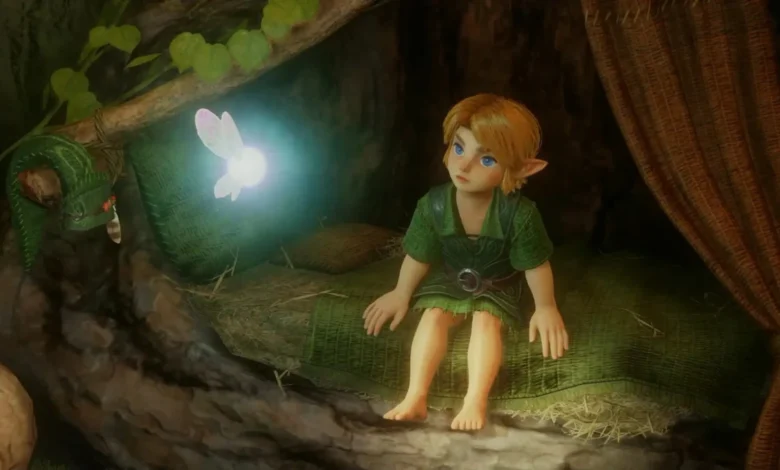
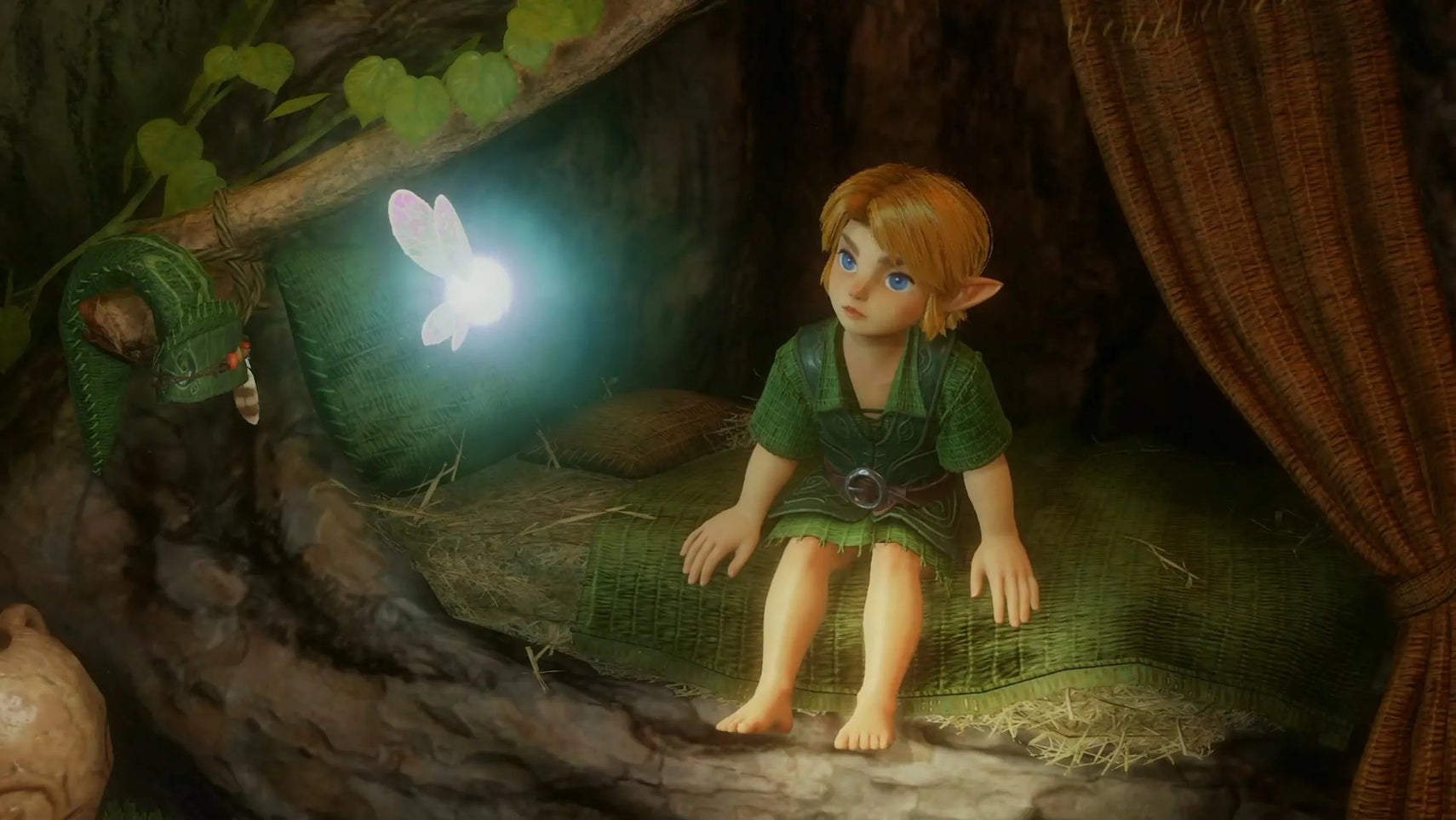
The intersection of video game nostalgia and modern technical advancement often yields surprising production anecdotes, but few rival the serendipitous casting realization behind Nintendo’s latest major release. In developing the highly anticipated, fully voiced remake of The Legend of Zelda: Ocarina of Time for the upcoming Nintendo Switch 2, Nintendo unintentionally cast the exact same voice actor who worked on the original Nintendo 64 version 28 years prior. The revelation, detailed in a recent installment of Nintendo’s "Ask the Developer" interview series, highlights the meticulous lengths to which the studio went to preserve the auditory identity of one of gaming’s most recognizable companions, Navi the fairy.
Main Facts and the Blind Audition Process
The upcoming release of The Legend of Zelda: Ocarina of Time on the successor to the Nintendo Switch—commonly referred to in industry reports as the Switch 2—marks a monumental shift for a title widely regarded as one of the greatest video games ever made. While the original 1998 Nintendo 64 release relied heavily on text-based dialogue, synthesized instrument tracks, and brief, compressed vocal grunts or exclamations, the new remake introduces full, modern voice acting for its cinematic cutscenes and interactive sequences.
According to director HokWai Ng, the decision to incorporate full voice acting was a natural consequence of the dramatic graphical overhaul. However, upgrading the presentation presented a distinct creative challenge: maintaining the integrity of iconic audio cues that have transcended generations. Navi’s sharp, persistent prompts of "Hey!" and "Listen!" occupy a permanent place in pop culture history. Even casual gamers or individuals who have never touched a Zelda title are frequently familiar with the fairy’s distinctive vocalizations.
To ensure that the newly recorded lines respected the established legacy of the franchise, Nintendo instituted a rigorous blind audition process. Series director Eiji Aonuma explained that the casting directors and audio leads intentionally concealed the identities of the auditioning talent. The objective was to select performers purely on how closely their vocal delivery matched the original audio assets from 1998, ensuring absolute continuity for players returning to the Kingdom of Hyrule.
When the audition process concluded and final selections were locked in, the development team made a staggering discovery. As fate would have it, one of the chosen voice actors had actually performed the exact same role in the original Nintendo 64 version nearly three decades earlier. Neither Aonuma, Ng, nor any other members of the production team anticipated the outcome, which only came to light after the talent contracts and final voice tracking sessions were completed.
Historical Context and Chronological Evolution
To understand the magnitude of this casting coincidence, one must examine the chronology of The Legend of Zelda: Ocarina of Time and its technological lineage:
- November 1998: Nintendo releases The Legend of Zelda: Ocarina of Time for the Nintendo 64. The game revolutionizes 3D action-adventure design, utilizing MIDI-based music and compressed voice samples for character prompts, most notably voiced by Japanese voice actress Kaori Mizuhashi in the original regional release.
- November 2011: Nintendo releases The Legend of Zelda: Ocarina of Time 3D for the Nintendo 3DS handheld console. While it features upgraded 3D visuals, stereoscopic effects, and reworked textures, the audio remains largely faithful to the N64 original without fully realized modern voice acting.
- Mid-2020s: Planning begins for the definitive high-definition remake tailored for Nintendo’s upcoming hardware generation, the Switch 2. Development teams emphasize modernizing the cinematic presentation while protecting the nostalgic framework of the original masterwork.
- Recent Months: Nintendo’s "Ask the Developer" volume 24 reveals the blind casting coincidence. Concurrently, data-mined leaks of the game’s official credits confirm that veteran voice actress Kaori Mizuhashi has indeed returned to voice Navi, successfully passing the blind audition tests decades after her initial recording sessions in the late 1990s.
Industry Implications and Fan Reception
The revelation has generated significant discussion within the global gaming community, resonating particularly well with long-term fans who prioritize audio-visual authenticity in modern remakes. In the contemporary games industry, remaking classic titles often involves complete re-imaginings where original casts are entirely replaced—sometimes due to union requirements, availability, or a desire for a fresh creative direction.
Nintendo’s approach demonstrates a distinct philosophy: honoring institutional memory. By implementing a blind audition process, the studio inadvertently proved that the original artistic fingerprint left by Mizuhashi in 1998 was fundamentally irreplaceable. Even when evaluated purely on merit without the weight of nostalgia or historical bias, her vocal performance naturally rose to the top of the candidate pool, validating the original creative choices made by Nintendo during the 16-bit to 64-bit transition era.
Critical reception for the new remake has already begun to crystallize. Early critical assessments, including a glowing five-star review from Eurogamer penned by Chris Donlan, praise the remake as an "astonishing" achievement that successfully bridges the gap between retro design sensibilities and cutting-edge hardware capabilities. The seamless integration of old and new—exemplified by the accidental reunion with the original Navi voice actor—serves as a primary pillar of this critical praise.
Broader Impact on Video Game Preservation
Beyond the heartwarming trivia surrounding Navi’s vocal delivery, this event underscores a growing conversation regarding the preservation of talent and performance history in interactive entertainment. As video games evolve into cinematic mediums requiring complex motion capture and extensive voice direction, maintaining a connection to the pioneering days of the medium becomes increasingly difficult.
Nintendo’s inadvertent casting success highlights the longevity of early video game voice talent. It demonstrates that the artists who helped shape the formative years of 3D gaming possess a timeless quality to their craft. As the industry looks forward to the launch of the Switch 2 and the widespread commercial release of the Ocarina of Time remake, this small yet meaningful detail will undoubtedly stand as a testament to the enduring magic of Hyrule and the artists who brought its inhabitants to life across generations.