Ben Wang in talks to play Iceman as Marvel Studios moves to reunite the original five X-Men members for the MCU reboot

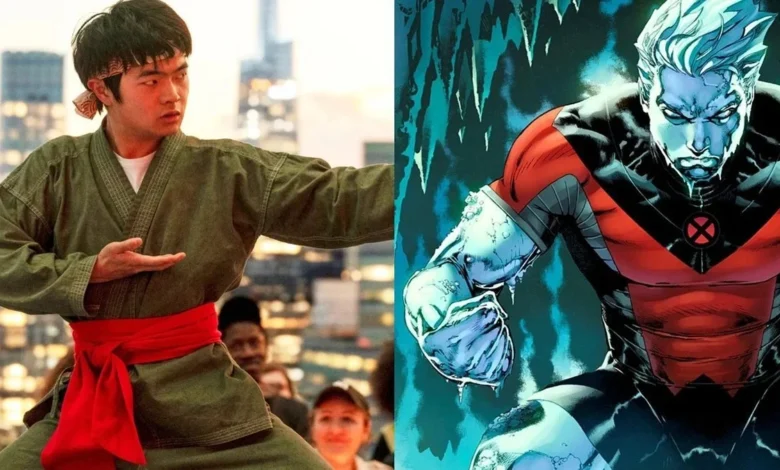
The Marvel Cinematic Universe (MCU) appears to be taking a definitive step toward honoring the foundational history of Marvel Comics by assembling the "Original Five" X-Men for the upcoming franchise reboot. Reports from industry trade publications indicate that actor Ben Wang, known for his work in Disney+’s American Born Chinese and the upcoming Karate Kid: Legends, is currently in advanced discussions to portray Bobby Drake, better known as the omega-level mutant Iceman. This development follows a series of casting rumors and strategic production updates that suggest director Jake Schreier is prioritizing the team’s comic book origins for the MCU’s interpretation of the mutant franchise.
The Casting Process and Industry Context
The search for the role of Bobby Drake has been extensive, reflecting the importance Marvel Studios places on this specific character. Before narrowing their focus to Ben Wang, casting directors evaluated a diverse group of rising talent within the industry. Among those who reportedly screen-tested for the role were Gabriel LaBelle, who garnered critical acclaim for his performance in Steven Spielberg’s The Fablemans; Jackson Kelly, noted for his work on the series The Pitt; and Rhenzy Feliz, recognized for his standout role in the HBO limited series The Penguin.
Ben Wang’s potential casting is viewed by industry analysts as a strategic move to blend established acting pedigree with a fresh face capable of carrying a multi-film narrative. Wang’s upcoming involvement in The Hunger Games: Sunrise on the Reaping further solidifies his status as a high-profile talent within the studio ecosystem, providing the necessary visibility for a foundational character like Iceman. If finalized, Wang would join a burgeoning cast tasked with reintroducing the X-Men to a global audience that has spent two decades consuming the iterations established by 20th Century Fox.
Chronology of the Original Five (O5)
The concept of the "Original Five" (O5) refers to the inaugural team of mutants introduced by Stan Lee and Jack Kirby in X-Men #1, published in September 1963. The team consisted of Cyclops, Marvel Girl (Jean Grey), Beast, Angel, and Iceman. For decades, this core group served as the thematic anchor for the X-Men mythos, representing the initial class of Professor Charles Xavier’s School for Gifted Youngsters.
The trajectory of the X-Men in live-action cinema has been fragmented. While the Fox film franchise began in 2000, it opted for a roster that mixed classic members with later additions, often ignoring the chronological purity of the 1963 lineup. In the X-Men: First Class prequel era, the narrative took significant liberties, featuring a roster that bore little resemblance to the comics, with the notable exception of Beast. Consequently, the prospect of the MCU version presenting the O5 in their classic iteration marks a significant departure from previous cinematic adaptations, signaling a potential "back to basics" approach that favors character-driven narratives over the spectacle-heavy ensemble films of the past.
The Historical Significance of Iceman
Bobby Drake’s role within the X-Men extends far beyond his ability to manipulate sub-zero temperatures and generate ice. Created as a relatable, often humorous teenager in the 1960s, the character evolved significantly over the subsequent decades. His visibility peaked in the 1980s with the animated series Spider-Man and His Amazing Friends, where he served as a primary protagonist alongside Spider-Man and Firestar. This iteration introduced millions of viewers to the character, cementing his status as a fan-favorite member of the Marvel pantheon.
In more recent years, the character has taken on a deeper layer of cultural significance. In 2015, the comic book version of Bobby Drake came out as gay, a development that garnered significant attention and praise for its representation within the superhero genre. As one of the most prominent LGBTQ characters in Marvel history, the cinematic portrayal of Iceman carries a heightened responsibility. Fans and critics alike are monitoring how the MCU will handle this aspect of the character’s identity, as it represents a core pillar of modern Marvel storytelling: inclusivity and the evolution of legacy characters.
Data and Production Implications
The MCU’s X-Men reboot, currently slated for a 2028 release, is arguably the most anticipated project in the studio’s current slate. The strategic decision to introduce the O5 suggests that Marvel Studios is looking to avoid the "bloat" that hindered the later Fox films. By focusing on five core members, the writers can spend more time developing the interpersonal dynamics—the central conflict between Cyclops’s rigid leadership, Jean Grey’s burgeoning power, and the contrasting personalities of the remaining three—before expanding the roster to include characters like Storm, Rogue, or Gambit.
From a data perspective, the "Original Five" model is a low-risk, high-reward strategy. It allows for a contained, intimate story that prioritizes character arcs over large-scale, high-budget set pieces, which aligns with the stated creative direction of writers and producers involved in the project. Recent MCU initiatives have faced criticism for becoming overly reliant on multi-film connectivity; a grounded, origin-based X-Men film could serve as the "reset" button the franchise requires to regain its critical footing.
Official Responses and Future Outlook
While Marvel Studios has yet to issue a formal press release confirming the casting of Ben Wang, the industry consensus is that the deal is nearing completion. Representatives for the actor and the studio have remained tight-lipped, adhering to the standard non-disclosure protocols common in high-budget productions. However, the consistent flow of information from reputable trade sources suggests that the casting process is in its final phase.
Looking ahead, the inclusion of other major mutants remains a subject of intense speculation. Reports regarding characters like Emma Frost, Rogue, and Storm suggest they will exist within the MCU, but it is highly probable that they will be introduced as members of rival factions or as independent agents, rather than being part of the initial X-Men team. This structural decision would allow the MCU to differentiate its mutant narrative from the Fox-era films, which often relied on the "X-Men as a large, established institution" trope.
Impact on the MCU Landscape
The introduction of the X-Men into the MCU is not merely an addition of new characters; it is a fundamental shift in the franchise’s power hierarchy. Mutants represent a unique social dynamic in the Marvel Universe—a group defined by their status as a persecuted minority. By starting with the Original Five, the MCU has the opportunity to explore these themes of prejudice, identity, and integration from the ground up, rather than dropping them into a world where mutants are already widely known.
The potential casting of Ben Wang as Iceman is a testament to the studio’s focus on casting versatile, young talent capable of anchoring a long-term franchise. As the MCU moves toward the end of the decade, the success of the X-Men reboot will likely determine the next era of Marvel’s cinematic dominance. By anchoring the narrative in the history of the 1963 comics while modernizing the character dynamics for a 2028 audience, Marvel Studios is positioning its most valuable IP to regain its position as the industry benchmark for superhero storytelling.
The coming months will likely see additional casting announcements, providing further clarity on the MCU’s vision for the X-Men. Until then, the focus remains on the foundational members and the creative team tasked with bringing one of the most beloved groups in comic book history to the screen in a way that respects the past while defining the future of the genre.