Unveiling the Nightmares of Junji Ito: Inside the Live-Action Adaptation of Strange: Tales for Sleepless Nights

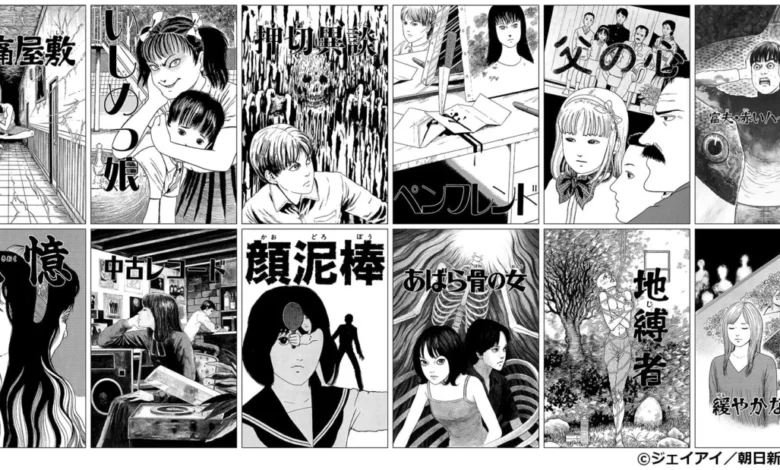
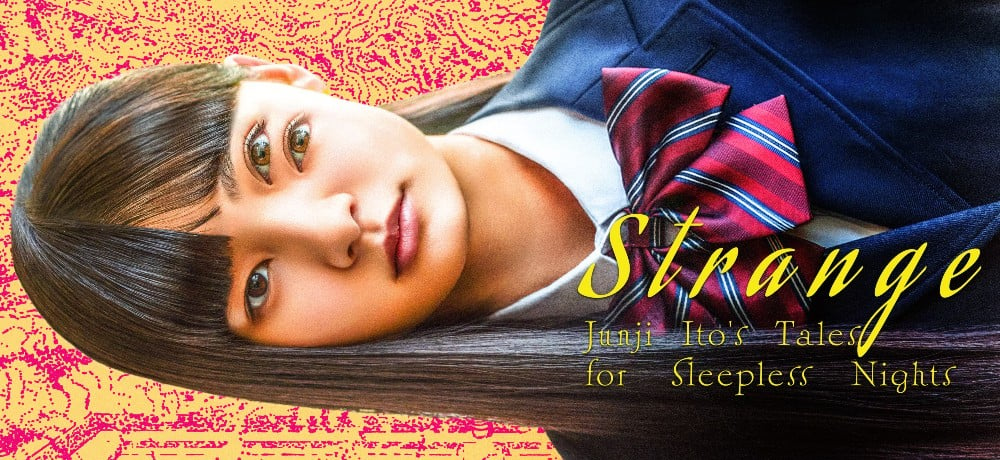
The boundary between printed page and living reality has long been a treacherous threshold in the horror genre, yet few creators possess a visual lexicon as uniquely suited—and notoriously difficult—to adapt as Japanese manga master Junji Ito. Marking a significant milestone in international horror television, TV Tokyo has officially launched Strange: Junji Ito’s Tales for Sleepless Nights, a 13-episode live-action anthology series that brings Ito’s iconic nightmares into the physical world. Currently streaming globally on HBO Max with weekly episode rollouts timed for the Halloween season, the series has already drawn substantial critical and fan acclaim following promotional events at New York Comic Con.
The Genesis and Selection Process
Translating decades of meticulously illustrated short-form horror manga into live-action television presents an extraordinary logistical and artistic challenge. For TV Tokyo producer Mayu Nobe, the selection of the initial thirteen stories required balancing fan favorites with cinematic feasibility.
"It’s TV Tokyo who chose which stories were going to be a part of this series," Nobe explained during a recent roundtable interview in Tokyo. "It wasn’t easy to choose what would make our first live-action adaptation effort from TV Tokyo because there are so many wonderful short stories. First of all, we have to consider feasibility, whether it’s possible to make a live-action adaptation. We had to include Lovesickness because that’s everybody’s favorite, but also, I got to include the ones that are my personal favorites that would portray quite well on the film screen as a live-action adaptation."
Directed by a trio of filmmakers including Yūta Shimotsu, the series grants individual directors the autonomy to curate episodes from a submitted wishlist. Shimotsu noted that an absence of overlapping choices allowed the directing team to secure their preferred segments, notably The Face Thief and The Bully.
Faithful Visions and Narrative Deviations
One of the standout achievements of Strange: Junji Ito’s Tales for Sleepless Nights is its delicate balance between panel-accurate recreations and narrative expansion. The Bully, a complex psychological story exploring guilt, aging, and trauma, received high praise from Junji Ito himself for its casting of actor Yōko Maki and its faithful recreation of the narrative’s striking final visual.
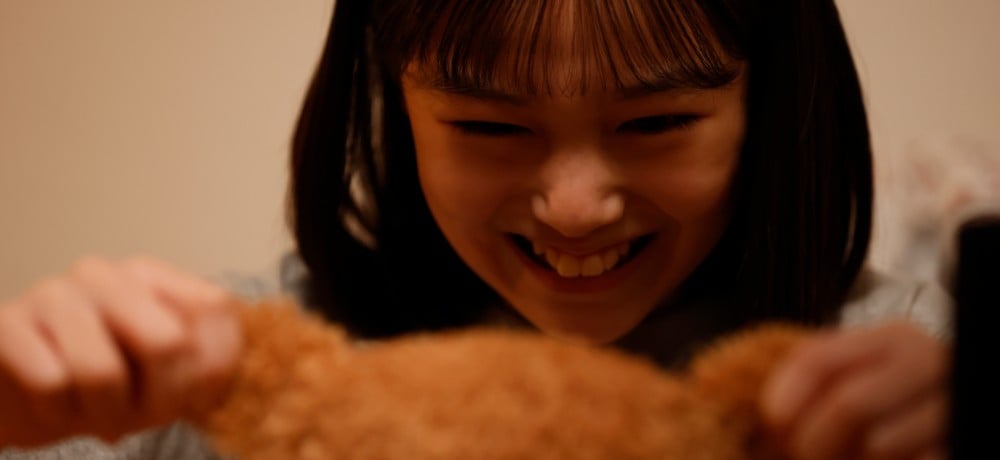
"First of all, the casting was great because I’m a big fan of the featured actress, Yōko Maki," Ito stated. "That story covers a long lifespan, starting from a very young woman into motherhood. I think she acted perfectly, and I appreciate that quiet pace of how the story evolved across the drama. I was quite impressed how she and the team, with the director, represented my very focused last page."
Director Yūta Shimotsu emphasized the meticulous effort required to achieve this fidelity, noting that physical copies of the original manga were kept directly beside camera monitors during production to ensure precise framing and composition.
Conversely, episodes like The Face Thief introduce calculated departures from the source material, specifically by deepening the interpersonal dynamics and friendships between characters compared to the starker, colder tone of the 30-year-old manga. While Ito acknowledged that his original version left characters "as cold as ice," he commended the production team for introducing an alternative climax that yields greater emotional depth.
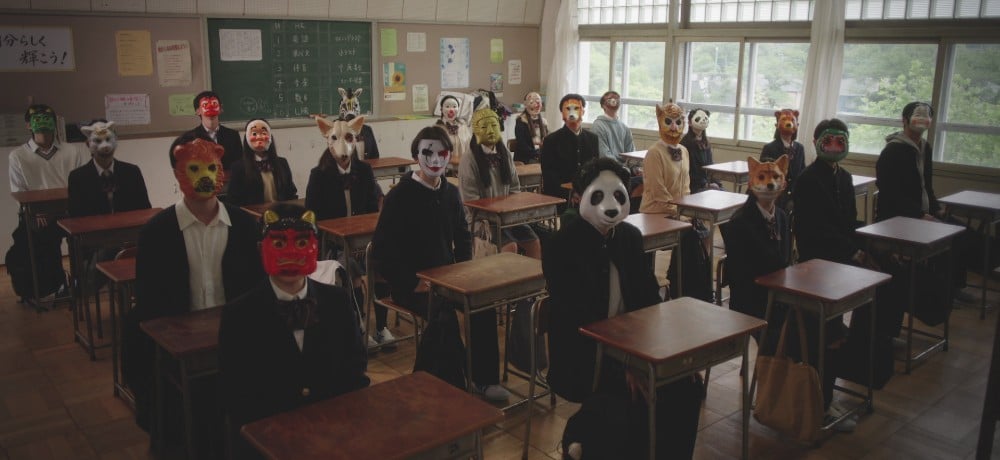
Ito’s primary involvement in the production pipeline centered on validating and polishing screenplays to preserve the core spirit of his original works while allowing directors creative freedom. "They were quite graceful in giving us allowance and giving us the freedom to direct," Shimotsu remarked regarding Ito’s collaborative posture.
Global Resonance and Horror Influences
The international rollout of Strange: Junji Ito’s Tales for Sleepless Nights highlights the borderless appeal of Ito’s distinct brand of body and psychological horror. Reflecting on the global reception—including a sold-out 500-seat theater screening at New York Comic Con—Ito expressed disbelief at the widespread international footprint his work has achieved since he began his career.
"When I started first writing manga way back, I would never have thought that my work would be read outside Japan," Ito admitted. "So I can only thank all the fans who support my work. I do get the sense that they really love and appreciate my work, so I’m grateful."
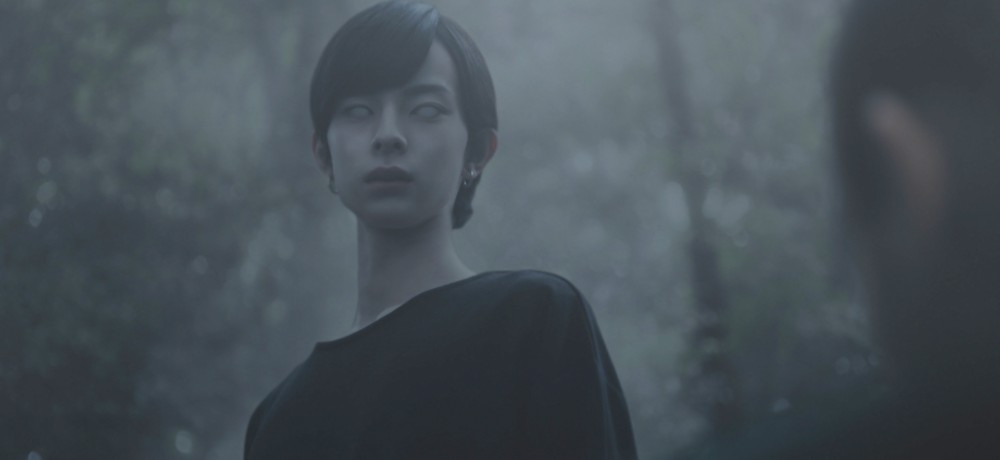
Ito’s creative sensibilities are deeply rooted in classic cinematic horror. Growing up in the 1970s, he cites seminal films such as The Exorcist, Suspiria, The Legend of Hell House, and The Omen as foundational influences, alongside 1960s British Hammer Horror productions like Horror of Dracula, The Plague of the Zombies, and The Snake Woman. Furthermore, the body horror pioneer frequently highlights H.R. Giger’s creature design in Ridley Scott’s Alien as a monumental inspiration in shaping his perspective on biological terror and texture.
Director Shimotsu approaches the genre through a lens focused on psychological resonance and originality, drawing inspiration from contemporary filmmakers like Jordan Peele and M. Night Shyamalan. Rejecting reliance on conventional jump scares, Shimotsu aims to engineer lingering unease that persists days after viewing—a philosophy he shares with Ito’s thought-provoking narratives.
Future Outlook and Broader Industry Implications
As Strange: Junji Ito’s Tales for Sleepless Nights continues its weekly streaming run on HBO Max, discussions regarding potential future seasons remain dependent on the performance of the inaugural run, though producer Mayu Nobe has confirmed a strong desire to continue adapting the author’s extensive bibliography.
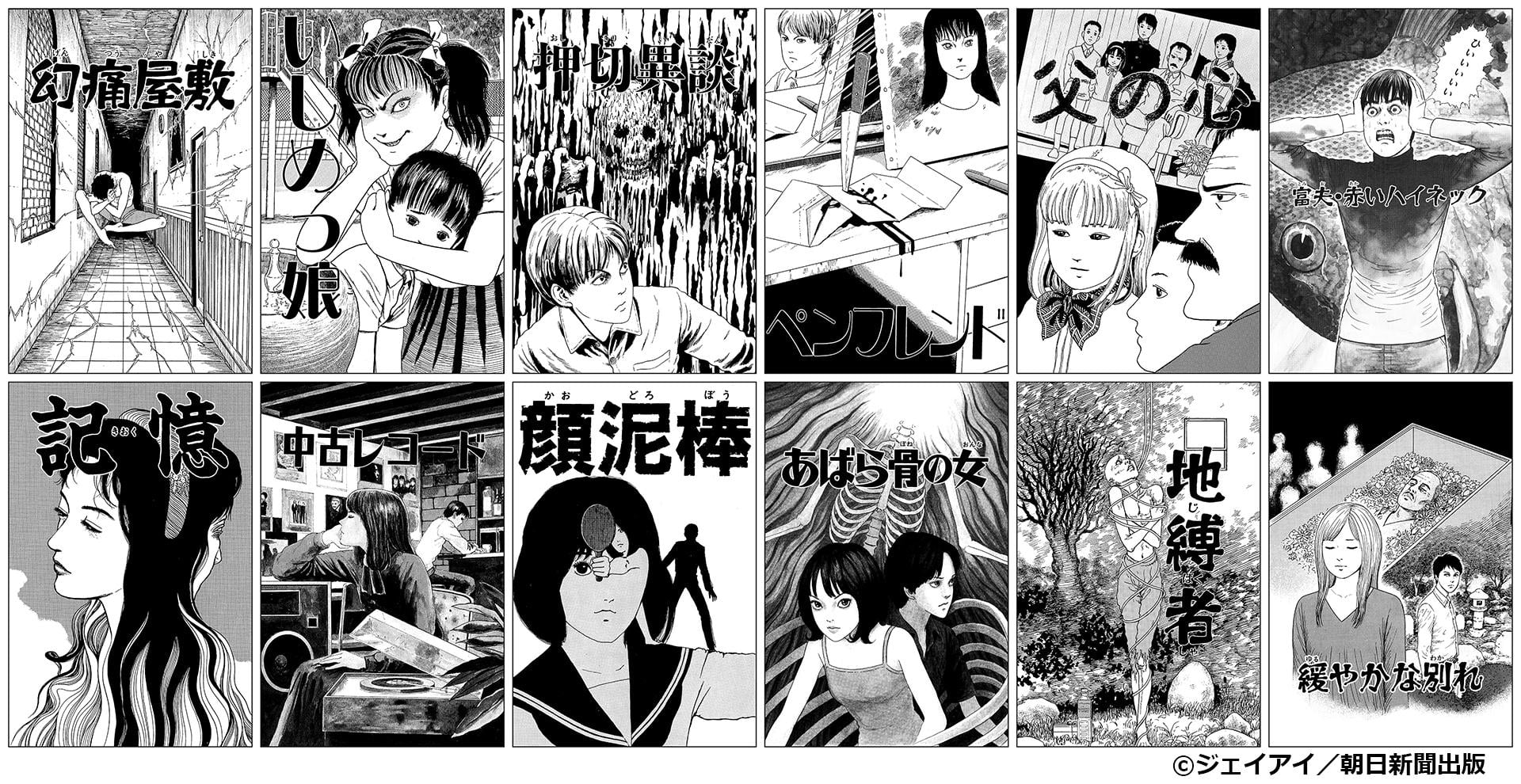
Simultaneously, creators within the genre are increasingly looking toward multidisciplinary approaches to narrative generation. Shimotsu noted ongoing development on original screenplays incorporating academic disciplines such as quantum mechanics and linguistics, reflecting a broader industry trend toward diversifying horror storytelling across mediums.
For audiences seeking to explore the broader universe of Junji Ito, introductory literary anthologies such as Viz Media’s 400-page collection Shiver remain widely recommended entry points. Alongside the series premiere, TV Tokyo has rolled out official merchandise lines internationally via Amazon, solidifying the adaptation as a comprehensive multimedia event for the Halloween season and signaling a promising avenue for future live-action adaptations of illustrated horror.