Insight Editions Celebrates Two Decades of Guillermo del Toro’s Masterpiece with Comprehensive Anniversary Book Releases

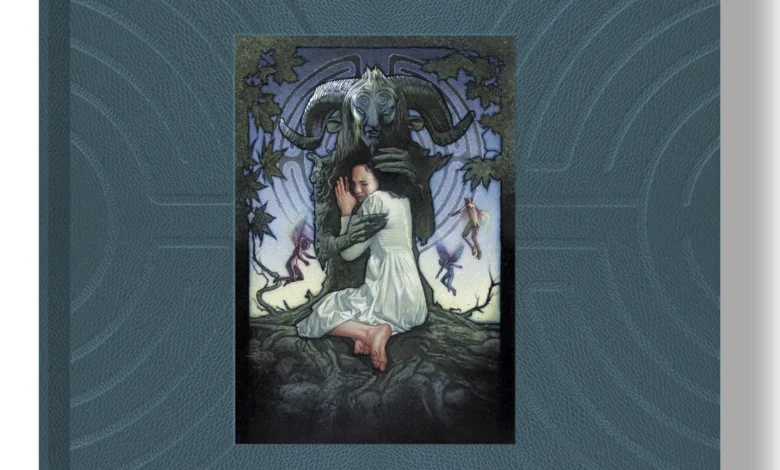
Two decades after its initial theatrical release, Guillermo del Toro’s dark fantasy masterpiece Pan’s Labyrinth continues to resonate as a defining achievement in modern cinema. The film, which brilliantly intertwines the grim historical realities of post-Civil War Francoist Spain with the visceral cruelty and wonder of a traditional fairy tale, remains a high-water mark for practical effects, creature design, and auteur storytelling. To mark the twentieth anniversary of this cinematic milestone, publisher Insight Editions has announced the release of two definitive companion hardcovers designed to take fans and cinephiles on an exhaustive journey from the earliest script pages to the final soundstage production.
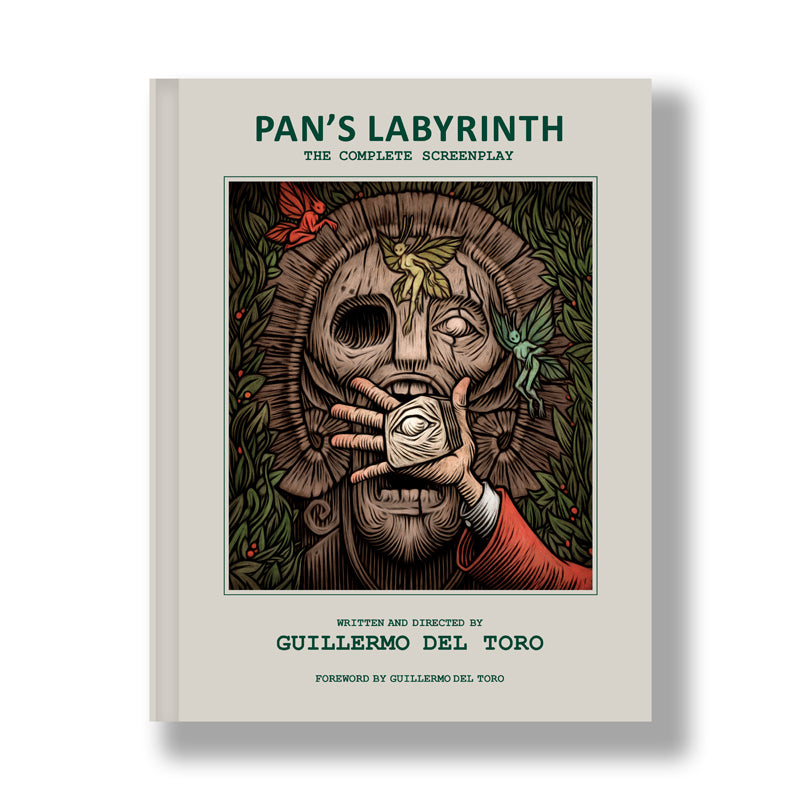
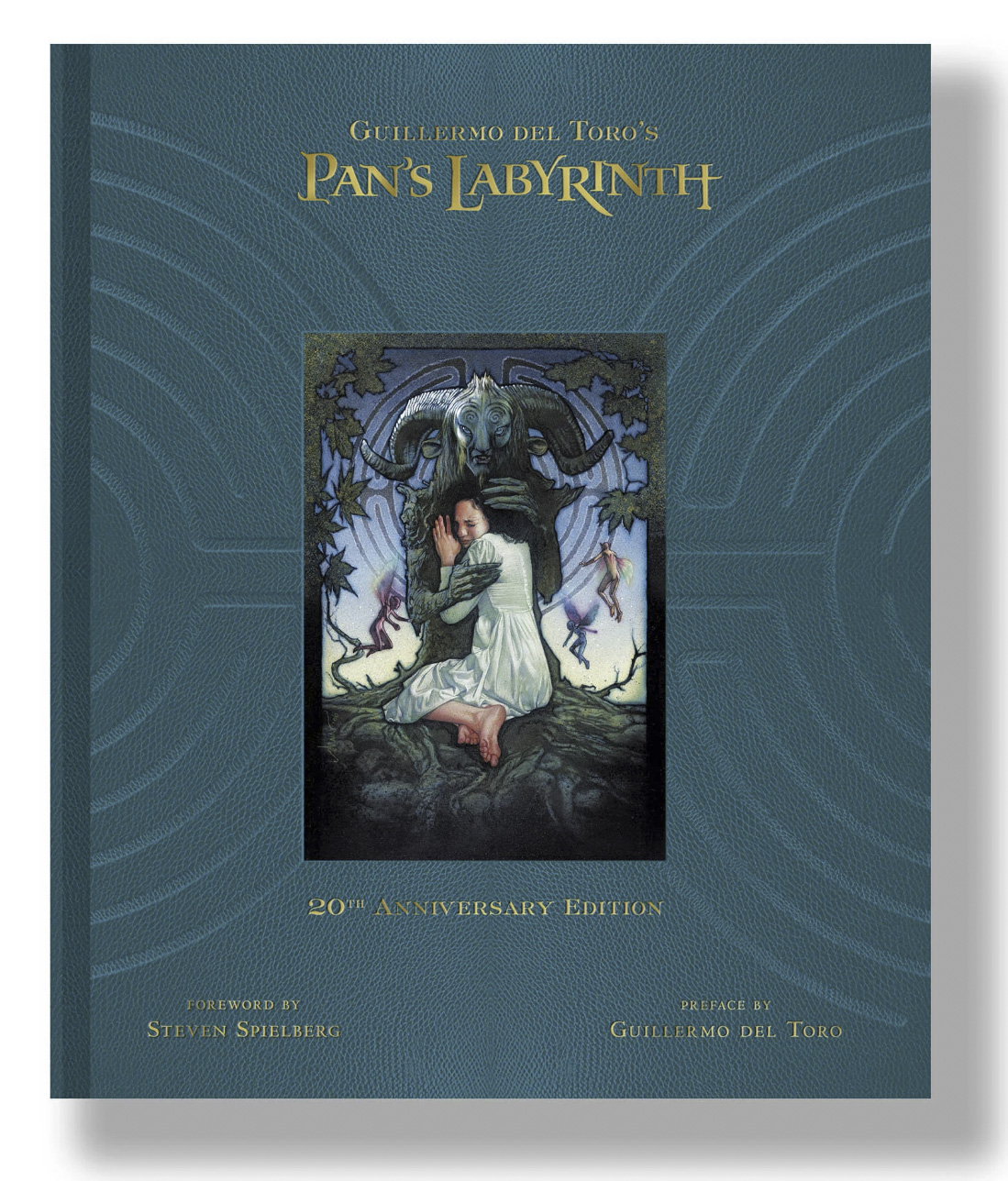
The anniversary rollout comprises two distinct volumes: Pan’s Labyrinth: The Complete Screenplay and an expanded, commemorative reissue of Guillermo del Toro’s Pan’s Labyrinth: Inside the Creation of a Modern Fairy Tale — 20th Anniversary Edition. Together, these publications offer an unprecedented look into the collaborative processes, conceptual iterations, and historical inspirations that brought del Toro’s haunting subterranean world to life.
Main Facts and Publication Details
The newly announced hardcovers cater to both casual admirers and dedicated collectors of film memorabilia. Pan’s Labyrinth: The Complete Screenplay offers the definitive text of the shooting script, accompanied by rich visual elements including original concept art and detailed storyboards. The 304-page volume, listed by Insight Editions at a standard retail price of $50, features a newly penned introduction by director Guillermo del Toro and a foreword by acclaimed filmmaker Baz Luhrmann. Adding a distinct artistic touch to the release is newly commissioned artwork by Spanish illustrator Tomás Hijo, whose atmospheric, painterly poster designs have increasingly become a signature aesthetic for del Toro’s cinematic catalog.

Running in tandem with the screenplay is the expanded making-of retrospective, Guillermo del Toro’s Pan’s Labyrinth: Inside the Creation of a Modern Fairy Tale — 20th Anniversary Edition. Originally authored by Mark Cotta Vaz and Nick Nunziata, this updated edition features contributions from del Toro himself alongside a prominent foreword penned by legendary director Steven Spielberg. According to promotional materials provided by Insight Editions, the updated volume incorporates fresh interviews with the film’s cast and crew, as well as previously unreleased concept art and behind-the-scenes photography.

While the standard edition of the making-of book is priced at $60, Insight Editions has also curated a tiered limited collector’s edition. Ranging from $175 to $350 depending on the selected tier, the limited run is restricted to 500 copies and includes exclusive portfolio inserts, additional prints by Tomás Hijo, and exact facsimile pages pulled directly from the film’s iconic prop, the Book of Crossroads.

Distribution Confusion and Chronology of Release
As the release window approaches, minor discrepancies regarding the official street dates have emerged across various retail platforms and book distributors. While several pop-culture outlets and independent retailers initially reported a generalized shelf-release date of September 8, listings directly on the Insight Editions official website designate The Complete Screenplay as an active pre-order with a slated shipping date of November 17.
This scheduling ambiguity has sparked considerable discussion within online film and literary communities, though standard industry distribution practices frequently see specialized art books experience staggered releases between preliminary distributor catalogs and direct-to-consumer fulfillment channels. Despite the conflicting launch dates, anticipation for both titles remains high among collectors who view the double release as a long-overdue archival tribute to a modern classic.

Historical and Artistic Context of Pan’s Labyrinth
Released in late 2006 by Warner Bros. Pictures in Spain and subsequently distributed globally by Picturehouse, Pan’s Labyrinth (known natively as El laberinto del fauno) cemented Guillermo del Toro’s reputation as a master of atmospheric dark fantasy. Set in 1944 Spain—during the turbulent early years of the Francoist dictatorship—the narrative follows young Ofelia (played by Ivana Baquero) as she moves with her pregnant, ailing mother to a remote military outpost commanded by her brutal stepfather, the Falangist Captain Vidal (Sergi López).
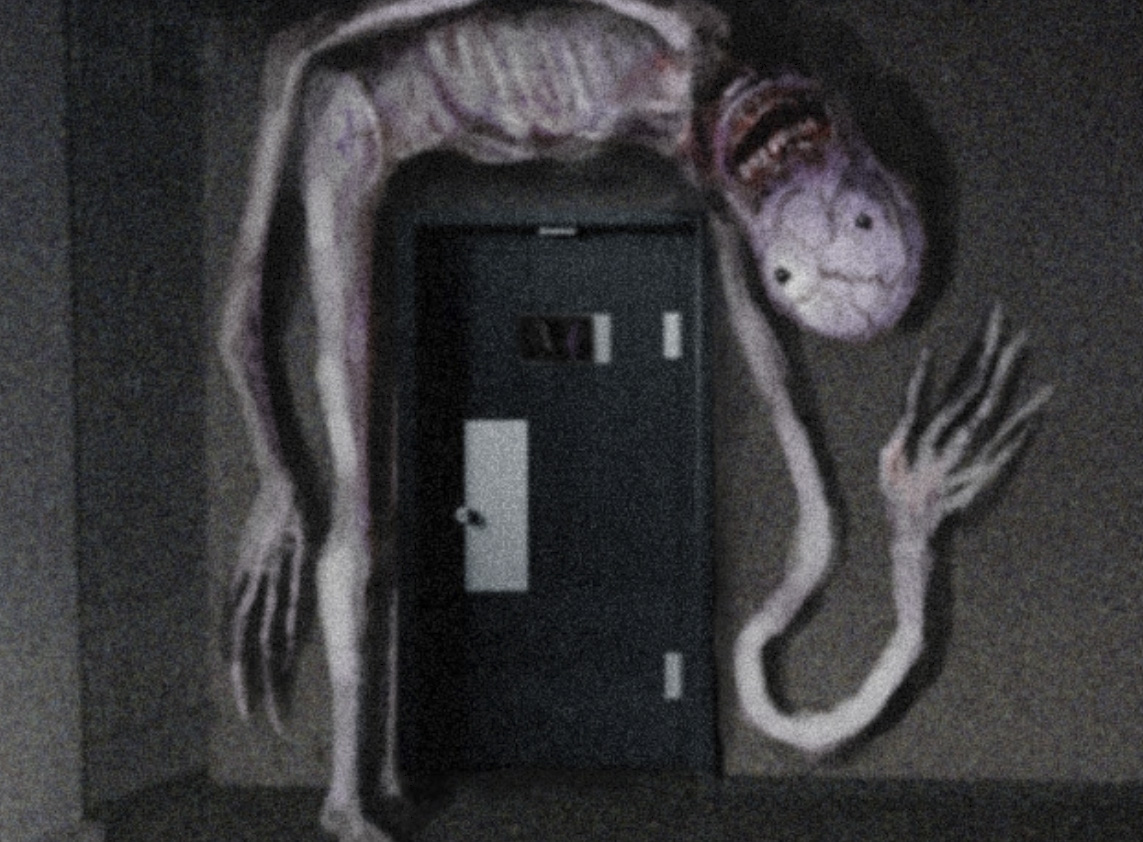
To escape the brutal reality of guerrilla warfare and domestic oppression, Ofelia retreats into a subterranean labyrinth where she encounters a faun (Doug Jones) who assigns her three perilous tasks to prove her royal lineage as a lost underworld princess. The film’s brilliance lies in its unflinching juxtaposition of historical atrocities—torture, political violence, and ideological fanaticism—with the timeless, morally complex architecture of classic fairy tales.

Upon its release, the film was a critical and commercial triumph. It garnered six Academy Award nominations, ultimately winning three Oscars at the 79th Academy Awards for Best Art Direction, Best Cinematography, and Best Makeup. Furthermore, it grossed over $83 million worldwide against a modest production budget of approximately $19 million, proving that foreign-language, artistically uncompromising genre cinema could achieve widespread commercial viability.

Industry Statements and Collaborative Insights
The inclusion of high-profile industry figures such as Steven Spielberg and Baz Luhrmann in the anniversary editions highlights the enduring professional respect del Toro commands among his peers. Spielberg, who has frequently championed visionary practical filmmaking and imaginative storytelling, provides a contextual bridge in the making-of volume, emphasizing the film’s rare ability to marry intense historical drama with mythological terror. Meanwhile, Baz Luhrmann’s foreword in the screenplay edition explores the operatic grandeur and meticulous visual rhythm of del Toro’s direction.

Tomás Hijo’s contribution further ties the project to the broader ecosystem of modern cinematic art. Hijo’s unique woodcut and block-print-inspired illustration style has frequently been utilized to honor del Toro’s filmography, bridging the gap between classic European folklore aesthetics and contemporary film poster design. His integration into The Complete Screenplay signals a concerted effort by publishers to treat contemporary screenplays not merely as technical blueprints, but as high art objects worthy of gallery-grade curation.
Broader Impact and Implications for Film Preservation
The publication of these two comprehensive volumes underscores a growing market demand for physical media and archival literature in the film industry. In an era dominated by digital streaming and ephemeral online content, high-end publishers like Insight Editions have carved out a sustainable niche by producing tangible, museum-quality artifacts that celebrate the collaborative labor of filmmaking.
From an academic and preservationist perspective, releasing the complete shooting script alongside developmental concept art offers invaluable pedagogical resources for aspiring filmmakers, screenwriters, and historians. It documents the iterative evolution of a masterpiece—revealing how complex visual effects, practical monster suits crafted by Spectral Motion, and historical research coalesced into a cohesive cinematic vision.

As Pan’s Labyrinth enters its third decade, these commemorative hardcovers serve as more than mere consumer merchandise; they act as permanent archival testaments to a film that redefined the boundaries of dark fantasy. By capturing the exhaustive pre-production planning, the artistic trials of the soundstages, and the ideological weight of its historical setting, the Insight Editions releases ensure that the labyrinth del Toro constructed twenty years ago will continue to captivate generations of future storytellers.