From Cancelled Paranormal Activity to Playable Archive: How Brian Clarke Resurrected a Dead Horror Project for Halloween

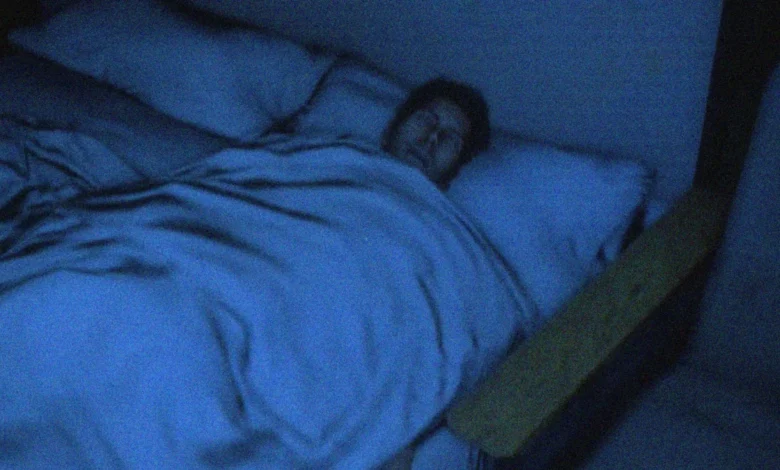
The intersection of independent game development and licensed intellectual property often yields complex narratives of corporate oversight, creative ambition, and sudden termination. This dynamic was recently underscored by the surprise Halloween release of Playable Archive, a 30-to-45-minute found-footage horror experience developed by Brian Clarke, operating under his solo studio banner, DarkStone Digital. Released as a free title on Steam, Playable Archive is not merely a seasonal treat for horror enthusiasts; it represents the preserved remnants of a heavily anticipated, full-length Paranormal Activity video game that was quietly cancelled earlier this year after two years of active development.
The title of the release serves as a deliberate nod to Hideo Kojima’s legendary Playable Teaser (P.T.) for the cancelled Silent Hills project. Much like that infamous demo, Playable Archive offers players a tantalizing glimpse into a virtual world that will never be fully realized. However, rather than letting thousands of hours of development gather dust in digital archives, Clarke—in collaboration with publisher DreadXP—salvaged the core code, stripped away the official Hollywood licensing, and repackaged a self-contained slice of the defunct project for public consumption. The resulting release provides a rare, transparent window into the volatile nature of video game production, the realities of publisher-developer relations, and the enduring legacy of unreleased interactive media.
The Genesis of Paranormal Activity: Threshold
The journey of Playable Archive began in the wake of the 2022 breakout success of The Mortuary Assistant, DarkStone Digital’s critically acclaimed indie horror game that blended grim atmospheric dread with meticulous mortuary simulation and deep demonic lore. Following that release, publisher DreadXP approached Clarke to gauge his interest in conceptualizing a video game set within the established cinematic universe of the Paranormal Activity film franchise. For Clarke, a self-described fan of the found-footage film series, the opportunity aligned perfectly with his preferred narrative-first design philosophy.
Unlike contemporary horror titles that rely heavily on scripted cinematic jumpscares that forcibly seize camera control from the player, Clarke favors what he characterizes as passive chills. His design ethos prioritizes environmental storytelling, subtle background anomalies that players might easily miss, and mechanical interactions that foster organic discovery and community sharing. Following initial discussions, Clarke submitted a comprehensive design document and pitch deck to Paramount Pictures, the rights holder for the film franchise. The pitch was received favorably, initiating a protracted contract negotiation period coinciding with a major management shakeup at DreadXP. By November of the previous year, the project was officially announced to the public under the title Paranormal Activity: Threshold.
As a solo developer, Clarke invested deeply in expanding the foundational mythology of the film series. While the cinematic entries primarily focused on haunted suburban homes and demonic possession, Clarke engineered an intricate, original demonology designed to bridge his new interactive concepts with the broader lore established across the seven-film franchise. This overarching narrative structure was designed to span multiple timelines, utilizing found-footage VHS and camcorder perspectives that would later be investigated by a fictional detective following the unexplained disappearance of a young couple.

Timeline of Development and Cancellation
The chronology of Paranormal Activity: Threshold reflects the high-pressure environment of licensed game development under strict corporate deadlines. A structured timeline outlines the trajectory of the project from conception to cancellation:
- Late 2022: Following the launch of The Mortuary Assistant, publisher DreadXP approaches developer Brian Clarke regarding a potential Paranormal Activity video game adaptation.
- Early 2023: Clarke drafts a comprehensive pitch deck and design document, which is subsequently approved by Paramount Pictures.
- November 2023: Paranormal Activity: Threshold is officially unveiled to the public, generating significant enthusiasm within the horror gaming community.
- Early 2024: DarkStone Digital debuts a playable demo of the game at PAX East, receiving overwhelmingly positive feedback from attendees and critics alike.
- Mid-to-Late 2024: Production approaches a critical deadline set by Paramount. Realizing that essential tasks—including quality assurance (QA) testing, localization, motion capture, and console porting—cannot be completed without compromising the overall quality of the product, Clarke requests a short extension.
- Late 2024 (Cancellation): Paramount declines the requested extension, prioritizing a rigid release window. Mutually, Clarke and DreadXP decide to terminate the licensing agreement rather than rush an unfinished or compromised product to market.
- October 2024 (Resurrection): With permission from Paramount to retain his original source code and asset work, Clarke strips the intellectual property branding and prepares the PAX East demo build for a free public release under the title Playable Archive, timed for Halloween.
The Mechanics of Cancellation and Quality Control
The abrupt termination of Paranormal Activity: Threshold highlights the delicate balance independent developers must maintain between corporate milestones and personal reputation. As production neared its final phases, Clarke recognized that the remaining workload—specifically concerning the second half of the game—demanded significant resources in voice acting, motion capture, and rigorous polish. Fearing that a rushed release would permanently damage his hard-earned reputation as an uncompromising horror developer, Clarke requested a modest deadline extension from Paramount.
Paramount’s refusal to grant the extension forced a critical juncture. For an independent developer operating under a distinct personal brand, delivering a sub-par product carries far greater professional risk than it does for a multinational entertainment conglomerate. Consequently, Clarke consulted with DreadXP, and all parties mutually agreed to shelve the project.

Unusually, the corporate stakeholders permitted Clarke to retain the assets and infrastructure he had built over two years of solo development. Hunter Bond, current director at DreadXP, suggested giving the stranded project a formal public release so that its design achievements could be properly showcased rather than permanently archived. This pragmatic approach transformed a total commercial loss into a goodwill offering for the horror gaming community.
Industry Implications and Future Outlook
The release of Playable Archive offers broader implications regarding the preservation of cancelled video games. Historically, when licensed media projects are cancelled, their source code, assets, and design documents vanish into corporate vaults, remaining inaccessible to the public or researchers. By stripping away the proprietary branding and releasing the core demo for free, DarkStone Digital and DreadXP established a transparent precedent for honoring abandoned creative labor.
Furthermore, the overwhelmingly positive reception of Playable Archive on Steam has provided psychological validation for Clarke, who admits to battling imposter syndrome during the prolonged development cycle. Rather than attempting to resurrect the full Paranormal Activity license—a path fraught with technical hurdles and contractual complexities—Clarke has opted to channel the conceptual DNA of the cancelled project into his own original intellectual properties.

Current developments indicate that Clarke is actively utilizing the mechanical frameworks tested in Playable Archive—such as timeline manipulation and interactive environmental tools like Ouija boards—to inform the development of a brand-new entry in The Mortuary Assistant franchise, alongside early prototypes for entirely original standalone concepts.
As the independent games sector continues to navigate the precarious waters of intellectual property licensing and publisher mandates, the story of Playable Archive stands as a testament to resilience. By refusing to compromise on quality under duress, and by finding an innovative avenue to give a dead project a second life, Brian Clarke has ensured that his creative vision was not lost to the dark, but instead laid the groundwork for future independent horror triumphs.
Related posts: