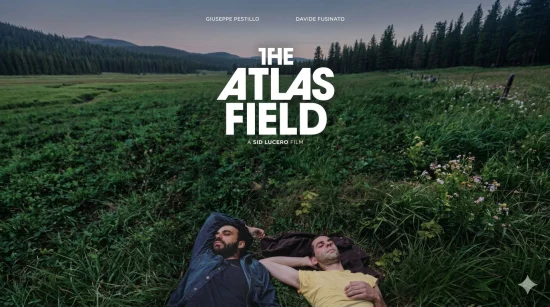
The Atlas Field, a psychological horror feature directed by Sid Lucero, represents a specific subgenre of independent cinema that prioritizes atmospheric tension and philosophical ambiguity over traditional jump scares. Starring Davide Fusinato, Giuseppe Pestillo, and Christopher Tetrokan, the production explores the intersection of terminal illness, fraternal bonds, and the collapse of objective reality. While the film has garnered attention for its visual ambition and thematic depth, it remains a polarizing entry in the 2026 horror landscape, characterized by a deliberate, slow-burn narrative structure that demands a high degree of patience from its audience.
Narrative Premise and Plot Synopsis
The plot of The Atlas Field centers on Daniel, a protagonist navigating the final stages of a terminal diagnosis. Seeking closure or perhaps a final confrontation with his past, Daniel convinces his brother, Henry, to accompany him on a journey back to a remote mountain range that served as the setting for their childhood memories. As the brothers ascend into the isolated wilderness, the narrative shifts from a grounded character drama into a surreal exploration of psychological erosion.
The central conflict arises when the environment around the brothers ceases to function according to natural laws. Reality begins to fray, manifesting as temporal distortions and spatial inconsistencies that mirror the protagonists’ internal distress. This descent into the inexplicable is intended to serve as a metaphor for the loss of control inherent in terminal disease, though the execution leaves the audience to decipher whether the phenomena are supernatural, symptomatic, or metaphysical in nature.
Chronology of Production and Release
The production of The Atlas Field followed an independent development cycle typical of low-budget, high-concept horror.
- Pre-Production (2024): Director Sid Lucero began conceptualizing the project, focusing on the script’s reliance on location-based storytelling and minimal cast requirements.
- Principal Photography (2025): Filming took place over a compressed, multi-week schedule in isolated mountainous terrain, chosen specifically to enhance the film’s claustrophobic and desolate aesthetic.
- Post-Production (Early 2026): The editorial team focused on pacing and sound design, which were identified as critical components for sustaining the film’s "unreliable reality" motif.
- Market Entry (October 2026): The film saw its initial release, positioning itself as a niche offering for audiences interested in "elevated horror" and experimental storytelling.
Analysis of Cinematic Elements
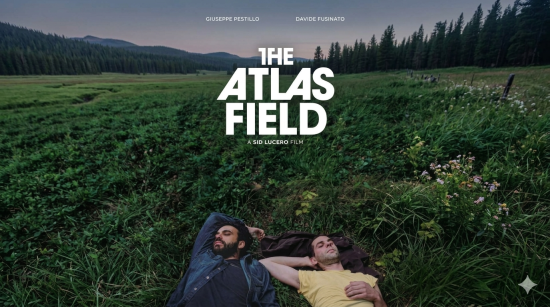
The technical execution of The Atlas Field is marked by a stark, monochromatic sensibility that effectively communicates a sense of terminal bleakness. The performances of Davide Fusinato and Giuseppe Pestillo are central to this, as the film relies almost entirely on their on-screen chemistry to ground the more abstract, surrealist sequences.
From a critical standpoint, the film’s pacing is its most defining characteristic. By opting for a slow, methodical progression, Lucero risks detaching the audience from the stakes of the story. While this deliberate speed serves to mirror the protagonists’ confusion and eventual breakdown, it creates a barrier for viewers seeking a more traditional, action-oriented horror experience. The film’s strength lies in its consistency of tone; the uneasy atmosphere is established early and maintained with precision throughout the runtime, regardless of the narrative’s clarity.
Supporting Data and Industry Context
The Atlas Field occupies a distinct space in the 2026 horror market, which has seen a resurgence in films that prioritize psychological dread over gore. According to industry analysis of independent horror trends, movies that utilize "isolated landscape" settings—often referred to in the industry as "cabin-in-the-woods" or "wilderness horror"—frequently experience success with streaming demographics that favor atmospheric, low-budget productions.
However, such films often face a "middle-ground" reception. Data from contemporary film critics indicates that while these features earn high marks for cinematography and thematic ambition, they frequently receive lower "rewatchability" scores. The Atlas Field aligns with this metric; it is a film that critics acknowledge for its technical merits, but which fails to capture the broad, viral appeal of more conventional horror hits.
Thematic Implications: Horror as Metaphor
The thematic core of the film—the unraveling of reality in the face of death—is a well-trodden path in the genre. Films like The Atlas Field often attempt to bridge the gap between existential drama and supernatural horror. By framing the "monster" not as an external entity, but as a byproduct of the protagonist’s deteriorating psyche, Lucero attempts to elevate the stakes from physical survival to emotional resolution.
This approach has significant implications for how audiences consume the film. It requires the viewer to function as an active participant in the storytelling process, piecing together the timeline and the reality of the events. While this is a hallmark of "smart" horror, it also contributes to the sense of detachment noted by many viewers. Without a concrete narrative anchor, the film risks becoming an exercise in style rather than a cohesive story.
Audience Reception and Professional Critique
Initial reactions to The Atlas Field suggest a divided response. Supporters of the film praise its willingness to avoid "jump scares" and cheap thrills in favor of building a sustained sense of existential dread. These viewers often highlight the film’s visual language and the bleak, cold cinematography as its most compelling features.
Conversely, detractors point to the narrative ambiguity as a weakness. For many, the lack of a clear, definitive explanation for the phenomena occurring on the mountain is frustrating rather than thought-provoking. The film’s refusal to provide a tidy resolution or a clear explanation of its central mystery leaves a segment of the audience feeling that the narrative potential was not fully realized.
Broader Impact and Future Outlook
As the horror genre continues to evolve, films like The Atlas Field serve as a barometer for audience appetites. The trend toward minimalist, high-concept horror demonstrates that there remains a robust market for films that challenge the viewer’s perception of reality. However, the film also highlights the limitations of this approach. When the abstraction of the narrative outweighs the emotional connection to the characters, the result is a production that is respected for its craft but rarely embraced for its impact.
The Atlas Field will likely find a long-term home on digital platforms, where its atmospheric nature can be appreciated in a home-viewing environment. It is a quintessential "mood piece," a film that invites scrutiny and analysis but does not necessarily demand a repeat viewing. For director Sid Lucero, the film stands as a testament to his ability to curate a specific, unsettling aesthetic, though future projects may benefit from a more balanced approach between thematic ambition and narrative accessibility.
In conclusion, The Atlas Field is a study in controlled atmospheric tension. It succeeds in creating a palpable sense of unease and provides a competent, if detached, examination of mortality. It does not reinvent the psychological horror genre, nor does it aim to; instead, it offers a refined, albeit slow, experience for those who prefer their horror in the form of a slow-moving, existential puzzle. Whether the film leaves a lasting impression or is eventually relegated to the vast catalog of "watch once" titles will depend largely on the viewer’s personal preference for ambiguity over narrative resolution.