LEGO Holiday 2026 Ad Campaign Features Star-Studded Cast and Iconic Musical Collaboration

The annual LEGO holiday advertising campaign for 2026 has officially launched, marking a significant milestone in the toy giant’s long-standing tradition of cinematic brand storytelling. Directed by Michael Gracey, known for his work on the visually ambitious musical The Greatest Showman, the 74-second spot serves as both a festive celebration and a strategic showcase of the company’s expansive intellectual property portfolio. Central to the campaign is the inclusion of the French electronic duo Daft Punk, represented in brick form, set to the rhythmic backdrop of their seminal 2000 track, One More Time.
The Production and Creative Direction
The involvement of Michael Gracey signals a shift toward a more high-production, music-video-inspired aesthetic for the brand’s holiday marketing. By leveraging the fast-paced, high-energy style characteristic of Gracey’s filmography, LEGO has moved away from traditional sentimental narratives toward a vibrant, pop-culture-heavy montage. The choice of One More Time is not merely atmospheric; it serves as a nod to the brand’s recurring consumer engagement cycle, where collectors frequently return to purchase new sets.
The technical execution of the ad incorporates a diverse array of minifigures, requiring significant coordination between LEGO’s internal creative teams and various licensing partners. The standout visual sequence features Daft Punk performing atop their iconic pyramid stage, a recreation of their legendary 2007 Alive tour. This specific design was sourced directly from the LEGO Ideas platform, a crowdsourced initiative that allows fans to submit and vote on potential set concepts, highlighting the brand’s integration of community-driven product development into its high-budget advertising.

Chronology of LEGO’s Collaborative Strategy
LEGO’s pivot toward massive, multi-franchise advertising is a culmination of a decade-long strategy of diversification. Since the early 2010s, the company has methodically transitioned from a reliance on internal themes like LEGO City and Castle toward a model heavily reliant on licensed media properties.
- 2012–2015: LEGO solidifies its relationship with major film studios, expanding its Star Wars portfolio and launching the LEGO Marvel and DC Super Heroes lines.
- 2016–2019: The "LEGO Cinematic Universe" era, spurred by the success of The LEGO Movie, encourages the brand to emphasize character-driven narratives in its advertising.
- 2020–2023: The brand begins to aggressively target adult collector demographics (the "AFOL" or Adult Fans of LEGO segment) through the launch of the LEGO Ideas and Icons series, focusing on nostalgia and complex builds.
- 2024–2026: A new phase of hyper-collaborations, incorporating anime, classic cinema, and expanded MCU integration, reaches its zenith with the 2026 holiday campaign.
Data and Market Analysis
The 2026 campaign reflects a broader market trend: the convergence of toy manufacturing and entertainment media. According to market analysts, LEGO’s ability to weave diverse franchises into a single 74-second window is a calculated move to capitalize on cross-generational appeal. The inclusion of characters ranging from Marvel’s Dr. Doom and Magneto to the retro-icon E.T. the Extra-Terrestrial and modern anime stars like Tony Tony Chopper from One Piece demonstrates an attempt to capture the widest possible demographic.
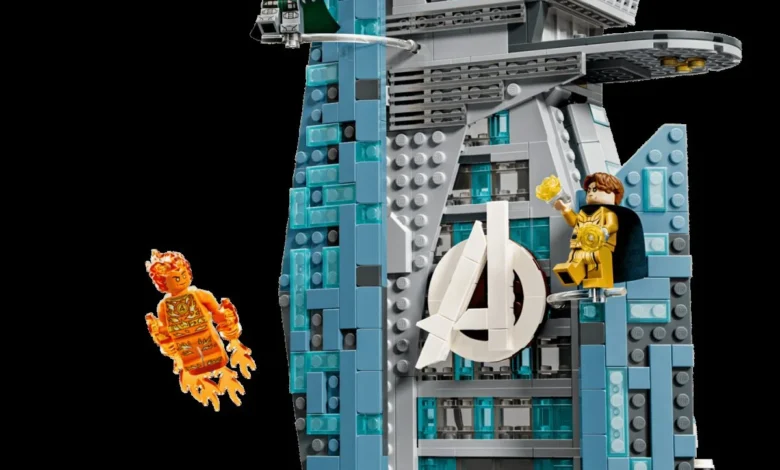
From a financial perspective, this multi-franchise approach is essential. With the upcoming release of Marvel Studios’ Doomsday, the timing of the advertisement is optimized to drive traffic toward the latest product wave, including the expansive New Avengers Tower set. By positioning these high-ticket items alongside globally recognized characters, LEGO maximizes the conversion potential of its holiday marketing spend. Furthermore, the reliance on LEGO Ideas for the Daft Punk set reinforces the brand’s unique value proposition: that the consumer is not just a buyer, but a participant in the product’s lifecycle.
Implications for the Toy Industry
The industry-wide move toward "lifestyle branding" is evident here. LEGO is no longer selling individual playsets; it is selling a unified, interconnected cultural ecosystem. The inclusion of characters from different intellectual property (IP) owners—Disney/Marvel, Universal/Amblin, and Toei Animation—within a single advertisement speaks to the massive scale of LEGO’s licensing negotiations.
The strategic implications are twofold. First, it establishes LEGO as the primary "hub" for physical play across disparate entertainment franchises. If a consumer is a fan of Marvel, anime, or classic film, they are directed to a single destination to engage with those properties in a tangible format. Second, it serves as a protective moat for the company. By embedding its brand into the fabric of these high-value IPs, LEGO ensures its relevance even as individual film or television franchises fluctuate in popularity.
Official Stance and Corporate Messaging
While LEGO rarely releases official statements regarding the specific production budgets of its commercials, spokespeople have previously noted that the holiday campaign is the company’s "most vital touchpoint" of the fiscal year. The goal, according to internal company communications, is to bridge the gap between "the digital-native generation and the nostalgic adult collector."
The integration of characters such as the "Derpy Tiger" from the breakout film KPop Demon Hunters highlights the brand’s agility. By including characters from current smash-hit movies alongside legacy properties like E.T., the company maintains a youthful image while simultaneously courting older collectors who have the disposable income to invest in larger, more expensive sets.
Conclusion: A New Era of Brand Integration
The 2026 holiday advertisement is emblematic of the current state of global toy retail. It is a synthesis of high-end cinematography, sophisticated licensing, and a deep understanding of pop-culture trends. As LEGO moves further into this era, the lines between advertising, entertainment, and product display will continue to blur.

For the casual observer, the ad provides a brief, entertaining sequence of favorite characters interacting in a miniature world. For the analyst, it represents a masterful execution of a long-term corporate strategy designed to maintain market dominance through sheer breadth and brand ubiquity. By aligning with directors like Michael Gracey and utilizing musical icons like Daft Punk, LEGO has successfully positioned its holiday campaign not as a commercial interruption, but as a cultural event in its own right. As the fiscal year draws to a close, this campaign is expected to be a primary driver for the company’s year-end performance, further solidifying its status as the world’s leading toy manufacturer in an increasingly fragmented entertainment landscape.