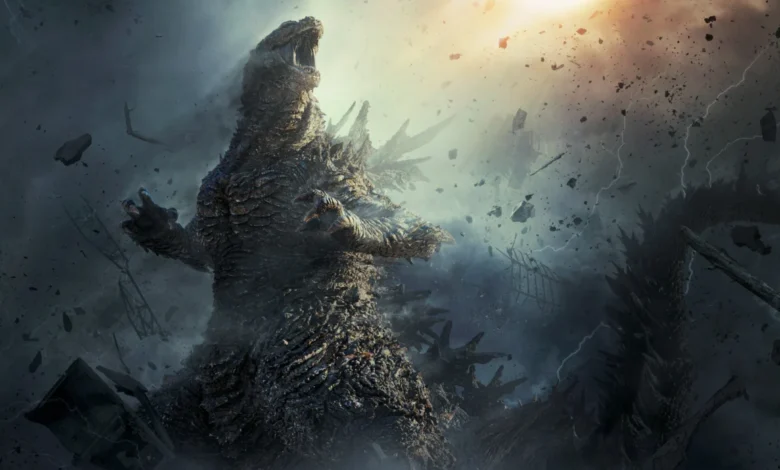
Director Takashi Yamazaki’s latest installment in Toho Studios’ legendary franchise has sparked intense global discussion following its theatrical release. Set in the fragile postwar landscape of 1949 Japan, the film extends the thematic weight and historical trauma established in its predecessor, Godzilla Minus One, while pushing the narrative into darker, more globally consequential territory. By blending high-stakes kaiju combat featuring iconic adversaries like King Ghidorah with acute historical allegory, the movie offers a piercing examination of trauma, militarism, and the catastrophic temptation of weaponized technology. As audiences dissect the film’s emotionally resonant and complex finale, critics and scholars alike are re-evaluating the cinematic evolution of the world’s most famous monster.
The narrative architecture of the film hinges on a haunting refrain: "Have a safe trip." Spoken by young Akiko—played by Sae Nagatani—atop a lonely playground slide, the phrase evolves from a simple farewell into an agonized prayer. Her adopted parents, Kōichi Shikishima (Ryūnosuke Kamiki) and Noriko Ōishi (Minami Hamabe), feel compelled to flee to protect their child from looming geopolitical and supernatural threats. This emotional core anchors a sprawling narrative about the corrupting nature of absolute power, framed sharply against the backdrop of Japan’s turbulent postwar recovery.
Historical Context and Postwar Realities
To fully understand the ideological battles waged within Godzilla Minus Zero, one must examine the specific historical constraints of its setting. The year 1949 places Japan firmly under the Allied Occupation, which lasted from 1945 to 1952. Led primarily by the United States, this period was characterized by sweeping democratic reforms, economic rebuilding, and strict censorship.
During the early years of the occupation, the Civil Censorship Detachment strictly prohibited any media reporting or public discussion concerning the horrific long-term health effects of radiation poisoning left by the atomic bombings of Hiroshima and Nagasaki. This institutionalized denial bred profound psychological trauma and quiet resentment among survivors. In the film, Dr. Kanji Murakami (Min Tanaka) embodies this generational anguish. A survivor of Hiroshima, Dr. Murakami harbors a bitter desire to exact a terrifying revenge: using newly developed technology combined with the irradiated blood of Noriko—who was exposed during the Ginza attack in Godzilla Minus One—to summon Godzilla and unleash atomic destruction upon the United States.
This narrative choice draws a direct parallel to the real-world anxieties of the early Cold War, mirroring the dawn of the nuclear arms race and the moral burdens shouldered by architects of mass destruction such as J. Robert Oppenheimer. By transforming Noriko’s irradiated physiology and Dr. Murakami’s technological innovations into a biological super-weapon, the film explores the terrifying ease with which humanity can convert natural and unnatural disasters into tools of state-sponsored vengeance.
Chronology of the Climax and Strategic Implications
The film’s third act accelerates rapidly, converging on a multi-layered confrontation in the ruins of Ginza. The sequence operates on two distinct levels: the visceral, crowd-pleasing spectacle of Godzilla and King Ghidorah clashing amidst crumbling infrastructure, and the subterranean ethical struggle of human characters debating the use of ultimate power.
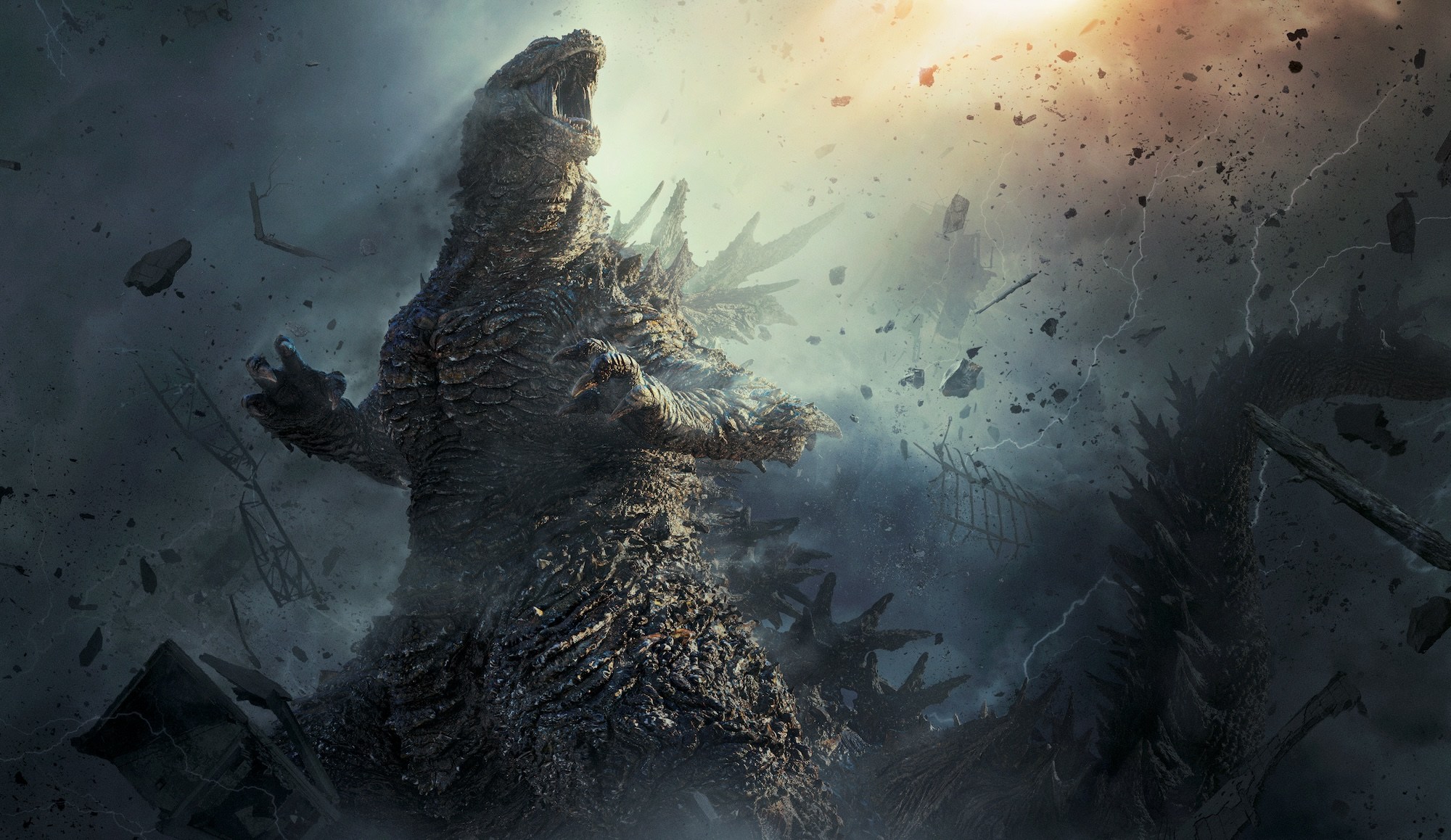
- The Tactical Alliance: Humanity once again adopts the familiar defensive strategy of hoping a rival monster will neutralize an immediate threat, relying on Godzilla to combat King Ghidorah.
- The Ethical Divergence: Naval genius Kenji Noda (Hidetaka Yoshioka) confronts Dr. Murakami, pleading with him to abandon his plans of weaponizing Godzilla against New York City. Noda argues that pursuing vengeance will merely restart an endless cycle of war and sacrifice, consuming another generation of Japanese youth.
- The Intervention of Superpowers: Recognizing the immense strategic value of Dr. Murakami’s research and Noriko’s biological markers, U.S. military forces intervene, attempting to seize control of the breakthrough technology to secure a geopolitical monopoly on the new apocalyptic asset.
- The Ultimate Sacrifice and Escape: Refusing to yield his research to occupying foreign powers, Dr. Murakami faces arrest, while Kōichi and Noriko choose a path of defiant preservation, culminating in a daring escape that prioritizes familial bond over state-level capitulation.
A Philosophical Shift Away from Imperial Militarism
A central pillar of Yamazaki’s duology is its aggressive repudiation of the nationalistic dogma that drove Japan into the Pacific War. Characters like Kōichi Shikishima—former kamikaze pilots considered expendable by an imperial leadership that valued conquest over human life—represent the ordinary citizens who bore the brunt of state failure.
In Godzilla Minus Zero, the dialogue between Noda and Dr. Murakami serves as a rejection of the martial codes and imperial ambitions that defined Japan’s pre-war era. The transition from a society dominated by militaristic pride to one anchored in staunch antiwar pacifism is mirrored in the characters’ personal growth. Noda’s appeals to Murakami are not merely tactical pleas; they are a rejection of the philosophical framework that made the atomic bombings and the horrors of Asian theater conflicts possible.
This ideological evolution is further contextualized by Toho’s historical cinematic tradition. In the original 1954 Godzilla, the scientist Dr. Serizawa invented the Oxygen Destroyer to defeat the monster, only to take his own life and destroy his research to prevent superpowers from weaponizing the technology. Godzilla Minus Zero inverts this tragic archetype. Rather than choosing self-annihilation to suppress scientific knowledge, the modern protagonists reject the utility of violence altogether, opting instead for survival, emotional resilience, and the preservation of human connection.
Broader Impact and Critical Reception
Industry analysts and film critics have noted that Godzilla Minus Zero marks a significant maturation for the franchise, pushing the boundaries of what a modern blockbuster can achieve both visually and thematically. The film’s willingness to secure an R-rating—driven by unflinching depictions of medical carnage, radiation aftermath, and psychological distress—signals Toho’s commitment to addressing the grim historical truths underlying the kaiju genre.
Statements from cinematic historians emphasize that Yamazaki has successfully revitalized the franchise by re-centering human vulnerability against an indifferent cosmos. While Hollywood iterations of Godzilla frequently lean into spectacle, scale, and geopolitical posturing, the Japanese-produced Reiwa-era films continue to ground their narratives in the deeply personal scars of national catastrophe.
Ultimately, the film concludes not with the grand triumph of military might or the permanent neutralization of existential threats, but with a quiet, defiant image: Kōichi, Noriko, and young Akiko squeezed together onto a single motorcycle, riding away from the encroaching shadows of global superpowers and impending mortality. In the face of ungodly and unnatural forces, Godzilla Minus Zero asserts that grand geopolitical ambitions and ancient warrior codes are ultimately trivial. The only ideals truly worth preserving are the bonds of family, love, and the fragile hope for a safer tomorrow.