Blade Runner The Roleplaying Game Replicant Rebellion Expansion Announced by Free League Publishing

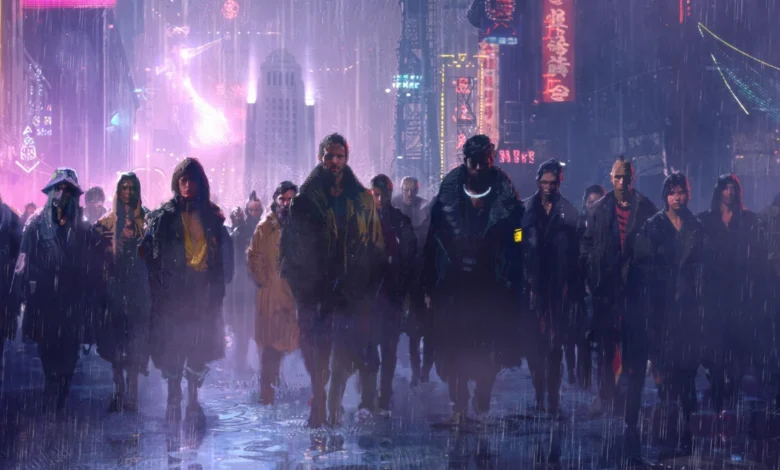
Free League Publishing has officially unveiled its latest expansion for the critically acclaimed Blade Runner: The Roleplaying Game, titled Replicant Rebellion. This new module shifts the narrative focus of the tabletop experience, moving away from the traditional investigative structure of the core game to center on the covert, high-stakes operations of the Replicant Underground. The expansion is slated for a crowdfunding launch on Kickstarter on May 28th, marking a significant evolution in the game’s support strategy since its initial release.
A Departure from the Precinct
The core Blade Runner RPG, which launched to widespread acclaim for its faithfulness to the franchise’s neo-noir aesthetic, primarily places players in the shoes of LAPD Blade Runners. In the standard game, players navigate the moral ambiguity of hunting down rogue Replicants in a rain-slicked, dystopian Los Angeles. This loop of investigation, interrogation, and moral dilemma mirrors the career of Rick Deckard, the protagonist of Ridley Scott’s 1982 cinematic masterpiece.
However, Replicant Rebellion fundamentally alters this dynamic. Instead of enforcing the status quo of the Wallace Corporation or the Tyrell Corporation, players now assume the roles of individuals working to dismantle the system from within. By joining the Replicant Underground, players are tasked with executing sabotage missions, gathering intelligence, and facilitating the liberation of bioengineered beings. This shift represents a transition from a procedural detective drama to a resistance-based tactical thriller.
Contextualizing the Blade Runner Universe
To understand the gravity of the Replicant Rebellion expansion, one must consider the timeline and thematic weight of the Blade Runner intellectual property. Based on Philip K. Dick’s 1968 novel Do Androids Dream of Electric Sheep?, the franchise explores the intersection of artificial intelligence, memory, and the definition of humanity.
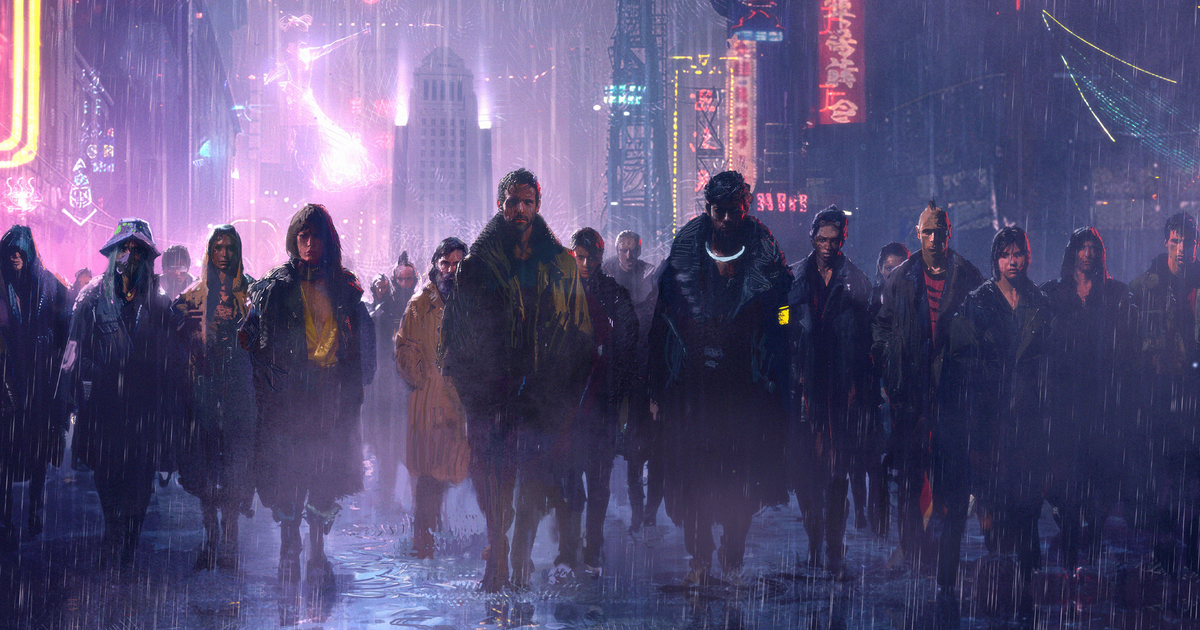
The Blade Runner RPG occupies the period between the original 1982 film and its 2017 sequel, Blade Runner 2049, directed by Denis Villeneuve. This inter-film era is characterized by intense societal instability and the rise of synthetic labor. In the film canon, Replicants are manufactured for dangerous off-world labor, yet they are subjected to "retirement" if they escape their servitude. The Rebellion, therefore, is not merely a subplot; it is the fundamental ideological counter-movement to the systemic exploitation depicted in the source material.
Chronology of the Blade Runner RPG Development
Free League Publishing, a Swedish studio known for its high-production-value licensed games such as the Alien RPG and The One Ring, secured the license to the Blade Runner IP in 2021. The timeline of their development highlights a meticulous approach to the franchise:
- 2021: Free League announces the acquisition of the license and confirms the development of an official tabletop RPG.
- May 2022: The project launches on Kickstarter, raising over $1.5 million from nearly 12,000 backers, demonstrating a massive consumer appetite for the property.
- December 2022: The core rulebook is released to the public, winning accolades for its art direction and mechanical integration of the "Year Zero Engine."
- 2023: The publisher releases various supplements and case files, expanding the playable world of Los Angeles.
- May 2024: Announcement of Replicant Rebellion, signaling the first major expansion of the narrative scope beyond the LAPD-centric base game.
Mechanical and Narrative Implications
The inclusion of a resistance-based campaign offers a unique challenge for tabletop gamers. Unlike the standard "Case File" structure, which focuses on solving a singular mystery, Replicant Rebellion introduces mechanics for managing a clandestine organization. Players must balance the success of their missions with the necessity of remaining undetected by the LAPD and corporate security forces.
Industry analysts suggest that this expansion addresses a common desire among the player base to explore the "other side" of the Blade Runner conflict. By introducing missions such as sabotaging the Replicant trade, infiltrating corporate facilities, and exposing informants, the game moves toward a more action-oriented, mission-based structure. This requires players to navigate complex moral dilemmas: the line between a "freedom fighter" and a "terrorist" is intentionally blurred, a hallmark of the source material’s philosophical depth.
Industry Impact and Market Context
The success of licensed tabletop RPGs has been a growing trend in the hobby gaming industry. As major entertainment franchises seek to engage audiences through deeper, interactive mediums, the "official RPG" has become a vital marketing and community-building tool. Free League’s approach to the Blade Runner license is frequently cited as a gold standard in the industry, largely due to their focus on capturing the "vibe" of the source material—often referred to as "corporate-noir."
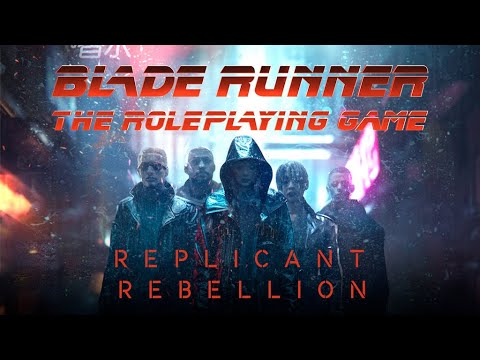
The shift toward the Replicant Rebellion expansion also aligns with the broader cultural interest in the Blade Runner aesthetic, which has seen a resurgence following the release of Blade Runner 2049. By allowing players to take on the role of the oppressed rather than the oppressor, Free League is providing a fresh narrative perspective that mirrors the themes of self-determination central to the franchise’s second act.
Looking Ahead to the Kickstarter Launch
The crowdfunding campaign, scheduled to go live on May 28th, will likely serve as the definitive barometer for the game’s continued growth. Beyond the book itself, fans are anticipating new character archetypes, updated equipment lists suitable for insurgency, and expanded lore concerning the Replicant Underground’s reach outside of the Los Angeles basin.
In an official statement, the developers at Free League emphasized that the expansion will maintain the "grim, rain-drenched atmosphere" that defined the core rulebook while providing players with the agency to change the fate of the city. For those who found the original game’s focus on law enforcement restrictive, Replicant Rebellion offers a necessary, darker, and more rebellious path forward.
Summary of Strategic Significance
The announcement of Replicant Rebellion is not merely an addition of content; it is a strategic pivot that broadens the gameplay variety within the Blade Runner ecosystem. By decentralizing the power dynamic and shifting the focus from the state-sanctioned hunting of androids to the grassroots fight for their liberation, Free League is ensuring that the game remains relevant to players who prioritize character-driven narratives and moral complexity.
As the industry moves closer to the Kickstarter date, the focus will remain on whether this expansion can maintain the high production standards set by its predecessors. With the franchise having spanned over four decades of cinematic history, the Replicant Rebellion serves as an essential bridge between the established canon and the creative freedom required for an engaging, player-led tabletop experience. The expansion stands as a testament to the enduring popularity of the Blade Runner universe and the growing sophistication of the modern tabletop RPG market.
Related posts: