BijouTheater Launches Ad-Supported Streaming Platform Dedicated to Cult Cinema and Independent Genre Films

The landscape of digital media consumption is undergoing a significant transformation as viewers increasingly move away from high-cost, multi-tiered subscription models in favor of free, ad-supported streaming television (FAST). Joining this growing sector is BijouTheater, a newly launched digital destination that curates a diverse library of horror, science fiction, kaiju, and independent cinema. By removing the financial barrier of monthly subscription fees, the platform aims to capture a niche audience of film enthusiasts who prioritize genre-specific discovery over the broad, algorithm-driven catalogs found on major legacy platforms.
The platform is a project of Wintree Corporation, which has positioned the service as a digital alternative to the traditional independent cinema experience. Accessible via web browsers at www.BijouTheater.tv, the service has also expanded to include support for major SmartTV platforms, including Roku, signaling a strategic intent to compete directly for living room screen time.
The Evolution of the FAST Model
The launch of BijouTheater arrives during a pivotal moment for the streaming industry. According to industry reports from 2025, consumer fatigue regarding "subscription stacking"—the practice of maintaining multiple paid accounts—has reached an all-time high. Market analysis suggests that the average household is now willing to tolerate periodic commercial interruptions in exchange for zero-cost access to niche content.
By focusing on high-concept, low-budget, and cult-classic genres, BijouTheater differentiates itself from mainstream competitors that prioritize blockbuster franchises and high-budget original series. The platform’s inventory suggests a lean toward "grindhouse" aesthetics and independent productions, categories that have historically maintained a dedicated, albeit geographically dispersed, fan base.
Strategic Content Curation
The current programming strategy at BijouTheater utilizes a blend of vintage exploitation cinema and modern independent features. This dual approach serves two distinct audience segments: the nostalgia-driven viewer seeking restoration-quality prints of 1970s and 80s genre staples, and the contemporary cinephile interested in the latest trends in low-budget horror and speculative fiction.
The platform’s inaugural library features notable titles that illustrate this diversity:
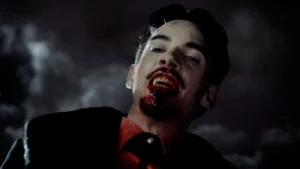
- Night of the Zombies (1980): Directed by Bruno Mattei, this film represents the pinnacle of Italian exploitation cinema. Set in New Guinea, the film is characterized by its gritty production values and distinctive synthesizer-heavy score, offering viewers a window into a bygone era of international genre filmmaking.
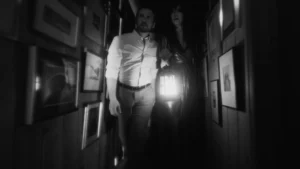
- Messiah of Evil (1973): Often cited by film historians as a benchmark in atmospheric horror, this film serves as an anchor for the platform’s "classic" category. Its surrealist narrative and dreamlike pacing contrast with the faster, more aggressive editing styles found in contemporary thrillers.
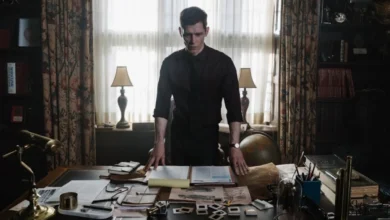
- Half Dead Fred (2022): Representing the platform’s modern indie catalog, this film blends the conventions of traditional film-noir with supernatural elements. It serves as a case study for how contemporary independent filmmakers are remixing legacy genres to appeal to modern sensibilities.
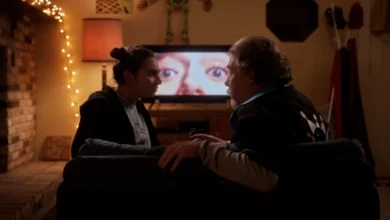
- Debbie Does Demons (2022): This title highlights the platform’s commitment to the horror-comedy subgenre. By balancing campy humor with practical gore, the film targets the "midnight movie" demographic that has long been underserved by corporate-controlled streaming giants.
Industry Commentary and Corporate Strategy
Francis Manzo, President of Wintree Corporation, has framed the launch as a service to the film community rather than merely a commercial venture. In a statement regarding the platform’s objectives, Manzo noted that the primary goal is the "discovery" of cinema.
"We are building BijouTheater for people who enjoy discovering movies," Manzo stated. "Every visit helps our growing independent channel reach more film fans."
The business model relies entirely on ad-supported revenue, a structure that requires high viewer retention rates to remain sustainable. By creating a platform that is platform-agnostic—working across smartphones, tablets, and televisions—Wintree Corporation is attempting to lower the friction of entry. Unlike subscription services that require a credit card and a commitment to a billing cycle, BijouTheater allows for immediate, on-demand engagement.
The Rise of Niche Streaming Platforms
The emergence of services like BijouTheater is symptomatic of a broader shift in digital entertainment. In the early 2020s, the market was dominated by massive aggregators that attempted to provide "everything for everyone." As those services have raised prices, a vacuum has formed. Small-to-medium-sized streaming services are now filling that void by offering highly curated, specific content.
Research indicates that fans of horror and science fiction are among the most loyal demographic segments in the media landscape. These viewers are statistically more likely to engage with community-driven platforms that provide context, curation, and a sense of shared interest. BijouTheater’s strategy of including classic, hard-to-find exploitation films suggests it is targeting the "collector" demographic—individuals who would otherwise have to hunt for physical media or pay high rental fees on legacy VOD platforms.
Future Implications for Independent Cinema
The long-term success of the BijouTheater model will likely hinge on its ability to sustain a rotating library of content. In the current media environment, licensing rights are notoriously volatile, with films moving between services on a monthly basis. To maintain a loyal audience, BijouTheater will need to cultivate long-term partnerships with independent distributors and production houses that specialize in genre cinema.
Furthermore, the integration of SmartTV apps, such as Roku, is a critical step toward professionalization. For a streaming service to be considered a viable alternative to cable or major streamers, it must be accessible via the "10-foot experience"—the living room television. By prioritizing this infrastructure early in its development, BijouTheater is signaling that it intends to remain a permanent fixture in the digital streaming space.
Technological Accessibility and User Experience
BijouTheater has utilized a straightforward interface that avoids the complex, multi-menu layouts of larger platforms. The inclusion of QR code functionality for mobile-to-TV syncing demonstrates an awareness of modern viewer habits. By allowing users to transition from a mobile discovery phase to a stationary viewing experience, the platform minimizes the "paradox of choice" that often leads to viewer attrition on larger platforms.
The platform’s reliance on advertising is also a point of note. While many viewers express frustration with commercials, the "ad-light" or "ad-supported" model has seen a resurgence in popularity. By clearly identifying as a free, ad-supported service, BijouTheater avoids the potential for "bait-and-switch" negative consumer sentiment, setting clear expectations from the moment the user arrives at the landing page.
Conclusion: A New Venue for Genre Fans
As BijouTheater continues to build its library, its role in the ecosystem of independent film will be defined by its commitment to the genres it champions. For fans of the macabre, the surreal, and the unconventional, the platform offers a centralized, accessible, and cost-free venue for exploration. Whether the platform can scale its infrastructure to meet the demands of a growing user base remains to be seen, but its current focus on a curated, niche experience provides a clear alternative to the homogenization of modern digital entertainment.
Interested viewers can access the platform at www.BijouTheater.tv. As the service expands, the industry will be watching to see if this model of "discovery-first" streaming can serve as a template for other independent content providers seeking to reclaim the attention of the modern, fragmented audience.
Related posts: