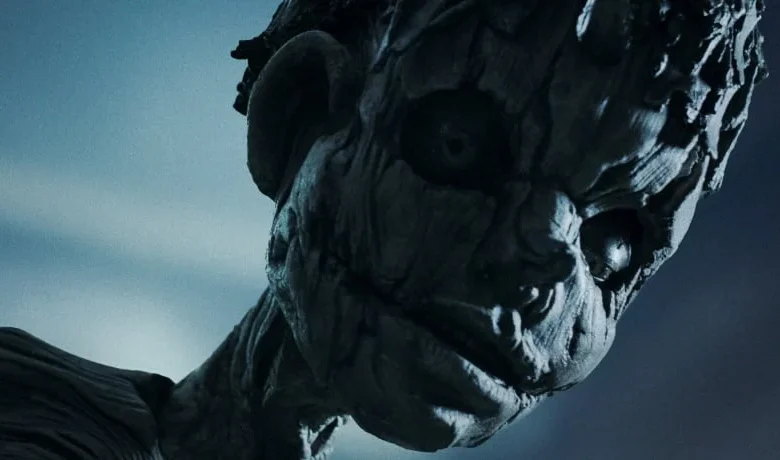
Viva Pictures has acquired distribution rights for the upcoming slasher horror film Pinocchio Unstrung, slated for a North American theatrical release on July 24, 2026. This marks the latest installment in what is being dubbed the "Twisted Child Universe," a burgeoning cinematic franchise that reinterprets classic children’s stories through a dark, violent lens. The film’s acquisition by Viva Pictures, a distributor known for its diverse genre offerings, signals growing industry interest in this unconventional horror subgenre.
Pinocchio Unstrung boasts a notable cast, featuring Robert Englund, a horror icon renowned for his portrayal of Freddy Krueger in the A Nightmare on Elm Street franchise. He is joined by Richard Brake, a veteran actor recognized for his roles in The Strangers trilogy and the television series Mayor of Kingstown. The ensemble also includes Jessica Balmer and Cameron Bell, who have prior experience in genre productions.
The film’s creative team is led by writer and director Rhys Frake-Waterfield, who previously helmed Winnie-the-Pooh: Blood and Honey, another project that gained significant traction for its deconstruction of a beloved children’s character. Pinocchio Unstrung is produced by Scott Chambers under their Jagged Edge Productions banner, reinforcing their commitment to this niche of horror filmmaking.
Having made its world premiere at the prestigious Brussels International Fantastic Film Festival, Pinocchio Unstrung has already garnered attention from international genre enthusiasts. The festival circuit often serves as a crucial launchpad for independent horror films, providing early critical reception and generating pre-release buzz. The Brussels International Fantastic Film Festival, established in 1983, is a significant event in the European film calendar, dedicated to showcasing a wide range of fantasy, science fiction, and horror cinema, making it an appropriate venue for the film’s debut.
The narrative of Pinocchio Unstrung is described as a "chilling reimagining of the familiar fable." Set within the confines of an elite London preparatory school, the film diverges sharply from Carlo Collodi’s original tale. In this iteration, a sinister Cricket, voiced by Robert Englund, exerts a malevolent influence. The titular character, Pinocchio, is brought to life by Geppetto, portrayed by Richard Brake. However, this creation is not one of innocence and wonder. Instead, Pinocchio embarks on a violent quest to become a "real boy," a twisted ambition that involves dismembering his human counterpart, James, piece by piece. This premise suggests a focus on body horror and a psychological exploration of desire and identity, warped into a murderous compulsion.
Genesis of the Twisted Child Universe
The emergence of the "Twisted Child Universe" is a direct response to the public domain status of classic literary characters. As copyright protections expire, creators are increasingly exploring these familiar figures and reimaging them in new, often subversive, contexts. Winnie-the-Pooh: Blood and Honey, released in 2023, was a foundational film for this trend, demonstrating that a low-budget, high-concept approach to public domain characters could achieve significant commercial success and cultural impact. The film grossed over $5.2 million worldwide against a reported budget of $100,000, proving the viability of the concept.
Following the unexpected success of Winnie-the-Pooh: Blood and Honey, Jagged Edge Productions and Rhys Frake-Waterfield have been strategically developing further installments. Pinocchio Unstrung represents the next significant step in this cinematic universe. The decision to tackle Pinocchio, a character already steeped in themes of transformation and morality, offers fertile ground for a horror retelling. The original story’s cautionary elements regarding obedience, truthfulness, and the consequences of one’s actions can be amplified and distorted into a slasher narrative.
Creative Vision and Technical Execution
In anticipation of the film’s release, interviews with key creative personnel have shed light on the artistic and technical considerations behind Pinocchio Unstrung. Rhys Frake-Waterfield, in discussions with media outlets, has articulated his vision for a grittier, more visceral interpretation of the Pinocchio mythos. His approach aims to tap into the inherent darkness that can be found within seemingly innocent stories when viewed through a modern horror lens. The choice of an elite London prep school as the setting provides a backdrop of privilege and hidden secrets, a common trope in horror that can amplify the sense of dread and isolation.
The special effects wizardry for Pinocchio Unstrung was entrusted to Todd Masters, a seasoned professional with extensive experience in the field. Masters has been instrumental in bringing creature designs and practical effects to life for numerous horror films. His involvement suggests a commitment to tangible, unsettling visuals rather than relying solely on CGI. In interviews, Masters has emphasized the importance of practical effects in creating a sense of realism and visceral impact, particularly in a film that deals with dismemberment and physical transformation. The design of Pinocchio himself, likely a departure from the beloved animated character, is expected to be a key element in the film’s horror aesthetic. Masters’ past work, which includes contributions to films like The Texas Chainsaw Massacre: The Beginning and The Thing (2011), indicates a talent for crafting disturbing and memorable creature effects.
Cast and Character Dynamics
The casting of Robert Englund as the sinister Cricket is a strategic move that leverages his established horror persona. Englund’s ability to imbue characters with a terrifying yet charismatic presence is expected to elevate the role of the manipulative puppet master. His voice alone can evoke a sense of dread, making him an ideal choice for a character that influences events from the shadows.
Richard Brake’s casting as Geppetto adds gravitas to the role of the creator. Brake’s performances often carry an intensity that can be unsettling, suggesting that this Geppetto may be more complex and perhaps more desperate than his predecessors. The dynamic between Englund’s Cricket and Brake’s Geppetto is likely to be central to the film’s exploration of Pinocchio’s origins and motivations.
The film’s synopsis hints at a familial conflict with the mention of Pinocchio’s "brother James." This element introduces a human victim who becomes the object of Pinocchio’s gruesome ambition. The "one piece at a time" description suggests a methodical and drawn-out process of violence, a hallmark of many slasher films. The character of James, though not yet extensively detailed, will likely serve as the primary human element against which Pinocchio’s monstrous transformation is measured.
Release Strategy and Market Reception
Viva Pictures’ acquisition of North American distribution rights indicates confidence in Pinocchio Unstrung‘s commercial potential. The film’s release date, July 24, 2026, positions it within the summer blockbuster season, though its genre may appeal more to dedicated horror fans seeking an alternative to mainstream fare. The strategy of releasing these "Twisted Child Universe" films theatrically, rather than direct-to-video, underscores the ambition to establish them as legitimate cinematic entities.
The initial reception at the Brussels International Fantastic Film Festival will provide early indicators of audience and critical response. The film’s viral sensation status, as mentioned in the initial announcement, suggests that it has already captured the attention of online horror communities and genre enthusiasts. Social media engagement, trailer views, and early reviews will be crucial in building momentum leading up to the theatrical debut.
The success of Pinocchio Unstrung could have significant implications for the future of the "Twisted Child Universe" and similar horror franchises. If the film resonates with audiences, it could pave the way for further reinterpretations of public domain characters, potentially leading to a shared cinematic universe with crossover potential. This trend challenges traditional notions of character IP and highlights the evolving landscape of film production and distribution.
Broader Implications and Analysis
The phenomenon of reimagining classic children’s literature through a horror lens raises several points for analysis. Firstly, it speaks to a cultural fascination with subverting innocence and exploring the darker undercurrents of familiar narratives. By transforming beloved characters into terrifying antagonists, filmmakers tap into a primal fear of the corrupted familiar.
Secondly, the economic model behind these films, often characterized by low budgets and high-concept pitches, offers an accessible entry point for independent filmmakers. The public domain status of source material removes significant licensing costs, allowing for greater creative freedom and a potentially higher return on investment, as demonstrated by Winnie-the-Pooh: Blood and Honey.
However, this approach also invites scrutiny. Critics may question the artistic merit of "shock value" reboots and the potential for exploitation of nostalgic material. The ethical considerations of transforming characters that hold sentimental value for many, particularly children, are also part of the ongoing discourse surrounding these films. The success of Pinocchio Unstrung will likely be a key factor in determining whether this trend is a fleeting novelty or a sustainable subgenre within horror cinema.
The film’s narrative focus on Pinocchio’s desire to become "real" by dismembering a human counterpart offers a dark, psychological twist on the original story’s themes of self-improvement and morality. In the context of a slasher film, this transformation is not about growth but about a violent, destructive pursuit of identity. The "sinister Cricket" serving as an influence suggests a Faustian bargain or a corrupted conscience, guiding Pinocchio’s descent into madness and violence.
The presence of multiple video interviews embedded within the original article suggests a concerted effort to engage with the audience and provide behind-the-scenes insights. These interviews with Rhys Frake-Waterfield and Todd Masters likely delve deeper into their creative processes, design choices, and the challenges of bringing such a dark reimagining to life. They serve as promotional tools that can amplify the film’s reach and connect with fans who are eager to learn more about the making of Pinocchio Unstrung. The inclusion of a YouTube embed further broadens the potential reach of this promotional material.
The film’s journey from conception to its world premiere at the Brussels International Fantastic Film Festival, followed by its acquisition for a wide theatrical release, outlines a typical, albeit accelerated, trajectory for an independent horror film aiming for broader appeal. The strategic timing of its release in the summer of 2026 suggests an effort to capture a significant audience during a period of increased cinema attendance.
As the release date approaches, further details regarding the film’s marketing campaign, including trailers and promotional clips, are expected to emerge. These will offer a clearer glimpse into the visual style, tone, and specific horror elements that Pinocchio Unstrung will bring to the screen. The anticipation surrounding the film highlights the growing interest in the "Twisted Child Universe" and its continued exploration of classic tales through the lens of contemporary horror. The success of this venture will undoubtedly influence future productions and potentially redefine how iconic characters are revisited in cinematic storytelling.