Erie Finds New Horror in the Found-Footage Genre as Beyond Fest Prepares for World Premiere

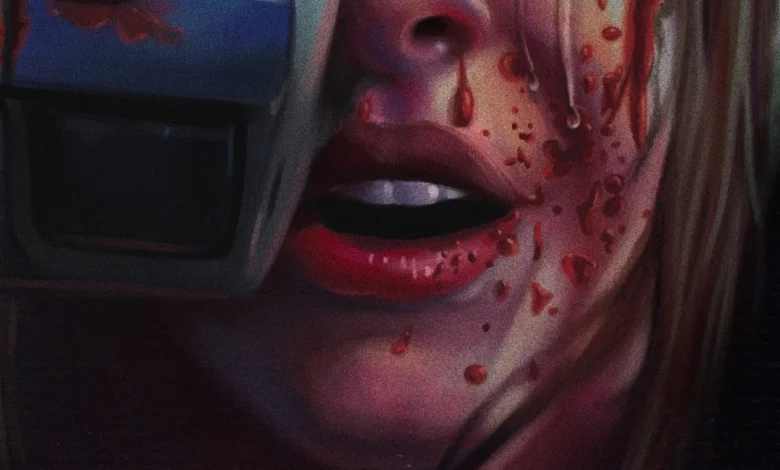
The landscape of found-footage horror is preparing for a significant addition with the upcoming release of Erie, a feature-length film that captures the tension of late-1990s rural paranoia. Scheduled for its world premiere on October 1, 2026, at the prestigious Beyond Fest in Los Angeles, the film has generated considerable industry interest for its blend of period-accurate aesthetics and a psychological narrative grounded in the cultural climate of the turn of the millennium. Directed by Alison-Eve Hammersley, the film serves as a chilling exploration of communal grief and the dangers of unearthing local secrets.
The Narrative Foundation of Erie
Set in the fall of 1999—a period often associated with Y2K anxiety and the rapid shift in digital consumption—Erie follows two protagonists, Stella and her brother Oscar. Upon returning to their childhood home in Erie, Pennsylvania, the siblings are driven by a singular, urgent goal: to investigate a series of unexplained suicides that have left their community in a state of quiet, pervasive terror. Central to their personal mission is the mystery surrounding their sister, whose disappearance acts as the primary catalyst for their search.
Armed only with a vintage camcorder, the siblings attempt to document a reality that the rest of their town seems determined to ignore. The narrative trajectory suggests that their investigation into local lore and personal family history evolves into a complex web of conspiracy theories. As the film progresses, the boundaries between rational inquiry and psychological disintegration blur, marking the production as a character-driven descent into paranoia rather than a traditional slasher film.
Production Context and Creative Direction
Erie marks the feature directorial debut of Alison-Eve Hammersley, an award-winning filmmaker whose previous work in the short-film format established her as a voice to watch in the independent genre space. Hammersley co-wrote the screenplay with J. Batzli, focusing on a script that emphasizes atmosphere and slow-burn dread.
The production is the result of a collaborative effort between Rat’s Nest Pictures, led by producers Hammersley and Anna Golin, and Dark Atlantic, represented by genre specialist George Henry Horton. Additional production support comes from Thomas Hartmann and Matt Gossen. The casting process prioritized authenticity, bringing together a group of emerging actors to anchor the film’s intimate, high-stakes premise. The lead roles are filled by Carly Stewart, known for her work in Breakup Season; Grant Crater, recognized for Church of Phil; and Ryan Garcia, who appeared in the Jordan Peele production NOPE.

The Significance of Beyond Fest
The choice of Beyond Fest for the world premiere of Erie is significant for both the film’s distribution prospects and its cultural standing. Since its inception, Beyond Fest has functioned as the premier genre film festival in the United States, hosted annually in Los Angeles in partnership with the American Cinematheque. The festival is widely considered a launchpad for innovative horror and sci-fi films, often bridging the gap between independent arthouse cinema and mainstream genre distribution.
By premiering at the Los Feliz Theater on October 1, 2026, the team behind Erie is placing the film in front of one of the most discerning audiences in the horror community. Tickets for the event are scheduled for release on the morning of the screening at 9:00 AM, a move that reflects the festival’s commitment to accessibility for local film enthusiasts and industry professionals alike.
Analysis of the Found-Footage Aesthetic
The resurgence of found-footage as a storytelling device in the mid-2020s warrants closer examination. After the initial boom of the late 1990s—pioneered by films like The Blair Witch Project—the genre went through several phases of saturation. However, modern iterations like Erie appear to be utilizing the aesthetic not as a gimmick, but as a formal tool to comment on the nature of truth and memory.
By setting the film in 1999, the creators are leveraging the specific visual language of analog technology. The lower resolution, tracking errors, and the inherent "shakiness" of a camcorder provide a sense of authenticity that digital cinematography often struggles to replicate. This stylistic choice creates a visceral connection to the past, reminding the audience of a time when information was less accessible and truth was harder to verify. This thematic preoccupation with "the stories not worth telling" serves as the film’s central irony: the characters are desperate to document a history that the community is desperate to erase.
Chronology of the Production
The development of Erie has been characterized by a focused, methodical approach. While specific dates regarding principal photography remain private, the release of the teaser in late September 2026 provided the first tangible evidence of the film’s aesthetic identity. The teaser, which depicts the protagonists navigating a darkened, industrial-looking building in search of a missing friend, establishes a tone of claustrophobia and impending dread.
- Development Phase: Producers and writers finalized the script with a focus on regional, mid-western Gothic elements, drawing inspiration from the real-world history and geography of Erie, Pennsylvania.
- Pre-Production: Casting secured a mix of established independent talent, with production houses Rat’s Nest and Dark Atlantic committing to the project’s specific logistical needs for a found-footage shoot.
- Post-Production: The creative team focused on color grading and sound design to ensure the 1999 setting felt period-accurate, utilizing the limitations of 90s-era video equipment to enhance the film’s "unhinged" atmosphere.
- Premiere Announcement: In late September 2026, the partnership with Beyond Fest was confirmed, positioning the film as a highlight of the autumn festival season.
Broader Implications for Genre Cinema
The film arrives at a time when audiences are increasingly drawn to "elevated" horror—a term often used to describe films that prioritize themes of trauma, grief, and societal collapse over simple jump scares. Erie fits comfortably within this trend, using the found-footage medium to explore the intersection of personal tragedy and collective denial.

The involvement of producers such as George Henry Horton, who has a proven track record with titles like Dark Hollow and Strawstalker, suggests that Erie is being positioned for a broader release beyond the festival circuit. Should the film receive positive critical reception at Beyond Fest, it will likely secure a distribution deal that could see it reaching audiences via streaming platforms or limited theatrical runs by early 2027.
Furthermore, the film’s focus on regional storytelling—specifically the setting of Pennsylvania—adds a layer of texture that often resonates with viewers looking for stories that feel grounded in reality. By stripping away the polish of big-budget productions, Erie aims to foster a more intimate, frightening experience that challenges the audience to question the reliability of the narrator and the integrity of the footage presented.
As the industry prepares for the October 1 screening, the primary question remains: will the film successfully balance its complex narrative themes with the visceral demands of the found-footage format? Based on the initial promotional materials and the pedigree of the creative team, Erie represents a serious attempt to revitalize a classic horror sub-genre for a contemporary audience, proving that even twenty-five years later, the limitations of an old camcorder can still be the most effective tools for creating genuine suspense.
Tickets for the premiere are expected to sell out rapidly, underscoring the anticipation surrounding Hammersley’s debut. For those interested in the future of the genre, the screening at the Los Feliz Theater will likely serve as a definitive indicator of the direction independent horror is taking as it moves deeper into the latter half of the decade.