Oasis: Don’t Look Back In Anger Captures the Triumph and Turmoil of Britpop’s Most Iconic Reunion

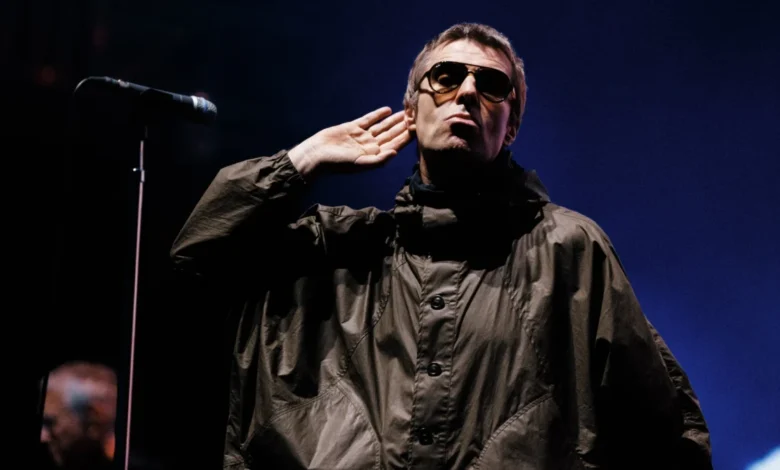
The enduring cultural footprint of Manchester’s most infamous musical export has returned to the cinematic forefront with the release of the documentary Oasis: Don’t Look Back In Anger. Chronicling the monumental and highly anticipated 2025 world stadium reunion tour, the film provides an intimate, unvarnished look at the reconciliation of brothers Noel and Liam Gallagher. Directed and written by acclaimed British filmmaker Steven Knight—renowned for his work on Peaky Blinders and major cinematic projects—the documentary has quickly emerged as a defining music film of the decade. Rather than relying solely on archival footage and standard rockumentary tropes, the production shifts its narrative weight toward the global fanbase, capturing how the anthems of the 1990s Britpop movement continue to resonate across multiple generations.
Main Facts and Chronology of the Reunion
The trajectory of Oasis from local Manchester upstarts to global stadium titans is a well-documented chapter in rock history, punctuated by immense commercial success and equally infamous internal combustion. Formed in 1991, the band quickly captured the zeitgeist of the UK music scene, defining the Britpop era alongside contemporaries such as Blur, Pulp, and Suede. Their 1994 debut album, Definitely Maybe, became the fastest-selling debut album in British history at the time, establishing the Gallagher brothers as dominant cultural figures. This was followed swiftly by the monumental 1995 sophomore release, (What’s The Story) Morning Glory?, which yielded global anthems including Wonderwall and Don’t Look Back In Anger.
The peak of their mid-90s supremacy culminated in August 1996, when Oasis played two consecutive nights at Knebworth Park in Hertfordshire, England. Performing before a combined audience of 250,000 people—with an estimated 2.6 million people applying for tickets—the event cemented their status as a defining generational act. However, the intense creative friction between Noel’s disciplined songwriting and Liam’s mercurial frontman persona ultimately proved unsustainable. Decades of public infighting, cancelled shows, and mounting tensions reached a breaking point backstage in Paris in August 2009, resulting in an abrupt split that left fans and the music industry convinced the brothers would never share a stage again.
The landscape shifted dramatically in late 2024 and early 2025 when official announcements confirmed the impossible: the Gallagher brothers had buried the hatchet. The subsequent 2025 world stadium tour marked their first live performances together in 16 years. The documentary captures this high-stakes return, beginning with tense, remotely monitored rehearsals on a massive soundstage in Wimbledon, London. The initial footage highlights the palpable anxiety among the production crew and band members—featuring guitarist Paul “Bonehead” Arthurs, guitarist Gem Archer, bassist Andy Bell, and American drummer Joey Waronker—as they wait to see if Liam Gallagher will participate. When Liam ultimately arrives, his trademark swagger and commanding presence immediately elevate the sessions, proving that the sonic chemistry remains intact despite the intervening years.
Behind the Lens: Production and Fan Perspectives
Steven Knight’s approach to Don’t Look Back In Anger moves away from conventional hagiography to examine the socio-economic backdrop that birthed the band. Coming from working-class roots in Manchester, the Gallaghers’ rise from difficult upbringings resonated deeply with a British working-class audience navigating post-industrial economic shifts in the early 1990s. The documentary traces how this narrative of escape and triumph translates globally, featuring interviews with fans from diverse international backgrounds who view the band’s music not merely as entertainment, but as a soundtrack to personal milestones and emotional resilience.
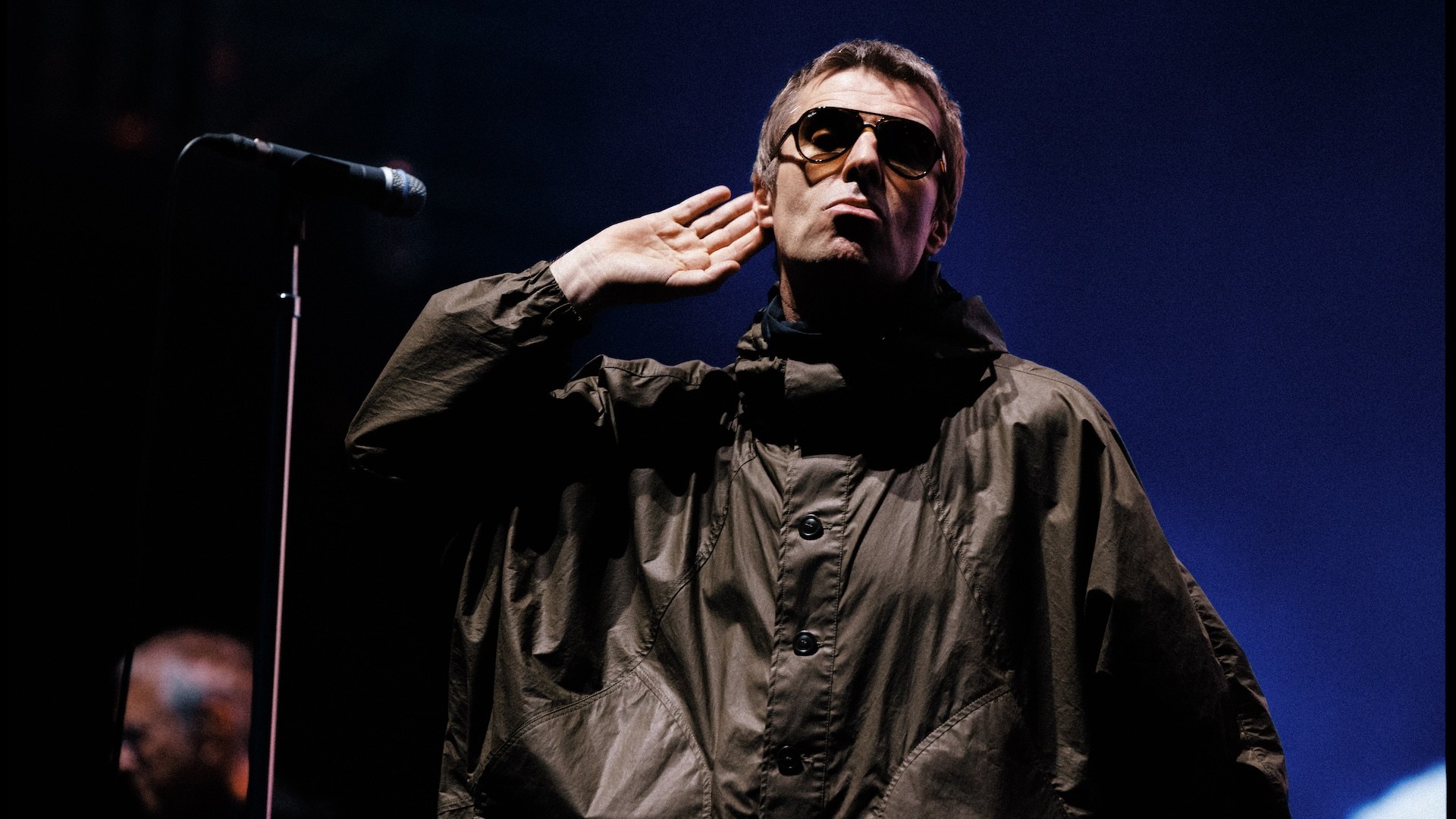
The film dedicates significant runtime to the opening night of the reunion tour on July 4, 2025, at the Principality Stadium in Cardiff, Wales. In a powerful visual moment captured by the filmmakers, Liam grabs Noel’s arm, raising it in solidarity as they walk toward the edge of the stage to face a roaring stadium audience. Through classical music scoring and quiet, reflective interludes, the documentary juxtaposes the arena-sized spectacle with intimate conversations between parents and children, long-time admirers, and younger demographics discovering the music decades after its initial release.
Supporting Data and Commercial Legacy
The commercial success of Oasis remains a towering benchmark within the British music industry. Noel Gallagher’s prolific songwriting catalog boasts nine UK number-one singles and twelve UK number-one albums—comprising eight studio releases with Oasis and four with his post-breakup project, Noel Gallagher’s High Flying Birds. Notably, Noel achieved the historic distinction of becoming the first artist in UK chart history to guide ten consecutive studio albums to the number-one position.
Despite their monumental success across the UK, Europe, and South America, Oasis historically faced commercial friction in the United States. While their 1996 North American tour included notable performances—such as a support slot for U2 on their PopMart Tour in 1997 and earlier appearances at venues like New York’s Madison Square Garden—their stateside reception rarely matched the near-religious fervour experienced in Britain. Analysts attribute this disparity to cultural differences in the reception of the Britpop movement and the band’s penchant for public volatility during live engagements, which occasionally derailed American promotional efforts.
Implications and Future Outlook
The cultural resonance of the 2025 reunion tour extends far beyond nostalgia, reflecting a broader contemporary desire for authentic communal experiences in live music. In an era marked by rapid technological advancements, economic uncertainty, and geopolitical division, stadium-scale rock performances function as modern cultural sanctuaries where audiences seek collective catharsis.
Building on the commercial momentum of the 2025 comeback, the band officially announced an expansion of their touring schedule via their official web channels. The upcoming 2027 itinerary will see Oasis return to the live arena, with scheduled dates spanning Ireland, the United Kingdom, mainland Europe, and the United States. Ticket demand for the newly announced dates has already reached unprecedented levels, triggering massive digital queue volumes and extensive lottery systems as millions of fans vie for access.
Don’t Look Back In Anger ultimately serves as both a historical accounting of Britpop’s most volatile partnership and a testament to the enduring power of catalog music. By focusing on reconciliation, artistic longevity, and the unbreakable bond between the performers and their audience, the documentary secures its place not only as a vital record of a legendary musical comeback, but as a poignant exploration of human forgiveness and shared cultural memory.