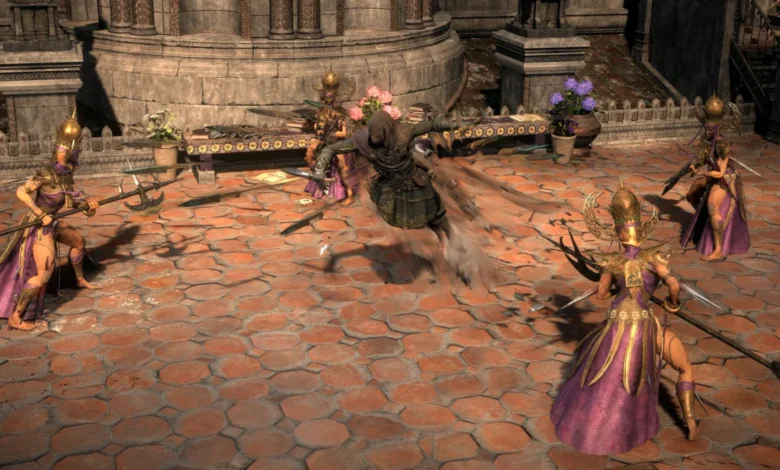
The long-awaited transition of Path of Exile 2 from its two-year early access phase to a comprehensive 1.0 release is officially scheduled for December 11. Grinding Gear Games (GGG) has positioned this launch as a definitive milestone in the ARPG genre, promising to deliver a sprawling expansion of content that fundamentally reshapes the gameplay experience for both newcomers and veteran exiles. The update encompasses an overhaul of core systems, the introduction of new character archetypes, a complete narrative campaign, and a refined endgame structure designed to address long-standing community feedback regarding build diversity and player agency.
A New Chapter in Wraeclast: The 1.0 Expansion
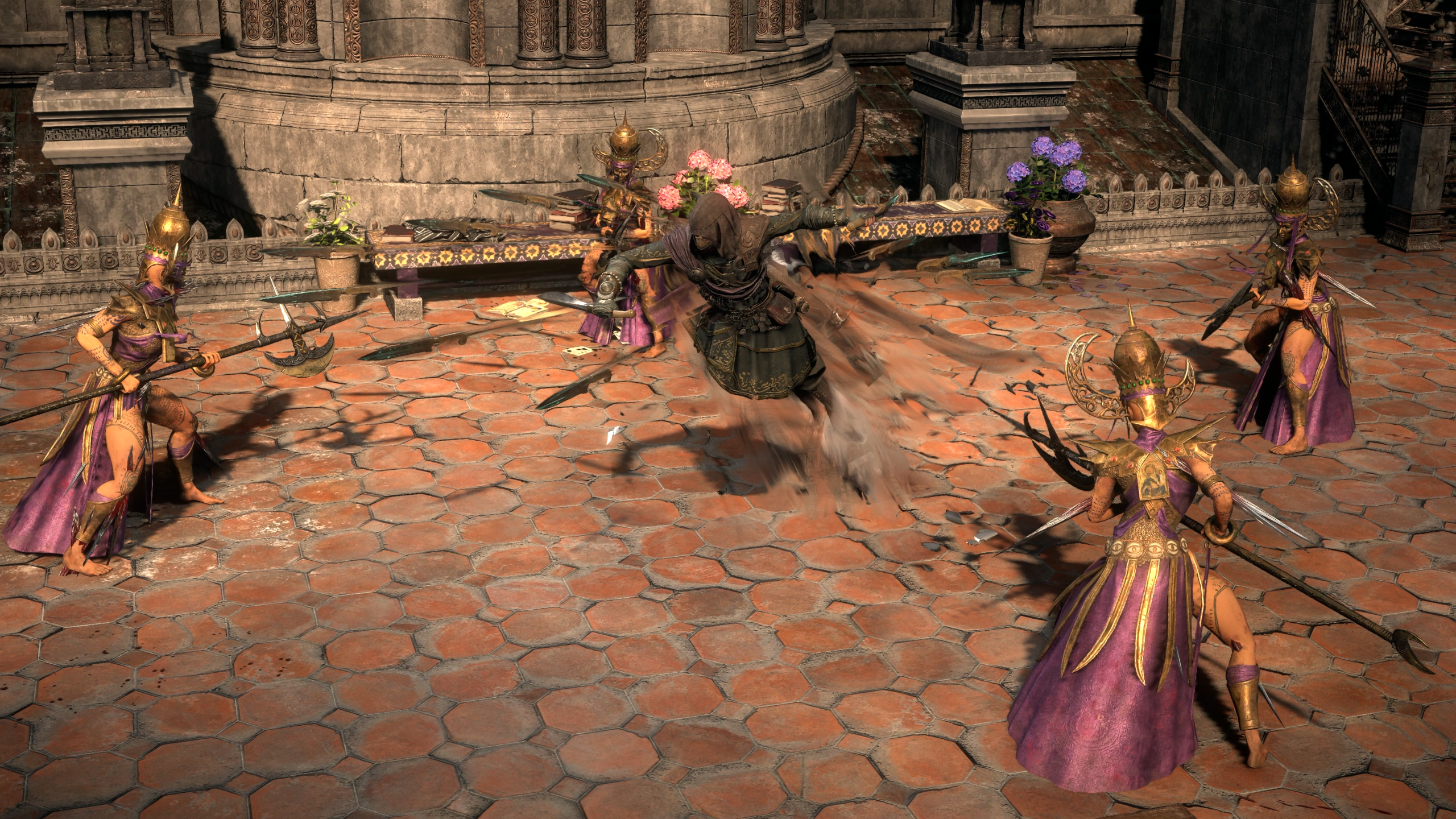
The centerpiece of the upcoming release is the finalization of the Path of Exile 2 campaign, which introduces Acts 5 and 6. These additions serve to bridge the narrative gap, bringing the player’s pursuit of the Beast to a conclusive arc while revisiting the lore-heavy region of Oriath. Beyond the story beats, the campaign has been re-engineered to provide a more dynamic experience through the implementation of bespoke rare monsters. These enemies are not merely reskins; they feature unique combat behaviors, distinct visual profiles, and complex mod sets, ensuring that the leveling process remains challenging and unpredictable.
Expanding the Roster: The Shadow and The Duelist
Combat depth in Path of Exile 2 will see a significant increase with the debut of two new classes: the Shadow and the Duelist. The Shadow class introduces specialized mechanics centered on high-mobility, trap-based combat, and shadow-cloning techniques. By utilizing daggers, players can employ advanced stealth tactics and synergy-based skills like Blade Vortex and Fire Trap.
Conversely, the Duelist brings a heavy emphasis on sword-play, reintroducing fan-favorite skills such as Cyclone and Hemorrhage. The mechanical complexity of the Duelist is augmented by a stance-switching system—Blood and Sand—which allows players to adapt their combat profile mid-fight. With support for two-handed, dual-wielding, and "sword-and-board" configurations, the Duelist is poised to become a cornerstone of both melee and hybrid build diversity.
Conquerors of Wraeclast: The New League Mechanic
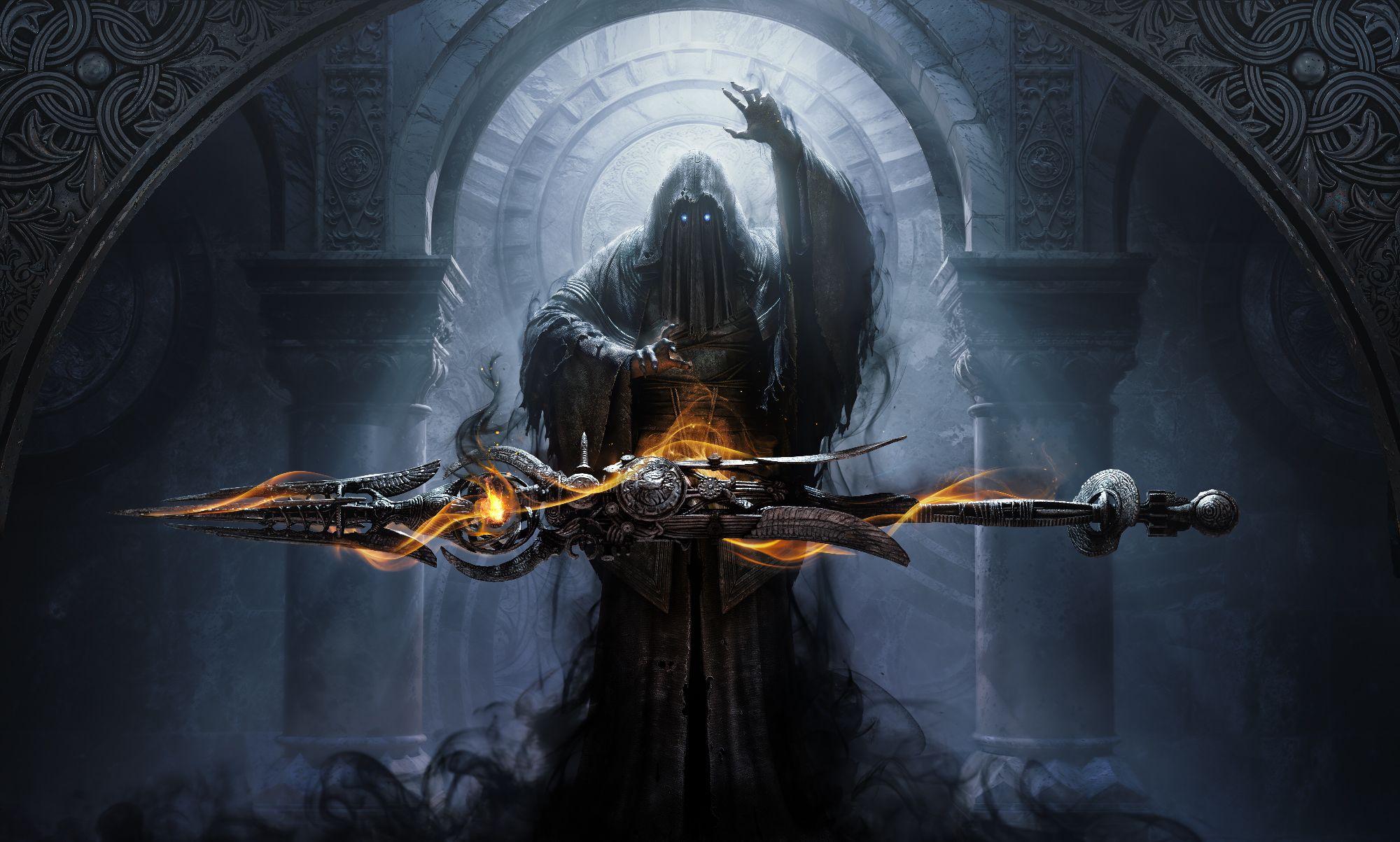
The 1.0 launch will be accompanied by a major league mechanic titled "Conquerors of Wraeclast." This system introduces a sophisticated base-building layer that functions similarly to the city-management mechanics seen in strategy games like Heroes of Might and Magic. Players are tasked with constructing and upgrading a castle throughout the campaign, recruiting soldiers from over 70 distinct points of interest.
The system serves a dual purpose: it acts as a primary progression vehicle for army-building and provides a strategic endgame loop. Commanders recruited during the campaign can be assigned to run maps on behalf of the player, effectively converting gold into consistent progression and loot. This system builds upon the successful foundations laid by the "Kingsmarch" league in the original Path of Exile, streamlining the process of resource accumulation and endgame expansion.
Endgame Metamorphosis: Atlas and Passive Tree Revisions
Perhaps the most significant change for long-term players is the complete overhaul of the endgame Atlas and the passive skill tree. The current Atlas structure, which has grown increasingly bloated over years of iterative updates, will be trimmed from over 300 nodes down to a more focused, 70-node skill tree. Developers intend for this reduction to emphasize meaningful choices; players are expected to unlock approximately 50 of these nodes by the time they reach the pinnacle boss, the Arbiter of Divinity.
Additionally, the passive tree is undergoing a structural renovation. Historically, jewel sockets were often placed on the outer periphery of the tree, leading to homogenized endgame builds that prioritized "jewel-slot-chasing." By integrating these slots directly into specific skill clusters, Grinding Gear Games aims to force players to make difficult trade-offs between cluster efficiency and utility, theoretically fostering a more varied meta where distinct builds are no longer required to converge on the same passive paths.
Itemization and Economic Rebalancing
The 1.0 update includes a major rebalancing of support gems to improve build viability. Several elemental penetration gems have been consolidated into a single, more versatile "Elemental Penetration" support, reducing inventory clutter and skill bar reliance. Furthermore, support gems like Brutality have been buffed to remove harsh penalties against chaos damage, and the Chain support has been reworked to function as a pure utility upgrade rather than a damage-negative trade-off.
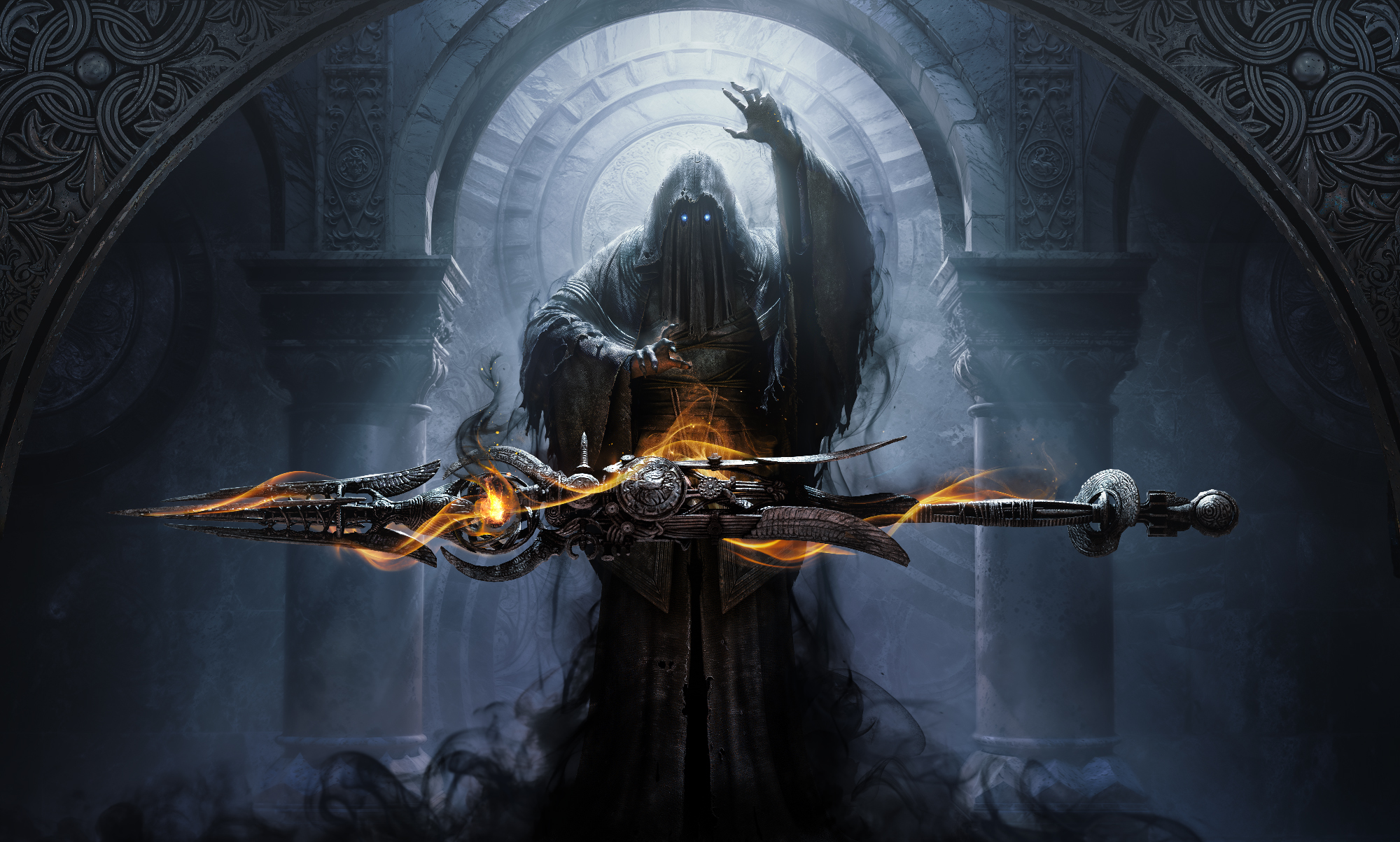
Itemization is also seeing a massive injection of variety. Beyond new base types and approximately 40 new unique items, over 70 existing unique items have been overhauled to better fit the power scaling of the sequel. These changes are designed to make the item hunt more rewarding during the campaign phase, where unique items previously often felt overshadowed by rares. The introduction of powerful base types—such as armor pieces that grant total curse immunity—is expected to open up new defensive layers for character customization.
Geopolitical Warfare: The Faction System
Upon reaching the endgame, players will engage in a faction-based conflict involving the Karui, Ezomyte, and Marraketh. By aligning with one of these three factions, players can vie for control of castles located throughout the Atlas. Controlling these territories provides significant mechanical advantages, including the ability to bypass specific map routes and increased item rarity drops.
These controlled territories also unlock "hunting grounds," which serve as high-density zones for rare monster encounters. To support this, a new crafting system will be introduced, allowing players to utilize currency earned in battle to manipulate gear mods. This system includes the ability to remove specific mods and reroll them into new, fractured variants, providing a deeper layer of deterministic crafting for high-end gear.
Context and Industry Implications
The transition to a full 1.0 release is the culmination of years of iterative development. When Grinding Gear Games first announced Path of Exile 2, the project was intended as an expansion to the original game. However, the scope of the project grew to such an extent that it became a standalone title. This shift necessitated a long-term early access phase, which has allowed the studio to stress-test their engine, balancing the game against a player base that is notoriously analytical regarding the game’s complex math and economy.
Industry analysts observe that the December 11 release date is a strategic move, positioning the game for the holiday season when player retention is historically high. By delivering a complete, finished campaign alongside a substantial endgame, GGG is directly challenging its competitors in the ARPG market, specifically those that have struggled to maintain player interest after the initial launch period.
Fact-Based Analysis
The move to streamline the Atlas and passive tree suggests a shift in the studio’s design philosophy: moving away from "infinite grind" toward "meaningful progression." By reducing the node count on the Atlas tree, the developers are signaling a desire to make the endgame more accessible to players who may have been intimidated by the sheer volume of choices in the original title.
However, the introduction of a base-building and territory-control system introduces new complexity. The success of the 1.0 launch will likely hinge on whether these systems provide genuine value or if they become "chore" mechanics that distract from the core loop of monster slaying and looting. Given the historical success of GGG’s league mechanics, there is a high degree of confidence that these systems will be robust, but their impact on the game’s economy—specifically the gold-to-progress conversion—will be a key metric for the community in the weeks following December 11.
As the release date approaches, the gaming community remains highly expectant. With thousands of hours of potential gameplay and a complete overhaul of the systems that defined the first decade of the franchise, Path of Exile 2 is set to be one of the most significant releases in the history of the Action RPG genre. Whether it can maintain its momentum will depend on the stability of the servers on launch day and the immediate player reception to the new, condensed endgame loop.